


Best Leather Sports Shoes: Comfort & Durability Guide
This guide is specifically tailored for the Indian landscape—where heat, high-mileage commuting, and diverse terrains demand more from your footwear. Investing in leather sports shoes in India isn't just about the aesthetic; it’s a strategic choice for foot health and long-term value.
Choosing the Best Leather Sports Shoes
Staring at a ₹5,000 synthetic shoe and a ₹10,000 leather shoe on the shelf, it’s natural to wonder where that extra money goes. In India’s climate, the truth emerges around the six-month mark. Budget-friendly synthetics often crack under the intense summer heat or separate during the monsoon. Choosing premium materials is a fundamental investment in longevity.
For many in India, the decision is deeply tied to joint loading and daily pain. When evaluating leather sports shoes through an orthopedic lens, the priority is reducing stress on the heel, arch, and lower back during long commutes. For those seeking specialized support, exploring a dedicated collection of mens orthopedic shoes can provide much-needed relief.
Orthopedic Lens: What “Support” Means
In the Indian market, "support" is often a vague marketing term. For true orthopedic benefit, look for these clinically relevant elements:
-
Stable Heel Counter: A firm rear cup that prevents the heel from collapsing.
-
Torsional Rigidity: The shoe should resist twisting, which is crucial for those with flat feet.
-
Removable Insole: Essential if you use custom orthotics or plantar fasciitis shoes.
-
Toe-Box Volume: Vital for avoiding compression of the toes, especially in humid conditions where feet tend to swell.
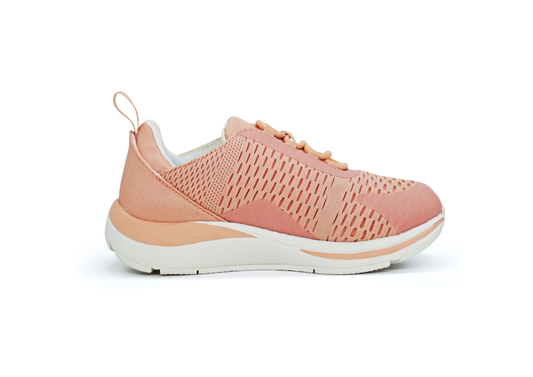
For a perfect example of this design, the Aaron comfort orthopedic shoes for men offer a sophisticated leather finish with athletic-grade support.
Full-Grain vs. Synthetic: The Longevity Comparison
Think of leather like wood. Just as solid teak outlasts plywood, the grade of leather dictates the lifespan of your shoe.
| Leather Type | Quality Level | Best Use Case in India |
| Full-grain | Premium | Best for maximum breathability in hot climates. |
| Top-grain | High Quality | Excellent for daily office-to-gym transitions. |
| Genuine Leather | Low Quality | Often cracks quickly under repetitive bending. |
Winning the Break-In Battle
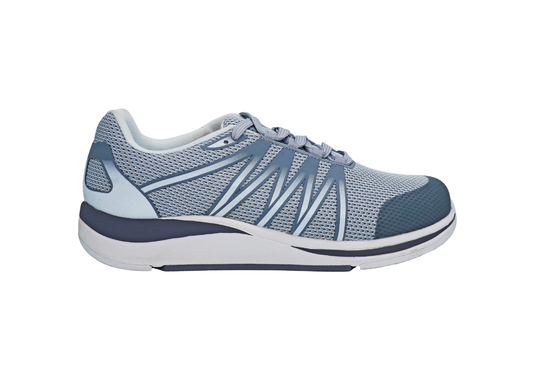
That initial stiffness is a feature, not a flaw. Genuine leather has a "memory" that molds to your unique foot shape. For those requiring extra stability during morning walks on uneven pavement, the stable mens orthopedic walking shoes are engineered to assist with gait alignment and diabetic comfort.
Texture and Grip: Choosing the Right Finish
While suede looks premium, traditional smooth finishes are the undisputed champions for the dusty conditions often found in Indian cities. They are easier to wipe clean and more resistant to scuffs.
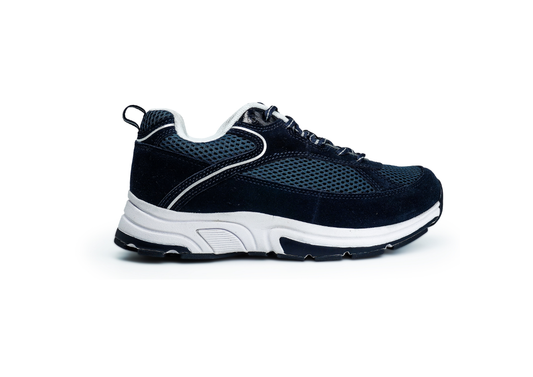
If you need a reliable, all-black option for versatile daily wear, consider the Victor mens orthopedic footwear or the Prince mens orthopedic footwear. Both models prioritize a stable platform and a professional aesthetic suitable for the Indian workplace.
Final Check: Your 6-Step Buying Blueprint
Before you head to the register, use this quick checklist:
-
Fit Timing: Shop in the late afternoon when your feet are at their largest.
-
Toe-Box Check: Ensure toes can splay naturally without pinching.
-
Heel Stability: Squeeze the heel; it should be firm, not flimsy.
-
Midfoot Control: The shoe should not twist easily like a dishcloth.
-
Flex Test: It should bend at the ball of the foot, not the arch.
-
Orthotic Compatibility: If you use inserts, ensure the shoe has the depth to accommodate them.
Whether you choose the Player mens orthopedic walking shoes for high-activity days or a comfortable leather sandal for maximum airflow, prioritizing structure is what turns a purchase into a long-term investment in your mobility.
