


-
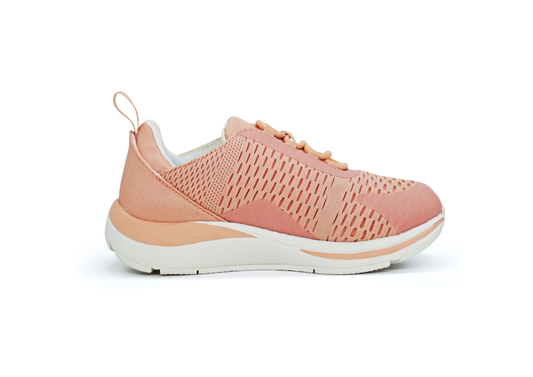
SPRINTER Orthopedic Athletic Shoe Rose - Womens - Rose Combo
Discover the effortless comfort of the Sprinter Women’s Lace-Up Sneaker by Drew, crafted to provide superior cushioning, stability, and all-day relief. Designed with advanced comfort technology and a flexible, foot-friendly fit, this sneaker is perfect for women who want both protection and style in...- ₹ 11,995
₹ 17,995- ₹ 11,995
- Unit price
- per
-
Rose Combo
-
Grey Mesh Combo
-
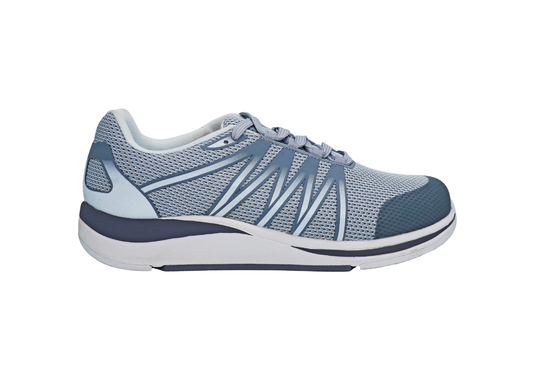
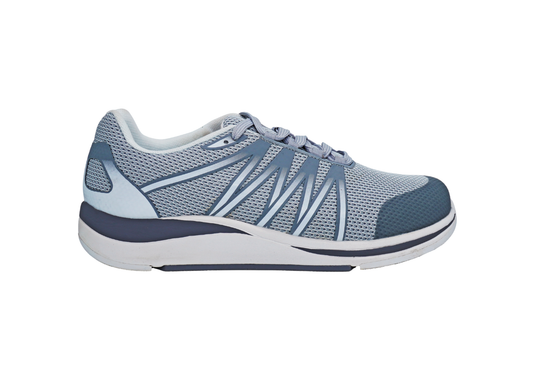
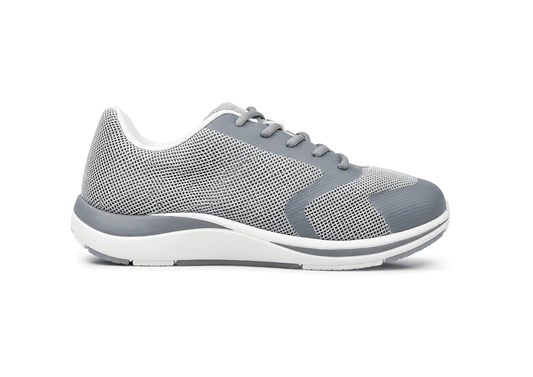
BALANCE Running Shoes - Womens - Grey Mesh
The Balance women’s athletic shoe combines all-day comfort, stability, and protection. Featuring Walk Right Technology™ and a high-rebound EVA midsole, it absorbs shock and reduces foot and leg fatigue. The Plus Fitting System with two removable footbeds allows added or double depth, perfect for...- ₹ 10,895
₹ 16,995- ₹ 10,895
- Unit price
- per
-
Grey Mesh
-
PLAYER Orthopedic Athletic Shoes - Mens - Grey Mesh
Experience dependable comfort with the Drew® Player Men’s Orthopedic Walking Shoe, crafted for superior support and all-day ease. Available exclusively at Diabetic Shoe India, the Player features advanced Walk Right Technology™ to promote a smooth, stable stride. Its high-rebound EVA midsole delivers excellent shock...- ₹ 10,995
₹ 16,995- ₹ 10,995
- Unit price
- per
-
Grey Mesh
-
STABLE Orthopedic Walking Shoes - Mens - Grey Mesh
Step into comfort and stability with STABLE Orthopedic Walking Shoes for men. Designed with Walk Right Technology™, these shoes provide a smooth, supported stride, perfect for diabetic, sensitive, or orthopedic feet. The high-rebound EVA midsole absorbs shock to reduce foot and leg fatigue, while...- ₹ 10,995
₹ 16,995- ₹ 10,995
- Unit price
- per
-
Grey Mesh
-
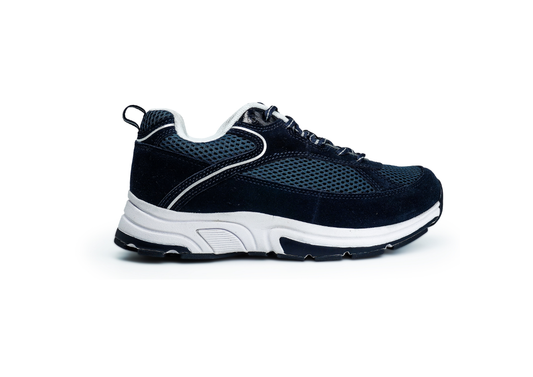
AARON Orthopedic Athletic Shoes - Mens - Navy Suede/Mesh
Step confidently with the Drew Aaron, crafted exclusively for those who value comfort, support, and foot health. Its Plus Fitting System® with two removable insoles ensures a personalized fit, while the shock-absorbing midsole, firm heel counter, flared outsole, and Drilex® lining keep your feet...- ₹ 11,995
₹ 18,995- ₹ 11,995
- Unit price
- per
-
Navy Suede/Mesh
-
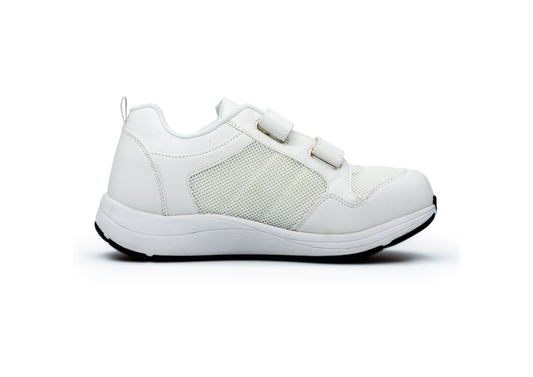
CONTEST Orthopedic Sneaker- Mens - White Combo
Say hello to comfort designed just for you with the Drew® Contest Men’s Orthopedic Walking Shoe. Built for effortless support, this easy-to-adjust double strap sneaker delivers a secure fit and all-day comfort. Available exclusively at Diabetic Shoe India, the Contest combines high-rebound cushioning with...- ₹ 10,995
₹ 16,995- ₹ 10,995
- Unit price
- per
-
White Combo
-
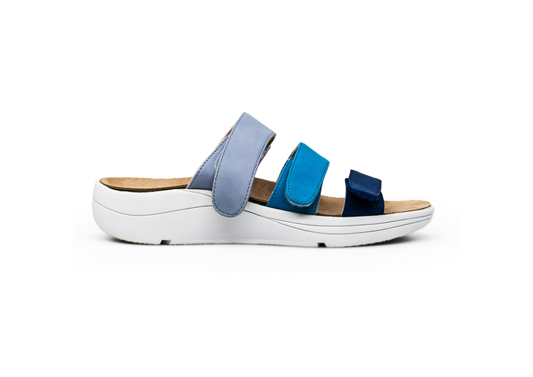
SAWYER Orthopedic Sandal - Womens - Blue Combo
Enjoy effortless style and comfort with the Drew® Sawyer Women’s Orthopedic Sandal, created for women who want support without giving up elegance. Available at orthoshoes.in, the Sawyer features the rare convenience of a removable Walk Right Technology™ footbed, allowing you to enjoy incredible cushioning...- ₹ 8,995
₹ 13,995- ₹ 8,995
- Unit price
- per
-
Blue Combo
-
Natural Combo
-
CHIPPY Orthopedic Athletic Shoes - Womens - Grey Combo
Experience all-day ease with the Chippy, a casual walking shoe designed to give you soft cushioning, steady support, and a customizable fit. Its double-depth construction with two removable insoles makes it easy to adjust the comfort level or use prescribed orthotics whenever needed. A...- ₹ 11,995
- ₹ 11,995
- Unit price
- per
-
Grey Combo
-
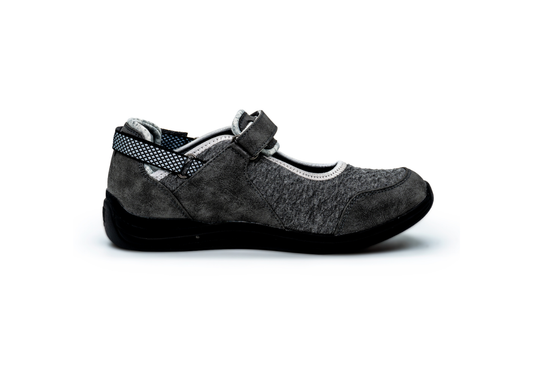
BUTTERCUP Orthopedic Sandal - Women - Grey Combo
The Buttercup is a women’s orthopedic shoe that combines elegance with all-day comfort. Its soft, stretchy upper and adjustable hook-and-loop straps—including a detachable extender—ensure a perfect, customizable fit, while the heel strap reduces slippage for added stability. With double depth and two removable insoles,...- ₹ 11,995
₹ 17,995- ₹ 11,995
- Unit price
- per
-
Grey Combo
-
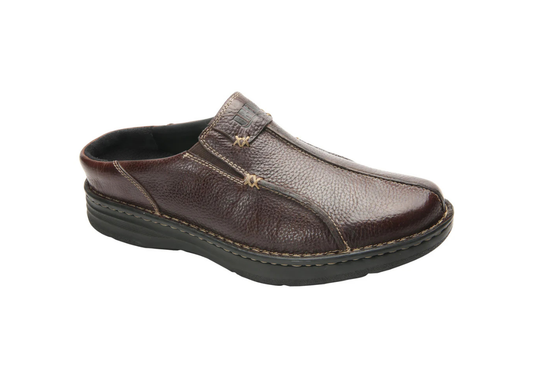
JACKSON Orthopedic Sandal - Mens - Brown Pebbled Leather
Walk on clouds with Drew® Jackson Clogs. Premium tumbled leather meets orthopedic support, giving diabetic and sensitive feet all-day comfort. With a lightweight rocker-bottom sole and Plus Fitting System® featuring two removable footbeds, these clogs adapt perfectly to custom orthotics. Stylish, durable, and FDA...- ₹ 10,595
₹ 17,995- ₹ 10,595
- Unit price
- per
-
Brown Pebbled Leather
-
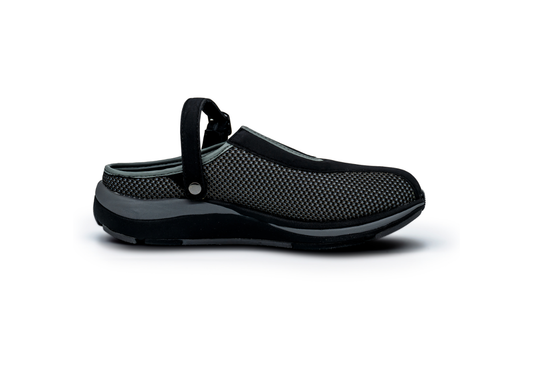
PURSUIT Slip-On Sneaker - Womens - Black Mesh Combo
Step into all-day comfort and support with the Pursuit Women’s Slip-On Sneaker, designed specifically for women seeking reliable diabetic and orthopedic footwear. Lightweight and easy to wear, this sneaker slips on effortlessly and can be worn with or without the ankle strap, offering versatile...- ₹ 8,995
₹ 13,995- ₹ 8,995
- Unit price
- per
-
Black Mesh Combo
-
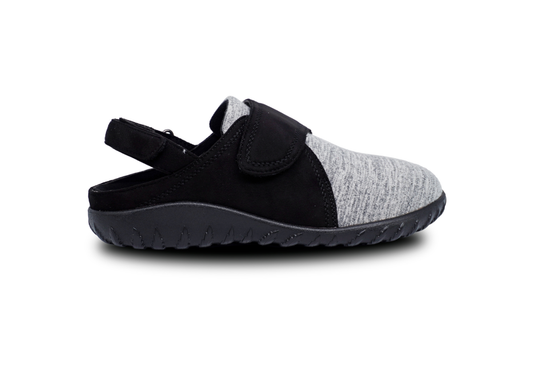
BREEZY Slipper Footwear - Womens - Black Microsuede/Stretch
Take every step with confidence and ease with the Breezy Women’s Slip-On, designed to deliver maximum comfort and stability for women on the go. This versatile slip-on features adjustable hook-and-loop closures at the heel and vamp for a personalized fit, while the stretch fabric...- ₹ 8,995
₹ 13,995- ₹ 8,995
- Unit price
- per
-
Black Microsuede/Stretch
-
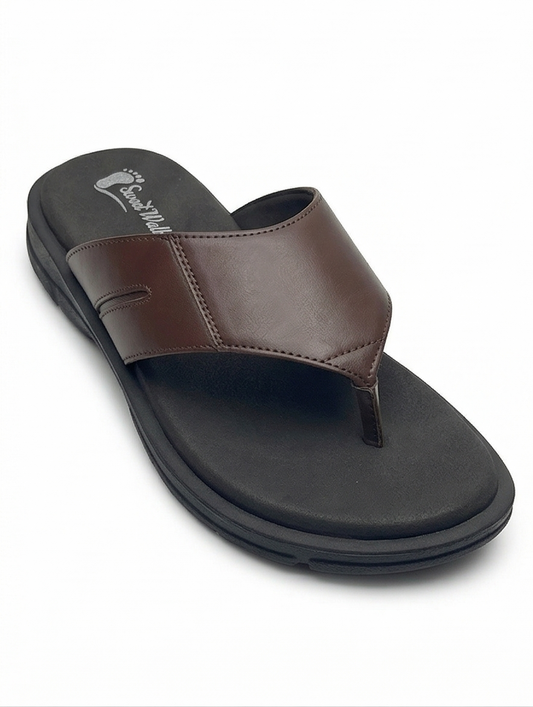
SWEET WALKER FOOTWEAR RAYMOND-MENS - Black
The RAYMOND are designed to deliver reliable comfort and protection for men with diabetic and sensitive feet. The premium double-layer microcellular polymer footbed distributes pressure evenly to reduce heel pain and foot fatigue, while the soft lining minimizes irritation for conditions such as neuropathy,...- ₹ 980
- ₹ 980
- Unit price
- per
-
Black
-
Brown
-
ARSHIYA FOOTWEAR ROMAN-MENS - Black
The ROMAN are designed to provide reliable comfort, protection, and stability for men with diabetic and sensitive feet. The premium double-layer micro cellular polymer footbed helps distribute pressure evenly, reducing heel strain and foot fatigue during daily use. The adjustable upper strap allows a...- ₹ 1,120
- ₹ 1,120
- Unit price
- per
-
Black
-
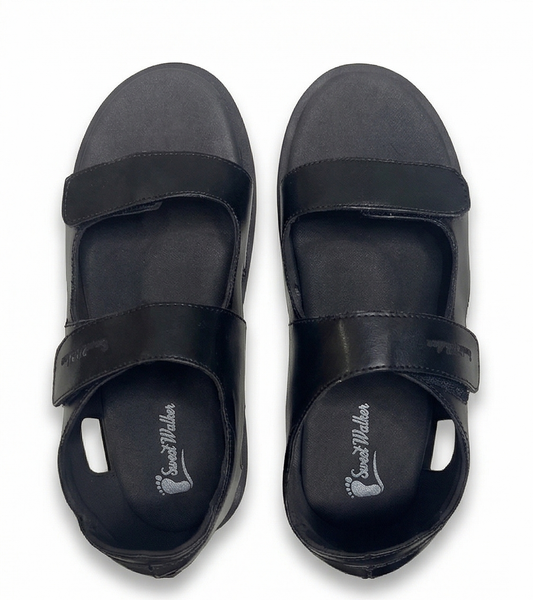
SWEET WALKER FOOTWEAR ROGER-MENS - Black
The ROGER is designed to deliver dependable comfort, protection, and stability for men with diabetic and sensitive feet. The premium double-layer micro cellular polymer footbed helps distribute pressure evenly, reducing heel strain and minimizing fatigue during prolonged wear. Adjustable hook-and-loop straps provide a secure,...- ₹ 1,400
- ₹ 1,400
- Unit price
- per
-
Black
-
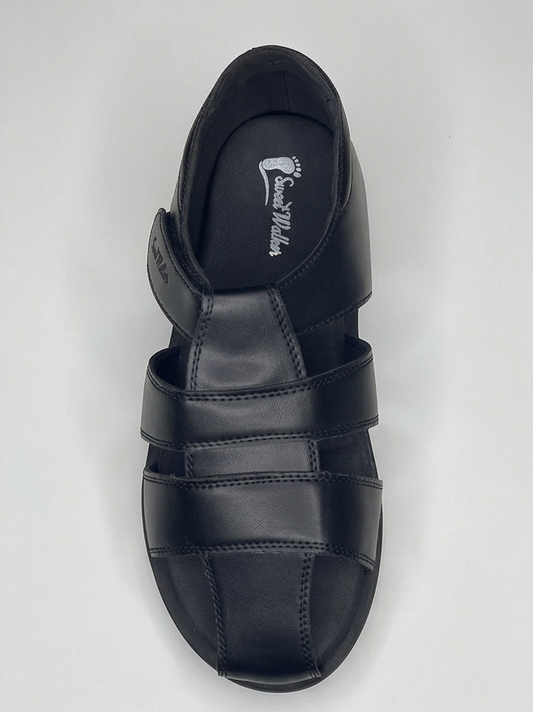
SWEET WALKER FOOTWEAR REMY-MENS - Black
The REMY are designed to provide dependable comfort and protection for men with diabetic and sensitive feet. The premium double-layer micro cellular polymer footbed helps distribute pressure evenly, reducing heel strain and foot fatigue during extended wear. Multiple supportive straps provide a secure and...- ₹ 1,400
- ₹ 1,400
- Unit price
- per
-
Black
-
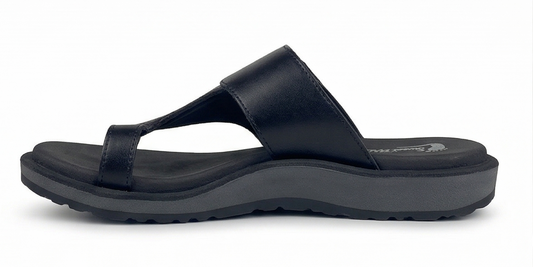
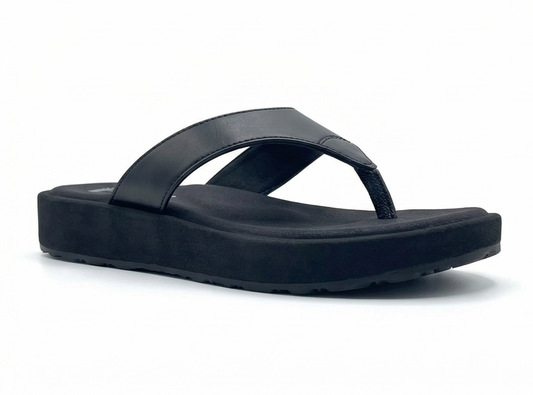
SWEET WALKER FOOTWEAR ROSE-WOMENS - Black
The ROSE are thoughtfully designed to provide comfort and protection for women with diabetic and sensitive feet. The premium double-layer micro cellular polymer footbed distributes pressure evenly, helping reduce heel strain and foot fatigue during daily use. The smooth upper and soft interior lining...- ₹ 840
- ₹ 840
- Unit price
- per
-
Black
-
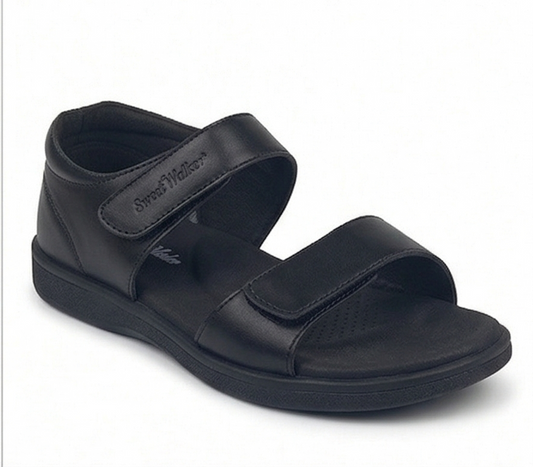
SWEET WALKER FOOTWEAR REBECCA-WOMENS - Black
The REBECCA are thoughtfully designed for women seeking dependable comfort and protective support. Crafted with a premium double-layer micro cellular polymer footbed, they help distribute body weight evenly, reducing pressure on the heels and forefoot. The dual adjustable straps provide a customized fit, improving...- ₹ 1,190
- ₹ 1,190
- Unit price
- per
-
Black
-
SWEET WALKER FOOTWEAR RIA-WOMENS - Black
The RIA is designed to deliver reliable comfort and protection for women with diabetic and sensitive feet. The premium double-layer micro cellular polymer footbed distributes pressure evenly, helping reduce heel strain and foot fatigue during daily wear. Adjustable straps allow a customized and secure...- ₹ 1,050
- ₹ 1,050
- Unit price
- per
-
Black
-
Brown









SUBSCRIBE TO OUR NEWSLETTER
Get the latest updates on new products and upcoming sales