Frequently Asked Question

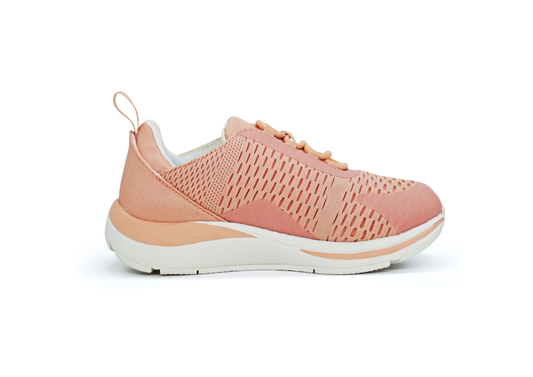
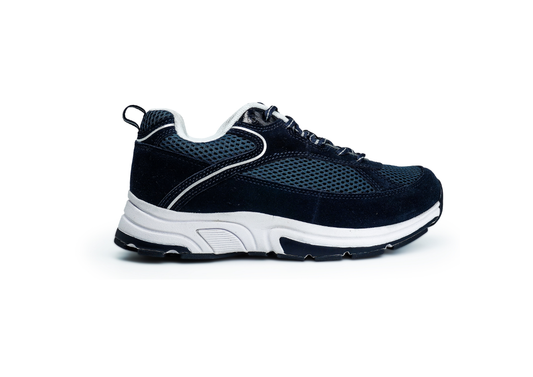
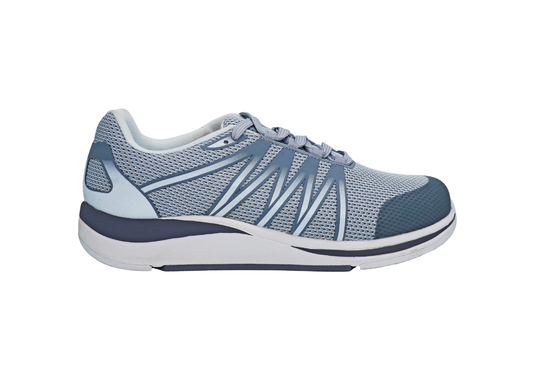
Yes — diabetic shoes can be stylish while providing medical-grade comfort. Modern designs combine orthopedic support with trendy looks, so you can protect your feet without compromising on style. At Ortho Shoes, diabetic footwear is crafted to look like everyday sneakers, slip-ons, and casual shoes while delivering the protection required for sensitive and diabetic feet.
Yes — orthopedic shoes are designed for all-day, everyday use. Modern styles look like regular footwear, making them suitable for work, travel, social outings, and daily activities while providing essential foot support. At Ortho Shoes, orthopedic shoes combine comfort, stability, and modern styling so you can wear them confidently wherever you go.
Orthopedic shoes provide superior support, cushioning, and pressure relief compared to normal shoes. They help reduce foot pain, improve posture, and protect sensitive feet, while regular shoes mainly focus on appearance and basic comfort.
Yes — quality orthopedic shoes are worth every rupee when it comes to comfort, pain relief, and long-term foot health. They are designed to support your feet properly, reduce strain, and help you stay active without discomfort.

Diabetic shoes, also known as therapeutic shoes, are designed to provide comfort, support, and protection for people with diabetes.

  • Diabetic shoes are designed to provide comfort, support, and protection for people with diabetes.
  • Special shoes are needed if a person has diabetic neuropathy to limit foot injuries caused by loss of pain sensation.
  • Uncontrolled blood sugar can lead to neuropathy and peripheral arterial disease (PAD), increasing the risk of foot problems.
  • Managing blood sugar levels through diet may help reduce the risk of neuropathy and PAD.
  • Diabetic shoes decrease the chances of foot sores, infections, gangrene, and even amputation.
  • Orthopedic shoes provide support and comfort to the feet, ankles, and legs, helping prevent foot problems.
  • Orthopedic shoes may be a good option for people with diabetes who are at risk of developing foot complications.

Orthopedic shoes provide support through a variety of features designed to improve foot and lower limb alignment and function. These may include:

  • Arch support: Contoured footbeds help maintain the foot’s natural arch and prevent overpronation or supination.
  • Deep heel cups: Stabilize the heel and ankle, reducing excessive motion.
  • Firm midsoles: Provide stability and better control of foot movement.
  • Custom orthotics: Can be added for personalized support and correction of specific foot problems.
  • Wider toe box: Accommodates foot deformities and allows toes to move freely.
  • Rocker soles: Help reduce stress on the foot during walking.
Yes — modern diabetic shoes look just as good as regular footwear. Today’s designs focus on both medical comfort and modern style, so you can protect your feet without sacrificing appearance. Modern diabetic footwear is now available in sleek, stylish options that resemble everyday shoes, helping reduce the “medical look” once associated with therapeutic footwear.
Yes — modern orthopedic shoes look stylish and feel comfortable at the same time. Today’s designs focus on sleek styling, modern colors, and everyday wearability, eliminating the bulky “medical shoe” appearance. At Ortho Shoes, orthopedic footwear is designed to resemble regular sneakers, casual shoes, and slip-ons while providing superior support and comfort.
An orthopedic or orthotic-friendly shoe will improve your walking when it is designed to support proper alignment, reduce pressure, and provide stability not just softness. The right features help your feet move naturally and make walking more comfortable throughout the day. Key features that improve walking Arch support helps maintain correct foot posture and alignment Shock-absorbing cushioning reduces impact on knees, hips, and back Firm heel support improves balance and walking stability Wide toe box prevents pressure and allows natural toe movement Lightweight, flexible sole promotes smooth and natural steps Slip-resistant outsole provides better grip and safety Seamless interior lining prevents irritation and friction How these features benefit your walk reduces foot, heel, knee, and back strain improves posture and overall balance distributes body weight evenly to avoid pressure points reduces fatigue during long hours of walking or standing provides smoother, more stable movement Shoes with these support features are designed to enhance walking comfort, stability, and long-term foot health.Supportive footwear from Ortho Shoes is built to promote natural movement and all-day comfort.
We understand that comfort claims can sound similar across brands which is why our shoes are designed with medically informed features and real user needs in mind. Each pair is built using soft, stretchable uppers, pressure-reducing cushioning, and a seam-free interior to minimize friction and prevent irritation. The ergonomic sole supports natural foot movement, while the extra-depth design allows proper toe space and improved circulation essential for sensitive or diabetic feet.Comfort isn’t just a claim it’s something you feel from the very first step. Customers often notice reduced pressure points, improved stability, and the ability to walk longer without discomfort. For added confidence, we encourage you to try them and experience the difference yourself. Your comfort, safety, and daily mobility are our top priorities.
Yes, the shoes are thoughtfully designed to feel light and comfortable throughout the day. They are made using lightweight materials and a flexible sole that helps reduce strain on the feet, allowing you to move with ease and without a heavy or bulky feel. Even with their light construction, the shoes provide excellent cushioning and stability. The balanced design helps distribute weight evenly, which reduces foot fatigue and supports smoother, more natural movement. Many users notice an immediate difference: the shoes feel easy to wear, less tiring during long hours of use, and supportive without adding extra weight.This lightweight comfort helps you stay active, confident, and comfortable every step of the way.
Yes, the shoes are designed to feel soft and gentle from the moment you put them on. A smooth inner lining and seam-free construction help reduce friction and prevent irritation, making them ideal for sensitive feet. The cushioned footbed absorbs impact and relieves pressure, while the flexible materials adapt to your foot’s natural shape for a relaxed fit.Most users notice instant comfort, a soothing, supportive feel that remains comfortable even during long hours of wear.
Yes, the shoes are designed to promote airflow and keep your feet cool throughout the day. The breathable upper allows air to circulate, helping to reduce heat and moisture buildup inside the shoe. This keeps your feet feeling fresh and dry, even during extended wear, and supports better foot hygiene especially important for sensitive or diabetic feet.Most wearers notice improved freshness and comfort, making daily movement more pleasant and worry-free.
Yes, the shoes are designed with soft cushioning that gives a light, spongy feel underfoot. The sole helps absorb shock and ease pressure on sensitive areas, making each step more comfortable.
Absolutely. The shoes are crafted to deliver lasting comfort throughout the day. Soft cushioning and a smooth interior help minimize pressure and friction, while the flexible, supportive sole encourages natural movement. The roomy design allows your feet to rest comfortably without feeling tight, making them suitable for long hours of wear. Many users experience instant comfort and easier, more relaxed walking from the very first use.
No. The shoes are designed with ample toe space so your toes can sit naturally without feeling cramped. This helps reduce pressure and rubbing while supporting healthy circulation and easy movement. Many wearers notice greater comfort and flexibility compared to tight or narrow shoes.
Orthopedic shoes support the natural shape and alignment of your feet, helping improve comfort and overall foot health. They provide proper arch support, cushioning, and shock absorption to reduce pressure and strain during daily movement. Their design promotes even weight distribution, better circulation, and reduced friction — helping prevent irritation, fatigue, and common foot problems while making walking safer and more comfortable.
Yes, the shoes are built for long-lasting use. High-quality materials, sturdy stitching, and reinforced soles help them withstand daily wear while maintaining comfort and support. With proper care, they remain reliable and retain their shape over time, making them a dependable choice for everyday use.
Orthopedic shoes are designed to enhance stability and maintain proper alignment from the feet through the ankles and legs, making daily movement safer and more comfortable. They provide support through: Proper arch support to keep the foot aligned naturally A sturdy sole to improve balance and distribute weight evenly Strong heel support to stabilize the ankle and control motion Impact-absorbing cushioning to ease stress on knees and joints Balanced pressure distribution to reduce strain and fatigue Together, these features promote better posture, smoother walking, and reduced stress on the lower body.
Yes, the shoes are created to look as good as they feel. Their streamlined shape and neat finish give them a smart, contemporary appearance that works well for daily wear. What makes them visually appealing: Simple, elegant design that never looks bulky Neat finishing for a polished overall look Everyday versatility suitable for casual and routine use Comfort-focused design that still appears stylish They offer a balanced blend of support and style, so you can wear them confidently anywhere.
No, modern orthopedic shoes are designed to look like regular footwear rather than traditional medical shoes. They combine essential support features with contemporary styling, making them appropriate for everyday wear. Here’s what you can expect: Modern, casual designs that resemble everyday shoes Sleek and streamlined shapes instead of a bulky appearance Neutral colors and clean finishes that pair easily with outfits Discreet built-in support that provides comfort without being noticeable This thoughtful design allows you to benefit from orthopedic support while maintaining a natural, stylish look.
Yes, the shoes are designed to look stylish while providing the support your feet need. Their clean shape and neat finish give them a modern, well-balanced appearance suitable for everyday wear. Why they look appealing: Simple, contemporary design that doesn’t appear bulky Neat detailing and clean finish for a polished look Versatile style that pairs easily with daily outfits Comfort-focused structure that still looks sleek You can enjoy supportive comfort without compromising on appearance.
Orthopedic shoes do an excellent job of protecting and supporting your feet but they work best when paired with healthy movement. While the shoes reduce pressure, improve alignment, and protect sensitive areas during daily activities, your feet still need gentle exercise to stay strong and flexible.Think of orthopedic shoes as daily protection, and foot exercises as maintenance for long-term health. Regular foot movement helps to: Strengthen muscles for better balance and stability Improve flexibility for natural, pain-free movement Boost circulation to support healthy tissues Reduce stiffness and fatigue from long hours of sitting or standing Prevent future discomfort and support long-term mobility By combining supportive footwear with simple foot exercises, you give your feet the protection they need today and the strength they need for tomorrow.
Choosing the right orthopedic shoes is essential for proper support, pain relief, and long-term foot health. The ideal pair should match your specific needs while providing comfort and stability. Different conditions require specific features such as extra depth and seamless interiors for diabetes, strong arch support for plantar fasciitis, or a wide toe box for bunions to reduce pressure. Our orthopedic shoes are thoughtfully designed to address these needs, helping you find the right balance of protection and comfort. A proper fit is equally important. Look for adequate toe space, a secure heel fit, and shock-absorbing soles to prevent pressure points and enhance daily comfort.
No, the shoes are designed to provide a secure grip and stable footing. The slip-resistant outsole improves traction on different surfaces, helping reduce the risk of slipping.Their balanced, supportive design also enhances stability, allowing you to walk with confidence throughout the day.
Orthotics provide support and alignment, but the shoes you wear are equally important. They work best inside supportive footwear that offers proper depth, stability, cushioning, and a secure fit. Poorly structured or tight shoes can reduce orthotic effectiveness and cause discomfort. Choosing well-designed orthopedic shoes — like ours — helps your orthotics perform properly while improving daily comfort.Focusing on support and fit rather than price ensures better protection and long-term foot health.
Yes. Orthotic-friendly shoes are designed with extra depth and removable insoles so inserts fit comfortably without making the shoe tight. Styles with wide sizing, firm heel support, and adjustable closures help ensure a secure, stable fit. Our orthopedic shoes are built to accommodate orthotics while maintaining comfort, balance, and a natural walking feel, allowing your inserts to work effectively throughout the day.
The shoes are designed to promote healthy circulation by easing pressure and allowing the feet to move naturally. The roomy toe space reduces tightness, while soft, flexible materials help prevent restriction of blood flow. The cushioned sole spreads weight evenly, helping keep your feet comfortable and supporting better circulation throughout the day.
Orthotic inserts provide targeted support, alignment, and pressure relief, but they do not replace the structure and stability of a well-designed shoe. They are meant to enhance support, not substitute the cushioning, fit, and stability that supportive footwear provides. Supportive shoes are important because they: Keep the foot stable and properly aligned Provide cushioning and shock absorption Offer sufficient depth for correct orthotic placement Improve overall comfort and fit Prevent pressure points and discomfort Rather than focusing on price alone, choose well-constructed, supportive footwear. Our orthopedic and athletic-style shoes are designed to work with orthotic inserts, helping maximize comfort, stability, and long-term foot health.
Orthotic insoles should improve comfort and support not make your shoes feel tight or cause side-foot pain. If they create pressure or discomfort, the fit may be incorrect, the shoe may be too narrow, or the orthotic may not suit your foot shape. A properly fitted orthotic in the right footwear should feel supportive and comfortable, not restrictive.
Shoes themselves do not provide a true acupuncture effect. Acupuncture involves inserting fine needles at specific pressure points to stimulate nerves and improve circulation.Some footwear and insoles include textured or raised footbeds designed to apply gentle pressure to certain areas of the foot. This is often called acupressure or reflexology stimulation, which may promote relaxation, improve comfort, and enhance circulation. However, it is not the same as medical acupuncture.If the shoe feels comfortable and supportive, this pressure can be beneficial but it should never cause pain or discomfort.
Yes, our shoes are designed with built-in arch support to promote proper foot alignment and all-day comfort. They help to: Distribute body weight evenly Reduce foot fatigue and strain Improve stability and balance Support conditions like flat feet and plantar fasciitis The arch support feels firm yet comfortable, providing support without pressure or discomfort.
Yes, our shoes are designed to provide a secure, snug fit that keeps your feet comfortably supported throughout the day. Adjustable closures allow a personalized fit, while soft, stretchable uppers adapt to your foot shape. Firm heel support helps prevent slipping, and the roomy toe area reduces pressure, ensuring stability and comfort without feeling tight or restrictive.
Choosing the right arch support is essential for keeping your feet comfortable, stable, and properly aligned throughout the day. Proper support reduces strain, improves balance, and helps prevent foot fatigue during walking or long hours of standing. Our shoes are designed with built-in arch support to provide the stability and comfort your feet need every day. When selecting the right arch support, look for: • Your arch type compatibility low, neutral, or high arches need the right level of support. • Firm midfoot support to prevent arch collapse while walking. • Even weight distribution to reduce pressure on the heel and forefoot. • Balanced cushioning that feels supportive, not overly soft or too rigid. • Natural comfort from the first step, without pressure points or strain. With the right arch support and the supportive design of our shoes, you can walk with better comfort, improved stability, and reduced fatigue throughout the day.
Orthopedic shoes are designed to support foot health, improve balance, and reduce discomfort while walking. Since they are built with enhanced support and stability features, they may feel slightly different compared to regular shoes at first. Here’s what some users may experience: • Initial adjustment period as the feet adapt to proper alignment and structured support • Firmer, more supportive feel compared to soft or flat footwear • Sturdier construction due to added cushioning and stability features • Difference in quality low-quality orthopedic shoes may feel bulky or stiff Choosing well-designed orthopedic footwear — like our shoes — helps minimize these concerns by offering lightweight comfort, flexibility, and modern styling along with the support your feet need for healthier, more confident walking.
Orthopedic shoes are designed to alleviate foot problems by limiting inadequacies and providing customized support through features like removable insoles and extra width. They are made specifically to fit your feet, offering superior support compared to regular shoes, and can include orthotics to correct foot positioning and reduce fatigue. These shoes aim to be medically beneficial, ensuring comfort and preventing soreness even with extended wear. Key points Orthopedic shoes are designed to limit foot inadequacies, reducing harm. They require a biomechanical assessment to identify pathological issues. Features include removable insoles for customized cushioning and arch support. Extra widths accommodate wider feet, enhancing comfort. Stretchable uppers accommodate forefoot problems like hammertoe and bunions. Custom-made orthopedic shoes provide strategic protection and support for feet and legs. Orthotics correct foot position upon impact, reducing foot fatigue. Medically healthy orthopedic shoes, like those with wooden soles and leather uppers, prevent soreness and tiredness.
Orthopedic shoes are specially designed to provide proper support, alignment, and pressure relief for healthier walking. While normal shoes may feel comfortable for short-term use, they often lack the structured arch support and stability needed for extended wear or ongoing foot concerns. This can lead to fatigue, discomfort, or increased pressure on sensitive areas over time. Orthopedic shoes — like ours — deliver consistent support, enhanced comfort, and better protection, making them a dependable choice for everyday use and long-term foot health.
Ones that feel comfortable and have enough arch support that your feet don't hurt at the end on the day. No pointy toe shoes regularly for women :( they do cause bunions.
One perspective suggests that going barefoot can improve ankle stability by allowing the foot's muscles to function naturally, while another opinion asserts that orthopedic shoes, which primarily offer arch support, do not effectively stabilize the ankle. Instead, ankle braces and strengthening exercises are recommended to improve ankle instability, with proper care also extended to the non-injured ankle to maintain balance. Key points Barefoot activity can strengthen foot and leg muscles, potentially improving ankle stability. Orthopedic shoes mainly provide arch support and do not directly address ankle instability. Ankle braces are considered more effective for stabilizing the ankle than orthopedic shoes. Strengthening the muscles surrounding the ankle is crucial for preventing flare-ups. Cryotherapy (ice) can help reduce pain and swelling associated with ankle issues. Physical rehabilitation should be gradually implemented after pain reduction. The non-injured ankle should receive equal care to balance the load and prevent further issues.
The best orthopedic shoes for flat feet should offer stable support, structured arch support, motion control, and a roomy toe box, with specific models like ______series recommended for daily wear and walking due to their dual-density midsoles and firm medial posts, while understanding that arch supports primarily alleviate discomfort rather than reversing pes planus, and surgery is generally not a first-line treatment. Key points Hyperpronation shoes can be difficult to find in the Indian market. Using thick-soled footwear can weaken foot muscles, necessitating regular exercises. Arch supports alleviate discomfort but do not reverse pes planus. Surgery is not an early solution for flat feet but can help in specific cases. Flat feet often involve a collapsed medial arch and overpronation. Shoes for flat feet require stable support, structured arch support, motion control, and a roomy toe box. _________ (stability versions) are recommended for daily wear/walking due to their stability and cushioning.
You can purchase high-quality orthopedic shoes in India directly from our website, Orthoshoes. Our footwear is specially designed to provide proper arch support, pressure relief, and stability to promote healthier and more comfortable walking. Each pair is crafted with supportive cushioning, balanced weight distribution, and a comfortable fit to help reduce foot strain during daily activities. Shopping from our website ensures you receive reliable quality, medically inspired design, and footwear created specifically to support long-term foot comfort. For dependable support, durability, and all-day comfort, our website offers a trusted and convenient solution for finding the right orthopedic shoes for your needs.
Bonafide orthopedic shoes can be found on our official website, where each pair is designed to support foot health and improve walking comfort. Our footwear features structured arch support, cushioned soles, and pressure-relief design to help maintain proper alignment and reduce daily strain. Ordering from our website ensures you receive genuine orthopedic shoes built for reliable support, lasting comfort, and everyday ease.
Yes, certain orthopedic and stability shoes are designed to help prevent slips, trips, and falls by improving balance and providing better ground grip. Well-designed orthopedic shoes — like ours — provide stability, traction, and confident footing, helping you walk safely and comfortably every day. Features that help prevent falls include: • Anti-slip soles for better grip on smooth or wet surfaces • Firm heel support to improve balance and stability • Shock-absorbing cushioning to reduce impact and improve control • Wide, stable base to prevent wobbling while walking • Secure fit to keep the foot from sliding inside the shoe
Orthopedic shoes are designed to provide the support and comfort your feet need for healthier, more stable movement. Unlike regular footwear, they help maintain proper alignment, reduce pressure on sensitive areas, and make everyday walking more comfortable. Key benefits of orthopedic shoes • Help reduce foot fatigue with cushioned, all-day comfort • Support natural posture through strong arch and heel stability • Relieve pressure points with balanced weight distribution • Improve balance and walking stability • Absorb impact to reduce strain on joints and lower back • Protect sensitive or pain-prone feet during daily use Well-designed orthopedic shoes — like ours — deliver dependable support, lasting comfort, and easier movement every day.
New orthopedic shoes are a totally new environment for both feet and legs. Wear orthopedic shoes for two hours a day for a week or two. Then increase to three hours a day for a week or two. Then, extend time wearing them gradually. Do not think this is a race. It’s going to take time to get used to anything new. Eventually, feet and legs will become accustomed to, and adapt to their new surroundings. Sure, some changes might have to be made.
When buying shoes for grandparents with diabetes, it's important to prioritize individual needs and health conditions rather than surprising them with a specific brand. Factors such as blood sugar control, age, and potential foot swelling should be considered when selecting comfortable shoes with extra room or stretchable materials. Additionally, exploring options like Drew Shoes ease of wear and Key points Individual foot health and specific needs should guide shoe selection for diabetics, making surprises unwise. Blood sugar control and age are crucial factors in determining appropriate shoe types for diabetics. Shoes for diabetics should not pinch or constrict, allowing for potential foot swelling. Athletic shoes with stretchy material can be beneficial for accommodating swelling in diabetic feet. Drew shoes are recommended for their ease of wear and comfort for individuals with foot issues. DrewB widefit shoes are suggested for their lack of internal seams that could cause rubbing and foot issues.

Use overlay text to give your customers insight into your braOrthopedic non-slip shoes are designed to provide both supportive comfort and enhanced safety while walking. By combining medical-grade foot support with slip-resistant soles, they help improve stability and reduce the risk of accidents during daily activities. Advantages of orthopedic non-slip shoes: • Help prevent slips and falls with reliable anti-slip grip • Improve balance and stability through firm heel and arch support • Reduce foot fatigue with cushioned, all-day comfort • Promote proper alignment to ease strain on joints and pressure points • Absorb shock to lessen impact on knees, hips, and lower back • Provide secure footing for safer, more confident movement Well-designed orthopedic non-slip shoes — like ours — deliver dependable traction, supportive comfort, and enhanced stability for safer everyday walking. nd. Select image and text that relates to your style and story.

Orthopedic shoes can be safely worn in wet conditions when they are designed with slip-resistant outsoles and water-resistant materials. The enhanced traction helps prevent slipping on damp or smooth surfaces, while built-in arch and heel support maintain balance and stability. A secure fit and shock-absorbing sole further improve control and comfort when walking on wet ground. Well-designed orthopedic shoes — like ours — provide dependable grip, supportive comfort, and steady footing, allowing you to walk with confidence even in damp conditions.
Men with flat feet need shoes that provide structured support and stability to improve comfort and reduce strain during daily walking. The right footwear helps control over-pronation, supports proper alignment, and prevents long-term fatigue. What to look for in shoes with orthopedic insoles: • Structured arch support to support the midfoot and reduce stress on ankles and knees • Firm, stable cushioning that provides support rather than sinking softness • Deep heel support to control inward foot rolling and improve balance • Secure heel fit with a spacious toe area for natural foot movement and comfort • Wide or extra-wide fit options to prevent pressure and improve stability • Supportive sole design that stabilizes the midfoot while allowing forefoot flexibility • Breathable, lightweight materials for long-lasting comfort during extended wear • Removable insoles for customization if custom orthotics are needed later Well-designed orthopedic shoes — like ours — provide the stability, alignment, and comfort men with flat feet need for easier, more confident everyday movement.
Therapeutic socks are designed to protect your feet while improving comfort and circulation throughout the day. They provide gentle support that promotes healthy blood flow, helping to reduce swelling, fatigue, and discomfort from long hours of standing or walking. Their soft, low-friction fabric helps prevent blisters and irritation, while added cushioning protects sensitive areas. They also help keep feet dry by managing moisture, which is especially beneficial for people with diabetes, neuropathy, or sensitive skin. When worn with supportive footwear such as orthopedic shoes, therapeutic socks enhance overall comfort, protection, and foot health, making daily movement safer and more comfortable.
Therapeutic socks provide added comfort, protection, and support for overall foot health, making daily movement easier and safer. Advantages of wearing therapeutic socks: • Improve blood circulation to help reduce swelling and fatigue • Minimize friction to prevent blisters and skin irritation • Provide gentle cushioning to protect pressure-prone areas • Help keep feet dry through moisture control • Reduce discomfort during long hours of standing or walking • Support foot health for sensitive, diabetic, or neuropathy-prone feet When worn with supportive footwear such as orthopedic shoes, therapeutic socks enhance comfort, protection, and overall foot wellness throughout the day.
Diabetic socks are specially designed to protect the feet and support healthy circulation, making them ideal for people with diabetes or sensitive skin. They help reduce pressure, prevent irritation, and lower the risk of foot injuries. Made with non-binding tops to encourage proper blood flow and seamless construction to prevent rubbing and blisters, these socks provide soft cushioning for sensitive areas. Their breathable, moisture-wicking fabric keeps feet dry and comfortable, helping reduce the risk of infections and skin problems. When paired with supportive orthopedic footwear, diabetic socks enhance protection, comfort, and overall foot safety during daily activities.
Socks play a vital role in managing diabetic foot care by protecting the feet and reducing the risk of complications. Because diabetes can reduce sensation and slow healing, proper foot protection is essential. How socks help in diabetic care: 1. Protect the skin Soft, seamless construction reduces friction and helps prevent blisters, cuts, and irritation. 2. Support healthy circulation Non-binding tops allow proper blood flow without tight pressure around the legs. 3. Reduce pressure on sensitive areas Light cushioning protects pressure-prone zones and helps prevent skin breakdown. 4. Keep feet dry and hygienic Moisture-wicking fabrics help prevent dampness, lowering the risk of fungal infections. 5. Improve daily comfort and safety Comfortable, protective socks reduce irritation and help maintain overall foot health. Wearing the right socks daily helps keep diabetic feet protected, comfortable, and less prone to complications.
Yes, you can wear diabetic socks with sandals or slippers, provided the footwear offers adequate protection and support. Diabetic socks help reduce friction, keep the skin dry, and protect sensitive areas, while wearing them with open footwear can improve comfort and prevent direct rubbing against straps. For better safety, choose sandals or slippers with a secure fit, soft lining, and non-slip soles to reduce the risk of irritation or slipping. Avoid loose or rough straps that may cause pressure or skin damage. When combined with properly fitting, supportive footwear, diabetic socks help maintain comfort, protection, and foot safety throughout the day.