


Choose Diabetic Footwear for Men & Women | Protection & Comfort
Choose the Best Diabetic Footwear for Men and Women: Protection and Comfort for Diabetic Foot Care

By Dr. Subramanyam Balaji, Ortho Shoes Corporation
Selecting the right diabetic footwear is crucial for individuals managing diabetes, as it directly impacts foot health and overall well-being. Diabetic foot complications, such as neuropathy and ulcers, can lead to severe consequences if not addressed properly. This article will guide you through the essential features of diabetic footwear, the importance of protection and comfort, and how to choose the best options for both men and women. By understanding the specific needs of diabetic feet, you can make informed decisions that enhance comfort and prevent complications. We will explore the types of diabetic footwear available, the key features to look for, and the benefits of wearing specialized shoes.
What Are Diabetic Foot Complications and Why Is Specialized Footwear Essential?
Diabetic foot complications arise from prolonged high blood sugar levels, leading to nerve damage and poor circulation. This condition can result in foot ulcers, infections, and even amputations if not managed effectively. Specialized footwear is essential because it provides the necessary support and protection to prevent these complications. Proper diabetic shoes help distribute pressure evenly across the foot, reducing the risk of developing sores and ulcers. Additionally, they often feature cushioning and breathable materials that enhance comfort and promote foot health.
How Do Diabetic Neuropathy and Ulcers Affect Foot Health?
Diabetic neuropathy is a common complication that affects the nerves in the feet, leading to a loss of sensation. This condition makes it difficult for individuals to feel injuries or pressure, increasing the risk of developing foot ulcers. Ulcers can occur due to friction, pressure, or trauma, and if left untreated, they can lead to serious infections. Regular monitoring of foot health is crucial for individuals with diabetes, as early detection of issues can prevent severe complications. Wearing appropriate diabetic footwear can significantly reduce the risk of these problems by providing adequate support and protection.
Indeed, studies confirm the vital role of specialized footwear and orthoses in mitigating the severe complications associated with diabetic neuropathy.
Footwear's Role in Reducing Diabetic Neuropathy Complications
treatment with appropriate footwear and plantar orthoses can play an important role in reducing the complications of diabetic neuropathy.
Impact of custom-made orthopedic footwear and plantar orthoses on quality of life and functionality of patients with diabetic neuropathic foot: A randomized …, M Botelho, 2022
Why Does Proper Foot Protection Prevent Ulcers and Pressure Sores?
Proper foot protection is vital in preventing ulcers and pressure sores, which are common among individuals with diabetes. Specialized diabetic footwear is designed to cushion the foot and reduce pressure points, which helps to prevent skin breakdown. The materials used in these shoes often include soft, breathable fabrics that minimize friction and irritation. Additionally, a well-fitted shoe can accommodate foot deformities, ensuring that the foot is not subjected to unnecessary stress. By prioritizing proper footwear, individuals can significantly lower their risk of developing painful and potentially dangerous foot conditions.
Which Features Define Comfortable and Protective Diabetic Footwear?

When selecting diabetic footwear, several key features should be considered to ensure comfort and protection:
- Cushioned Insoles: These provide shock absorption and reduce pressure on sensitive areas of the foot.
- Wide Toe Boxes: A spacious toe box allows for natural toe movement and prevents pinching, which can lead to discomfort and ulcers.
- Breathable Materials: Shoes made from breathable fabrics help keep the feet dry and reduce the risk of fungal infections.
These features work together to create a supportive environment for diabetic feet, enhancing overall comfort and reducing the likelihood of complications.
Further research highlights additional design elements crucial for protecting diabetic feet from complications and deformities.
Essential Design Features for Diabetic Footwear
Therefore, our study emphasized particular design features specific to people with diabetes to protect their feet from complications and deformities. We recommend that extra-depth and rocker-bottom shoes be used to reduce plantar pressure and shear stress, which are common causes of diabetic foot ulcers.
Design specifications of proper footwear to prevent diabetic complications and enhance ergonomic comfort, AW Moustafa, 2023
How Do Wide Toe Boxes and Cushioning Enhance Comfort and Reduce Pressure?
Wide toe boxes and cushioning are critical components of diabetic footwear that enhance comfort and reduce pressure on the feet. A wide toe box allows the toes to spread naturally, preventing cramping and discomfort. This is particularly important for individuals with foot deformities or swelling. Cushioning, on the other hand, absorbs shock and distributes weight evenly across the foot, minimizing pressure on sensitive areas. Together, these features help maintain foot health and comfort, making it easier for individuals to stay active and mobile.
What Role Do Non-Slip Soles and Ergonomic Designs Play in Foot Safety?
Non-slip soles and ergonomic designs are essential for ensuring foot safety, especially for individuals with diabetes who may have balance issues. Non-slip soles provide traction, reducing the risk of slips and falls, which can lead to serious injuries. Ergonomic designs promote natural foot movement and provide adequate arch support, which is crucial for maintaining stability. By incorporating these features, diabetic footwear can significantly enhance safety and confidence while walking, allowing individuals to navigate their environments more effectively.
How to Choose the Right Orthopedic Shoes for Diabetes: Men’s and Women’s Options
Choosing the right orthopedic shoes for diabetes involves considering several factors to ensure the best fit and support. Here are some key points to keep in mind:
- Key Features to Look For: Look for shoes with cushioned insoles, wide toe boxes, and breathable materials.
- Recommended Styles for Men and Women: Styles may vary, but both men and women should prioritize comfort and support in their footwear choices.
- Tips for Ensuring Comfort: Always try on shoes at the end of the day when feet are most swollen, and consider using orthotic inserts for additional support.
By focusing on these aspects, individuals can find footwear that meets their specific needs and enhances their overall foot health.
What Are the Key Differences Between Men’s and Women’s Diabetic Footwear?
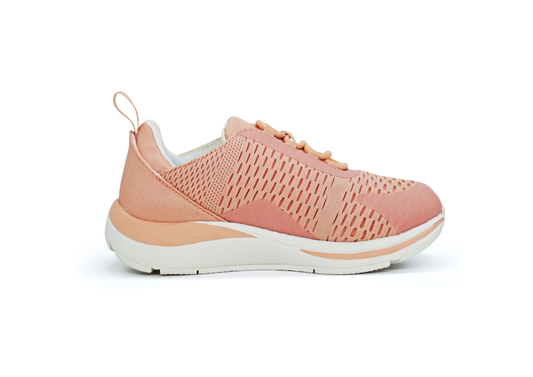
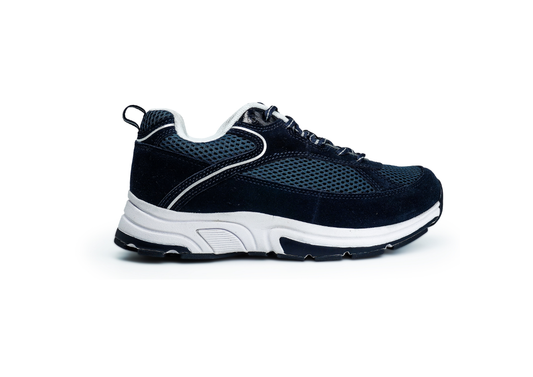
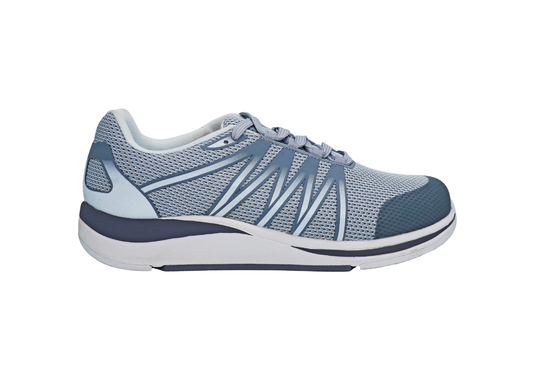
Men’s and women’s diabetic footwear often differ in design, fit, and style. Men’s shoes typically have a wider fit and may feature more robust designs, while women’s shoes often prioritize aesthetics alongside comfort. It is essential to choose footwear that accommodates the unique shape and size of each individual's feet. Additionally, women may require shoes that provide more arch support due to differences in foot structure. Understanding these differences can help individuals select the most appropriate footwear for their needs.
Which Factors Should You Consider When Selecting Diabetic Shoes?
When selecting diabetic shoes, consider the following factors to ensure optimal comfort and protection:
- Material Considerations: Choose shoes made from breathable, moisture-wicking materials to keep feet dry.
- Support Features: Look for shoes with adequate arch support and cushioning to reduce pressure on the feet.
- Adjustability: Shoes with adjustable straps or laces can provide a better fit, accommodating any swelling or foot changes.
By taking these factors into account, individuals can make informed decisions that promote foot health and comfort.
What Are the Benefits of Wearing Diabetic Foot Protection Shoes?

Wearing diabetic foot protection shoes offers several health advantages, including:
- Preventing Ulcers and Blisters: Specialized footwear reduces friction and pressure, minimizing the risk of skin breakdown.
- Improving Circulation: Properly fitted shoes can enhance blood flow, which is crucial for individuals with diabetes.
- Enhancing Stability: Supportive footwear helps maintain balance and stability, reducing the risk of falls.
These benefits highlight the importance of investing in quality diabetic footwear to support overall health and well-being.
How Do Orthopedic Shoes Help Manage Diabetic Neuropathy and Heel Pain?
Orthopedic shoes are designed to provide the necessary support and cushioning for individuals suffering from diabetic neuropathy and heel pain. The cushioning in these shoes absorbs shock and reduces pressure on sensitive areas, alleviating discomfort. Additionally, orthopedic shoes often feature arch support that helps distribute weight evenly, which can further reduce pain. By wearing orthopedic footwear, individuals can manage their symptoms more effectively and maintain an active lifestyle.
What Evidence Supports the Use of Diabetic Footwear in Ulcer Prevention?
Research has shown that wearing specialized diabetic footwear can significantly reduce the incidence of foot ulcers. Clinical guidelines recommend the use of protective footwear for individuals with diabetes to prevent complications. Studies indicate that patients who wear appropriate diabetic shoes experience fewer foot injuries and ulcers compared to those who do not. This evidence underscores the importance of investing in quality footwear to protect against serious health issues.
A systematic review further supports this by evaluating specific footwear and insole features proven to reduce plantar pressures and the risk of ulceration in neuropathic feet.
Diabetic Footwear & Insole Features for Neuropathy & Ulcer Prevention
In people with diabetes, offloading high-risk foot regions by optimising footwear, or insoles, may prevent ulceration. This systematic review aimed to summarise and evaluate the evidence for footwear and insole features that reduce pathological plantar pressures and the occurrence of diabetic neuropathy ulceration at the plantar forefoot in people with diabetic neuropathy.
Footwear and insole design features that reduce neuropathic plantar forefoot ulcer risk in people with diabetes: a systematic literature review, S Ahmed, 2020
How Should You Care for Your Diabetic Footwear to Maintain Protection and Comfort?
Proper care of diabetic footwear is essential to maintain its protective qualities and comfort. Here are some tips for caring for your shoes:
- Cleaning Methods: Regularly clean shoes with mild soap and water to remove dirt and moisture.
- Storage Tips: Store shoes in a cool, dry place to prevent mold and deterioration.
- Maintenance Routines: Check for signs of wear and replace shoes as needed to ensure continued support and protection.
By following these care tips, individuals can extend the life of their diabetic footwear and ensure optimal performance.
When Is It Time to Replace Your Diabetic Footwear?
Knowing when to replace diabetic footwear is crucial for maintaining foot health. Signs of wear, such as uneven soles, loss of cushioning, or visible damage, indicate that it may be time for a new pair. Additionally, if shoes no longer provide adequate support or comfort, it is essential to replace them. Regularly assessing the condition of footwear can help prevent complications and ensure that feet remain protected.
What Do Customers Say About Our Diabetic Footwear Collection?
Customer feedback on diabetic footwear often highlights the importance of comfort and protection. Many users report significant improvements in foot health and overall satisfaction after switching to specialized diabetic shoes. Positive reviews frequently mention the cushioning, fit, and support provided by the footwear, emphasizing how these features contribute to a better quality of life for individuals managing diabetes.
Which Case Studies Demonstrate Improved Foot Health with Our Shoes?
Several case studies illustrate the positive impact of specialized diabetic footwear on foot health. For instance, patients who transitioned to orthopedic shoes reported a marked decrease in foot ulcers and improved mobility. These success stories highlight the effectiveness of investing in quality diabetic footwear to enhance overall health and prevent complications.
How Do Customer Reviews Reflect Comfort and Protection Benefits?
Customer reviews often reflect the comfort and protection benefits of diabetic footwear. Many users express appreciation for the cushioning and support provided by the shoes, noting that they can walk longer distances without discomfort. Additionally, reviews frequently mention the importance of proper fit and the positive impact it has on foot health. This feedback underscores the value of choosing the right diabetic footwear to support an active lifestyle.
For those seeking additional support and specialized designs, exploring arthritis footwear can provide enhanced comfort and relief.
