


Discover the Top Benefits of Arthritis Shoes
Orthopedic Shoes for Arthritis: Discover the Top Benefits for Pain Relief and Comfort

By Dr. Subramanyam Balaji, Ortho Shoes Corporation
Arthritis can significantly impact daily life, particularly affecting mobility and comfort. Individuals suffering from this condition often experience pain and discomfort in their feet, making it essential to find suitable footwear that alleviates these issues. This article explores the top benefits of arthritis shoes, designed specifically to provide pain relief and enhance comfort for those affected by arthritis. By understanding the unique features of these shoes, readers will learn how they can improve their quality of life and mobility. We will delve into the key characteristics of arthritis footwear, how they support foot health, and the long-term advantages of wearing them.
What Are Arthritis Shoes and How Do They Provide Pain Relief?
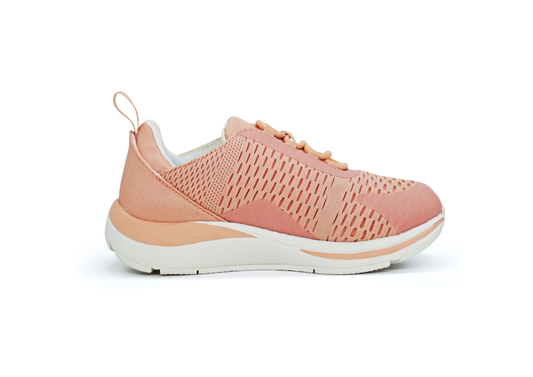
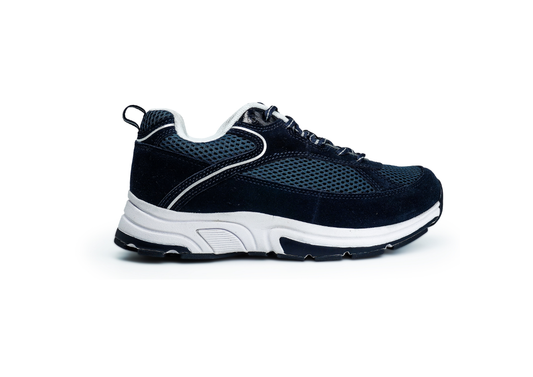
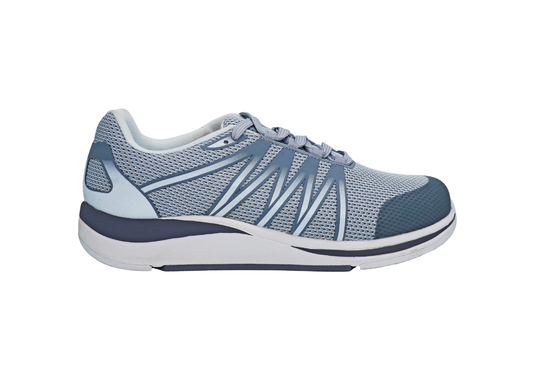
Arthritis shoes are specialized footwear designed to alleviate pain and discomfort associated with arthritis. These shoes incorporate features that provide support, cushioning, and stability, which are essential for individuals with foot conditions. The primary mechanism behind their effectiveness lies in their ergonomic design, which helps distribute weight evenly and reduces pressure on sensitive areas of the foot. By wearing arthritis shoes, individuals can experience significant pain relief, allowing them to engage in daily activities with greater ease and comfort.
Studies have consistently shown that therapeutic shoes can significantly reduce foot pain and improve physical functioning for those with rheumatoid arthritis.
Therapeutic Shoes Reduce RA Foot Pain & Improve Function
Quantitative data-analyses of within-group differences resulted in a medium to large effect for the reduction of foot pain (SMD 0.60, 95% CI 0.28–0.92;P≤ 0.001; 184 participants) and a small to medium effect for the improvement of physical functioning (SMD 0.30, 95% CI 0.04–0.56;P= 0.02; 150 participants). Within-group results indicate that therapeutic shoes are likely to be effective in patients with RA.
The effectiveness of therapeutic shoes in patients with rheumatoid arthritis: a systematic review and meta-analysis, 2018
Understanding Arthritis and Its Impact on Foot Health
Arthritis is a condition characterized by inflammation of the joints, leading to pain, stiffness, and swelling. This inflammation can also affect the feet, causing various problems such as bunions, hammertoes, and plantar fasciitis. Proper footwear is crucial for managing these symptoms, as the right shoes can help alleviate pressure on affected areas and provide necessary support. Without appropriate footwear, individuals may experience increased pain and reduced mobility, further impacting their quality of life.
Indeed, research underscores the significant prevalence of foot problems among individuals with rheumatoid arthritis, highlighting the critical role of therapeutic footwear.
Investigating Therapeutic Footwear for RA Pain & Mobility
An estimated 55-90% of patients with rheumatoid arthritis have foot problems. Therapeutic footwear is frequently prescribed as part of usual care, but data on its use and effect is incomplete. This study aimed to investigate the use and effects of therapeutic footwear on lower-extremity-related pain and activity limitations in patients with rheumatoid arthritis.
… effects of custom-made therapeutic footwear on lower-extremity-related pain and activity limitations in patients with rheumatoid arthritis: A prospective observational …, 2014
Which Key Features Make Arthritis Footwear Effective?

Arthritis footwear is designed with specific features that enhance their effectiveness in providing comfort and support. Key features include:
- Cushioned Soles: These provide shock absorption, reducing the impact on joints during movement.
- Arch Support: Proper arch support helps maintain foot alignment and reduces strain on the feet.
- Wide Toe Box: A spacious toe box allows for natural toe movement and prevents discomfort from pressure.
These features work together to create a supportive environment for the feet, making arthritis shoes an essential choice for those suffering from this condition.
Specific design elements are crucial for effective pain relief, with research identifying key characteristics that benefit individuals with various forms of arthritis.
Essential Footwear Features for Arthritis Pain Relief
Key footwear characteristics identified as beneficial for people with rheumatoid arthritis include cushioning and a wide toe box; cushioning, midsole stability and a rocker-sole for people with osteoarthritis.
Footwear interventions for foot pain, function, impairment and disability for people with foot and ankle arthritis: a literature review, 2018
Ergonomic Design, Cushioning, and Arch Support Explained
The ergonomic design of arthritis shoes is crucial for providing comfort and support. This design typically includes a contoured footbed that aligns with the natural shape of the foot, promoting better posture and reducing strain. Cushioning materials, such as memory foam or gel inserts, enhance comfort by absorbing shock and providing a soft landing for the feet. Additionally, arch support is vital for maintaining proper foot alignment, which can help alleviate pain associated with arthritis.
How These Features Improve Mobility and Comfort
The combination of ergonomic design, cushioning, and arch support significantly improves mobility and comfort for individuals with arthritis. By reducing pain and discomfort, arthritis shoes enable users to engage in daily activities more freely. Improved mobility can lead to a more active lifestyle, which is essential for overall health and well-being. Furthermore, the right footwear can help prevent further joint damage, supporting long-term foot health.
How to Choose the Best Shoes for Arthritis Pain Relief?

Selecting the right shoes for arthritis pain relief involves considering several factors to ensure optimal comfort and support. Here are some key aspects to keep in mind:
- Proper Fit: Shoes should fit well without being too tight or too loose, allowing for natural foot movement.
- Adjustable Features: Look for shoes with adjustable straps or laces to accommodate swelling and provide a customized fit.
- Material Choices: Breathable materials can help keep feet dry and comfortable, while durable materials ensure longevity.
By focusing on these factors, individuals can find shoes that effectively address their specific needs related to arthritis.
Factors to Consider for Selecting Arthritis Shoes
When selecting arthritis shoes, it is essential to consider the following factors:
- Foot Type: Understanding whether you have flat, high-arched, or neutral feet can guide your choice in footwear.
- Activity Level: Consider the types of activities you will be engaging in, as different shoes may be better suited for walking, standing, or casual wear.
- Style Preferences: While comfort is paramount, finding a style that you enjoy wearing can encourage regular use.
These considerations will help ensure that the chosen footwear meets both functional and aesthetic needs.
Comparing Arthritis Footwear Options for Men and Women
Arthritis footwear options vary for men and women, with specific designs catering to the unique needs of each gender. Men's shoes often feature wider fits and more robust designs, while women's shoes may offer more style variations and colors. It is essential to compare these options to find the best fit and support for your specific foot type and preferences.
What Are the Top Benefits of Wearing Arthritis Pain Relief Shoes?
Wearing arthritis pain relief shoes offers several significant benefits, including:
- Improved Comfort: The specialized design and cushioning provide relief from pain and discomfort.
- Enhanced Support: Features like arch support and a wide toe box help maintain foot health and prevent further issues.
- Increased Mobility: By reducing pain, these shoes allow individuals to move more freely and engage in daily activities.
These benefits highlight the importance of investing in quality footwear for those suffering from arthritis.
Supporting Long-Term Foot Health and Comfort
Long-term foot health is crucial for individuals with arthritis, as improper footwear can lead to further complications. Wearing arthritis shoes can help prevent additional joint damage and maintain overall foot health. By providing the necessary support and comfort, these shoes contribute to a better quality of life, allowing individuals to remain active and engaged in their daily routines.
| Feature | Description | Benefit |
|---|---|---|
| Cushioned Soles | Soft, shock-absorbing materials | Reduces impact on joints |
| Arch Support | Contoured footbed design | Maintains foot alignment |
| Wide Toe Box | Spacious design for toe movement | Prevents discomfort and pressure |
If you're seeking relief from heel pain, consider exploring specialized footwear designed to alleviate discomfort and provide the necessary support.
Frequently Asked Questions
1. Can arthritis shoes be worn for all types of arthritis?
Yes, arthritis shoes can be beneficial for various types of arthritis, including rheumatoid arthritis, osteoarthritis, and psoriatic arthritis. These shoes are designed to provide support, cushioning, and stability, which can help alleviate pain and discomfort associated with different forms of arthritis. However, it's essential to consult with a healthcare professional to determine the best footwear options tailored to your specific condition and needs.
2. How do I know if my arthritis shoes fit properly?
To ensure a proper fit for arthritis shoes, check that there is enough room in the toe box for your toes to move freely without pressure. The heel should fit snugly without slipping, and the arch support should align with your foot's natural arch. Additionally, consider trying shoes on later in the day when your feet may be slightly swollen to ensure comfort throughout the day. Always walk around in the shoes to assess comfort and support.
3. Are there specific brands known for quality arthritis footwear?
Several brands are recognized for producing high-quality arthritis footwear, including New Balance, Orthofeet, and Skechers. These brands often incorporate features like cushioned soles, arch support, and wide toe boxes specifically designed for individuals with arthritis. It's advisable to read reviews and consult with healthcare professionals to find the best options that suit your needs and preferences.
4. How often should I replace my arthritis shoes?
It's generally recommended to replace arthritis shoes every 6 to 12 months, depending on usage and wear. Signs that it's time for a replacement include visible wear on the soles, loss of cushioning, or decreased support. Regularly assessing your shoes for comfort and functionality is crucial, as worn-out shoes can exacerbate foot pain and negatively impact mobility.
5. Can I customize my arthritis shoes for better support?
Yes, many arthritis shoes can be customized with orthotic inserts or insoles to provide additional support tailored to your specific foot needs. Custom orthotics can help improve alignment, reduce pain, and enhance overall comfort. Consult with a podiatrist or orthopedic specialist to determine the best customization options for your footwear.
6. What activities are arthritis shoes suitable for?
Arthritis shoes are versatile and can be suitable for various activities, including walking, light jogging, and casual outings. However, it's essential to choose shoes designed for specific activities, as some may offer better support and cushioning for particular movements. Always consider your activity level and the type of terrain when selecting footwear to ensure optimal comfort and safety.
7. Are there any specific care tips for maintaining arthritis shoes?
To maintain the quality and longevity of arthritis shoes, clean them regularly with a damp cloth and mild soap to remove dirt and sweat. Allow them to air dry away from direct heat sources. Additionally, store them in a cool, dry place to prevent damage. Regularly check for signs of wear and replace them as needed to ensure continued support and comfort.
