


Silicone Arch Support: Transform Your Foot Health
Silicone Arch Support: Transform Your Foot Health

We take thousands of steps every single day, yet we rarely think about the foundation carrying us through it all—our feet. Whether you spend long hours standing on hard concrete or enjoy daily walks around your neighborhood, foot fatigue and arch pain are incredibly common. Fortunately, you do not always need bulky, expensive footwear to find comfort. Enter the silicone arch support, a discreet, highly effective solution designed to restore your foot’s natural alignment and cushion your steps.
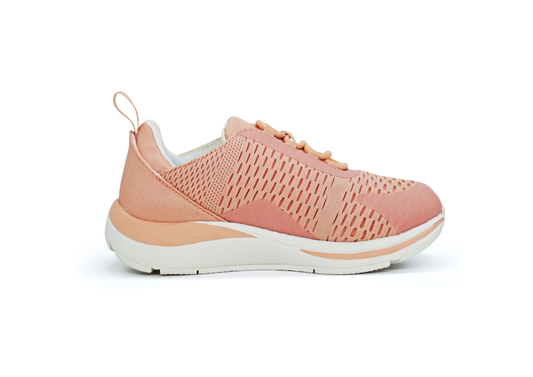
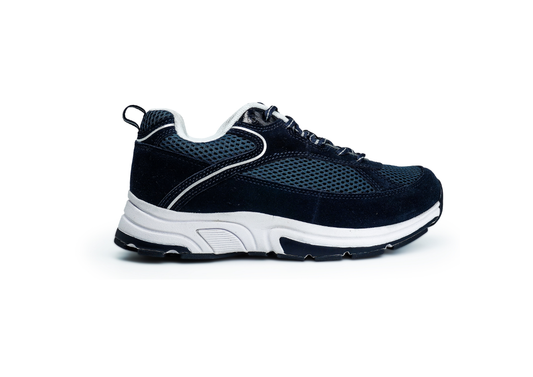
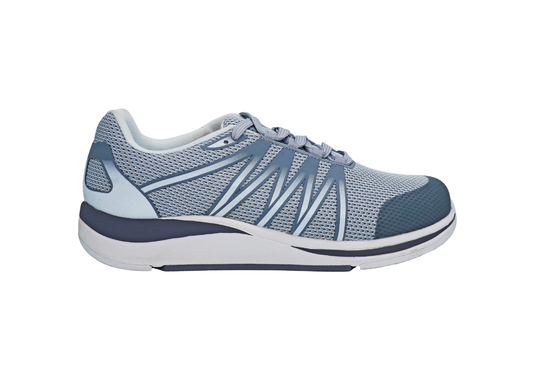
If you are dealing with flat feet, aching heels, or general lower-body fatigue, integrating the right support into your shoes can be life-changing. In fact, silicone inserts are often used alongside orthopedic shoes for men and women—footwear designed with structured lasts, stabilizing heel counters, and supportive midsoles—to create a more complete, clinically sensible setup for daily walking, work, and recovery.
Understanding the Foundation: How Arch Support Works
To appreciate the value of proper footwear inserts, it helps to understand the biomechanics of medial longitudinal arch support. Your foot’s medial arch acts as a natural spring, absorbing the impact of your body weight hitting the ground. When this arch collapses or is too rigid, that shock travels up into your ankles, knees, and lower back.
A well-designed silicone medial arch support bridges the gap between your foot and your shoe. By gently lifting the midfoot, these inserts promote healthy alignment and distribute pressure evenly across your entire foot. For those who need comprehensive coverage from heel to toe, choosing a full-length silicone insole ensures that your foot is cradled correctly through every phase of your stride.
Orthopedic walking shoes for women typically prioritize a stable platform; silicone arch support complements that platform by refining contact, reducing peak pressures, and improving comfort without materially altering the shoe’s structure.
Top Benefits of Silicone Arch Support
Investing in medical-grade gel orthotics offers several distinct advantages over going without support. Here is what you can expect when you make the switch:
-
Exceptional Shock Absorption: The benefits of shock-absorbing foot supports cannot be overstated. Silicone effectively disperses kinetic energy, preventing it from jarring your joints. This is especially relevant in men's orthopedic walking shoes intended for prolonged standing.
-
Alleviating Heel Discomfort: Silicone is incredibly effective at reducing heel pressure. By elevating the arch, these inserts take the strain off the heel bone, acting as excellent plantar fasciitis relief shoes accessories.
-
Skin-Friendly Materials: Because silicone is non-porous, it naturally resists moisture, bacteria, and odor. This makes them fantastic hypoallergenic foot care accessories.
-
Targeted Alignment: Correcting overpronation with foot pads is a straightforward process when using silicone. The firm yet yielding nature of the gel gently prevents the foot from rolling inward.
Tackling Specific Foot Conditions
No two feet are exactly alike, but silicone supports are remarkably versatile. People frequently ask podiatrists: do gel inserts help fallen arches? The answer is a resounding yes. Adhesive gel cushions for flat feet (pes planus) gently push the collapsed midfoot back into a neutral position.
On the opposite end of the spectrum, finding the best inserts for high arch pain is equally important. High arches absorb shock poorly because less of the foot touches the ground. A targeted silicon arch fills that empty space, bringing the ground up to meet your foot.
If you suffer from pain in the ball of your foot, combining your arch support with a metatarsal pad is highly effective. We recommend looking up a quick metatarsal pad placement guide to ensure you position the cushion correctly—usually right behind the ball of the foot.
Material Matters: Silicone vs. Foam Shoe Inserts
When shopping for foot supports, you will inevitably face the debate of silicone vs. foam shoe inserts. While foam inserts may feel soft initially, they suffer from compression. Foam cells break down under your body weight, often flattening out entirely within a few weeks.
Silicone, however, possesses a unique "memory." It compresses to absorb shock but instantly rebounds to its original shape. This durability means that medical-grade gel inserts will maintain their structural integrity for months, or even years, vastly outperforming traditional foam. In the context of therapeutic shoes, this resilience is functionally vital.
Practical Application: Orthopedic Footwear Compatibility
One of the greatest advantages of silicone arch supports is their sleek, adaptable profile. You are not limited to bulky sneakers; they work across various styles:
-
Athletic Gear: Pair them with orthopedic athletic shoes to enhance stability during high-impact activities.
-
Summer Footwear: Self-adhesive cushions are perfect for an orthopedic sandal for women. Their low profile conforms to open-toed shoes without sliding.
-
Formal Wear: For office wear, transparent orthotics are a game-changer. They blend into women's orthopedic slip-on shoes or dress flats invisibly.
-
At Home: Even your orthopedic slippers can benefit from a little extra arch lift to keep your alignment perfect around the house.
Maintenance Tips: How to Clean Reusable Gel Arches
Learning how to clean reusable gel arches takes only a few minutes and will easily extend the lifespan of your inserts:
-
Remove Gently: Carefully peel the silicone arch support out of your shoe.
-
Wash with Mild Soap: Run the inserts under warm water with a drop of mild soap. Rub the sticky side to remove dirt and lint.
-
Air Dry Completely: Leave them sticky-side up to air dry. Do not use a towel, as fibers will stick to the gel.
-
Reapply: Once dry, the self-adhesive properties return, and they are ready for your diabetic footwear or daily sneakers.
Q&A: Silicone Arch Support and Orthopedic Footwear
Q: Can I use silicone medial arch support inside shoes with removable insoles?
A: Yes. Many men's comfort orthopedic shoes feature removable insoles specifically to accommodate such inserts.
Q: Are silicone supports appropriate for diabetic feet?
A: Caution is advised. While silicone reduces friction, people with reduced sensation should prioritize diabetic comfort sandals and consult a professional for routine skin checks.
Q: Do I need an insole if I already wear heel pain shoes?
A: If you have persistent strain, adding a silicone insert to your heel pain shoes can provide more targeted pressure distribution.
The Bottom Line
Ignoring foot pain leads to greater discomfort in your knees, hips, and back. By utilizing a high-quality silicone arch support—especially as a complement to orthopedic footwear for women and men—you are investing in your long-term mobility. Treat your feet right, and they will carry you comfortably wherever you need to go.
