


Top Shoes for Men: Find Your Perfect Fit
You’ve got a wedding this weekend, but halfway through the reception, your feet are throbbing and the synthetic leather on your shoes is already peeling. Many guys fall into this trap of buying disposable mens footwear—cheaply made shoes designed to be thrown away rather than repaired. Constantly replacing poorly made pairs feels like saving money, but it actually drains your wallet.
Beyond ruining a good time, flimsy construction carries hidden physical costs. Your feet are the foundation for your body, so unsupportive footwear can amplify knee, hip, and lower-back discomfort. If you have flat feet, plantar heel pain, bunions, or diabetes-related foot sensitivity, the “perfect” pair is less about hype and more about pressure distribution, stability, and a toe box that doesn’t squeeze.
Running a quick “Mirror Check” before leaving the house ensures your footwear anchors your look instead of overpowering it—then a quick “5 PM Test” confirms you can still walk comfortably later in the day. Upgrading your closet also requires calculating your “Cost-Per-Wear” metric. Rather than spending repeatedly on uncomfortable shoes, investing in a well-built pair—especially orthopedic-grade cushioning shoes for men—often reduces both long-term spend and daily pain.
Start With Foot Health: The Orthopedic Checklist Before Style
Before you compare stylish shoes for men or new trend shoes for men, do a fast fit-first screening. Orthopedic footwear isn’t a single “old man shoes” look; it’s a set of design choices that reduce stress on joints and soft tissue.
-
Toe box: Choose a roomy, rounded or anatomical toe box to reduce rubbing.
-
Insole compatibility: Look for removable insoles if you wear custom orthotics.
-
Midsole cushioning: High-quality EVA/PU cushioning helps absorb impact.
-
Stability: A firm heel counter and supportive shank reduce overpronation fatigue.
-
Outsole grip: Essential for safety on smooth office floors or rainy streets.
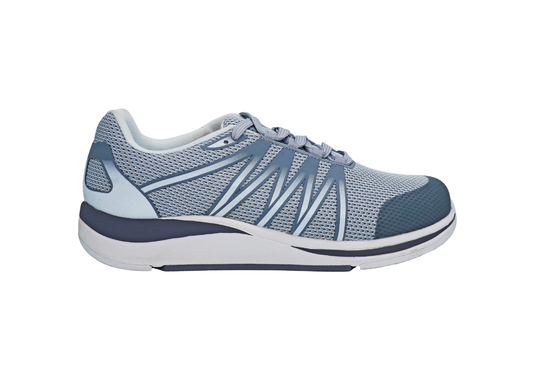
If you’re shopping for specialized support, exploring the Aaron comfort orthopedic shoes for men can provide that necessary blend of structure and style.
Oxfords vs. Derbys: Decoding the “Lacing Rule”
Most guys lump all lace-up leather footwear into one category, but the secret lies in the vamp (where the laces attach).
-
The Oxford: Features closed lacing. These are your essential formal dress shoes for weddings and boardroom meetings.
-
The Derby: Features open lacing. These are incredibly versatile casual shoes that pair flawlessly with dark denim.
From an orthopedic perspective, Derbys like the Victor mens orthopedic footwear black are often easier to dial in for a comfortable fit because open lacing provides more adjustability across the instep. This is vital if you need wide width shoes for flat feet or have high arches.
Diabetic Footwear Essentials: What to Look For
If you’re buying for diabetes or high foot sensitivity, the “best shoes for men” are those that manage pressure and accommodate swelling.
-
Seam-minimized interiors: Reduces blister and ulcer risk.
-
Soft uppers: Stretchable materials like those found in Prince mens orthopedic footwear help when feet swell.
-
Extra Depth: Crucial for diabetic footwear collections to support protective orthotics.
Types of Shoes for Men: A Comfort-First Capsule Rotation
Instead of buying cheap, single-use pairs, build a rotation of supportive essentials. This extends the life of your shoes and protects your posture.
|
Shoe Type |
Best For |
Key Feature to Look For |
|
Athletic Walker |
Daily Errands / Exercise |
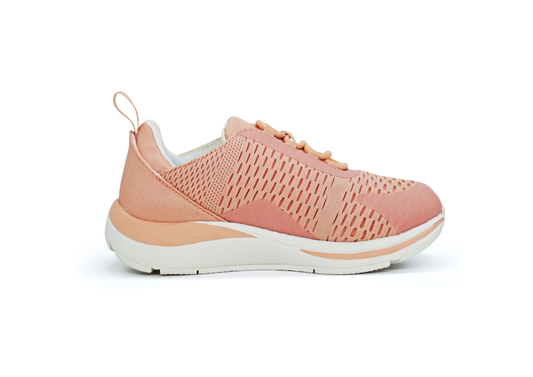
Impact absorption like Player mens orthopedic walking shoes |
|
Stable Trainer |
Long Standing Hours |
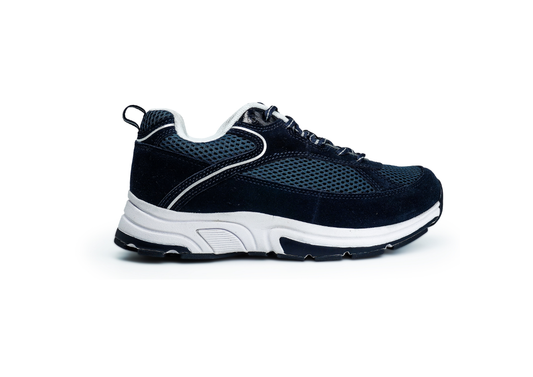
Motion control found in Stable mens orthopedic walking shoes |
|
Daily Loafer |
Office / Casual |
Easy entry with arch support like Light mens orthopedic footwear |
|
Recovery Sandal |
Home / Summer |
Anatomical footbeds like the Jackson mens orthopedic sandal |
Fit Isn’t Just Size: The 3-Step Home Fit Test
Buying footwear that feels like a torture device by 5 PM usually stems from timing. Feet naturally expand daily—a reality known as “Afternoon Swell.” 1. Trace & Measure: Do this late in the day wearing your typical socks.
2. The Ball Alignment: Ensure the widest part of your foot aligns with the widest part of the shoe.
3. The Thumb Test: Confirm exactly one thumb’s width of space remains between your longest toe and the tip. This is especially important when ordering size 13 mens shoes.
Maintenance for Longevity
To keep your therapeutic shoes in peak condition, never wear the same pair two days in a row. This "moisture rest-cycle" allows the materials to dry and the cushioning to decompress. For those suffering from specific conditions, such as plantar fasciitis, maintaining the structural integrity of the sole is just as important as the look of the leather.
Q&A: Orthopedic Shoe Buying in India
-
Can I wear stylish shoes with orthotics? Yes, look for Contest mens orthopedic walking shoes which offer removable insoles.
-
Where can I find breathable summer options? The Sandal Remy mens or Sandal Rogar mens provide orthopedic support with maximum airflow.
-
What about indoor comfort? For home use, Slippers Roman mens ensure you aren't walking barefoot on hard floors, which can aggravate heel pain.
