


Benefits of Ortho Cloud Shoes for Comfort
Benefits of Ortho Cloud Shoes for Comfort
We’ve all experienced that familiar afternoon slump where, halfway through a shift, your soles start begging for a timeout. Many of us chase pillowy softness to fix this fatigue, but there is a massive difference between a simple slab of soft foam and true therapeutic cushioning.
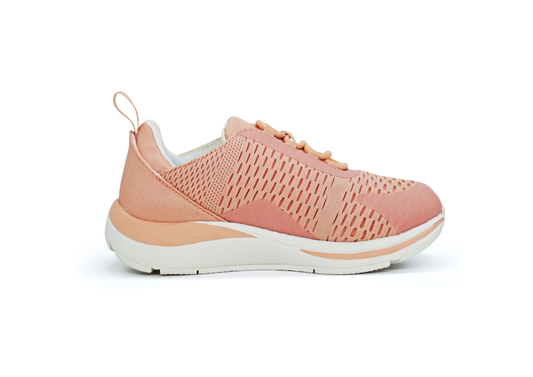
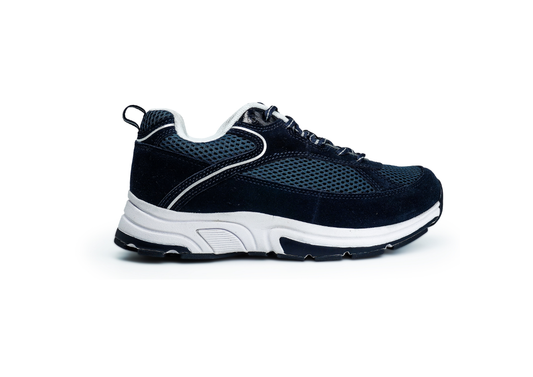
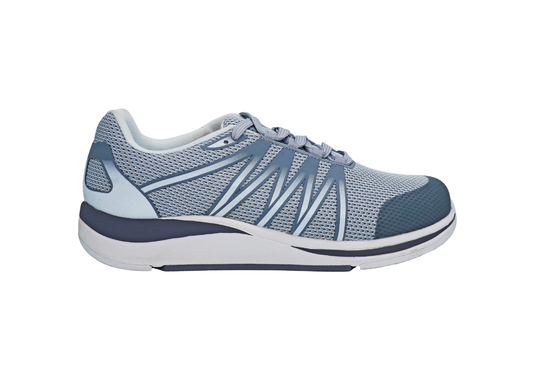
According to podiatrists, generic softness acts like a sagging mattress that feels great momentarily but leaves your joints aching by dinner. This is where the category of ortho cloud shoes changes the game. By combining shock-absorbing materials with built-in structural alignment, these designs gently cradle your arches while preventing your ankles from tilting.
Softness vs. Support: The Anatomical Foundation
Pure softness feels great for ten minutes, but it lacks structural integrity. Standard foam flattens under weight, whereas therapeutic cushioning bounces back, absorbing the impact of concrete floors without losing shape.
● Standard Memory Foam: Sinks under pressure and bottoms out quickly.
● High-Density Foam: Resists flattening and maintains a resilient foundation.
● Lateral Stability: Contoured edges cradle the heel to prevent the side-to-side sliding that leads to rolled ankles.
Taming the Morning Sting: Relief for Plantar Fasciitis
If you feel a sharp, stabbing pain during your first steps out of bed, your plantar fascia—the ligament "bowstring" of your foot—is likely inflamed. Proper plantar fasciitis shoes intercept this strain by filling the empty space under the midfoot.
Finding shoes for high arches means seeking designs that prevent the arch from collapsing downward. A deep heel cup further stabilizes the natural fatty pad, keeping your legs properly aligned much like the mechanics found in heel pain shoes.
Mobility After Surgery: Hip and Joint Recovery
Relearning to trust your body after major surgery requires footwear that acts as a premium shock absorber for the entire kinetic chain. This is why ortho clouds are often cited as the best shoes after hip replacement.
For safe rehabilitation, look for these features:
● Hands-free entry: Velcro or slip-on closures to avoid risky bending at the waist.
● Slip-resistant soles: To prevent falls on slick hospital or home floors.
● Ultra-lightweight foam: To prevent foot-dragging that exhausts healing muscles.
Surviving the 12-Hour Shift
For nurses and retail workers, footwear failure leads to lower back and knee pain. Ortho cloud technology utilizes energy return—foam that acts like a trampoline rather than a beanbag. This responsive bounce is vital for reducing joint impact during marathon work shifts. Additionally, breathable mesh allows the shoe to expand alongside late-shift swelling.
FAQ: 10 Common Questions About Ortho Cloud Footwear
1. What is energy return in footwear? It refers to high-density foam that bounces back instantly, actively pushing your foot upward to reduce muscle fatigue.
2. Are ortho cloud shoes good for bunions? Yes, if they feature an extra wide toe box to let your toes splay naturally.
3. Why do I need a "rocker bottom" sole? This curved shape rolls your stride forward from heel to toe, reducing the effort your joints must exert.
4. Can I wear these shoes indoors? Absolutely. Indoor orthopedic footwear is crucial to protect your heels from hard tile or wood floors.
5. How do they help with neuropathy? Quality neuropathy sandals and shoes use seamless, ultra-soft linings to protect sensitive skin from friction.
6. What is the "Twist Test"? Twist the shoe like a towel; it should resist. If it wrings out easily, it lacks the stability needed for your joints.
7. Do these shoes help with overpronation? Yes, by providing a rigid arch area and heel counter that prevent the ankle from rolling inward.
8. When should I replace my ortho clouds? Reassess every 6–12 months. Once the foam loses its "bounce" or the tread wears flat, the protection is gone.
9. Why do my calves feel sore at first? Because the shoes correct your posture, your muscles are engaging in new, healthier ways. Use a 3-day break-in period.
10. How do I clean them? Wipe down outsoles weekly and air-dry only; excessive heat can degrade specialized orthopedic foams.
Your Action Plan for Pain-Free Steps
Don't jump into a twelve-hour shift on day one. Start with a 3-Day 'Ortho Transition':
● Day 1: Wear them indoors for two hours.
● Day 2: Take a short twenty-minute walk.
● Day 3: Wear them for a half-day of errands.
By respecting the break-in process and choosing podiatrist-recommended walking footwear, you are investing in a foundation that supports your mobility for years to come.
