
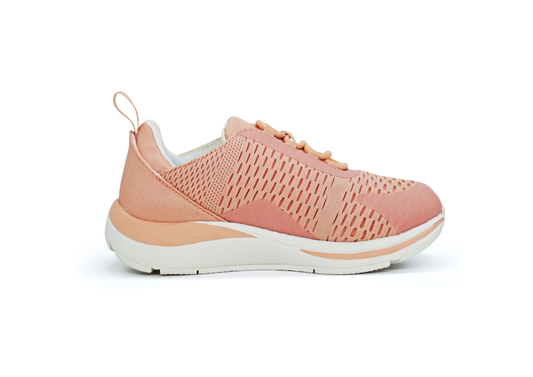
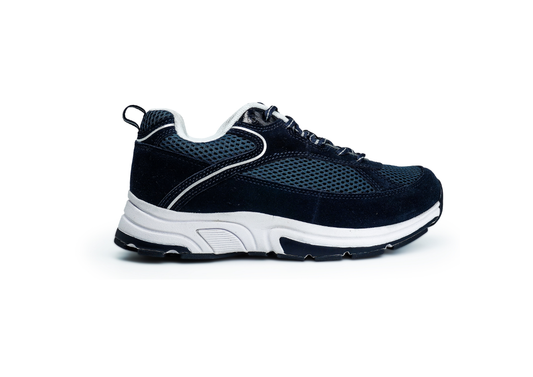

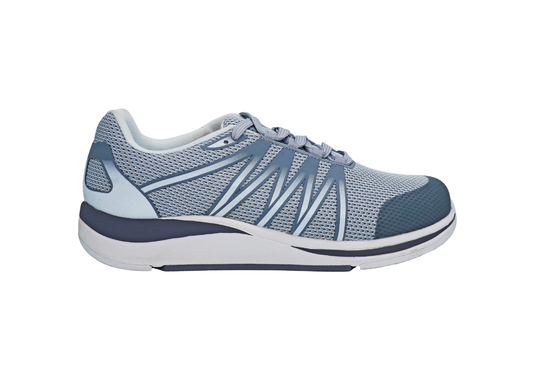

Comfort and Style: Women's Velcro Shoes for Seniors
Comfort and Style: Women's Velcro Shoes for Seniors
Morning routines should spark pride, not frustration. Traditional laces can act as hidden trip hazards that compromise independent dressing. Choosing women's velcro shoes for elderly wearers is a proactive safety choice that preserves everyday dignity. These shoes feature adjustable fasteners specifically designed for arthritic hands, adapting to limited grip strength while securing the foot comfortably.
3 Non-Negotiable Features for Fall Prevention
Navigating slick kitchen tile requires more than just ordinary footwear. High-quality orthopedic footwear for ladies provides a secure-lock closure to safely anchor the foot. Before purchasing, always inspect the shoe’s structural foundation for these three safety elements:
● Slip-resistant treads: Look for deep, rubberized grooves rather than smooth fashion bottoms to ensure grip on various surfaces.
● Extra wide toe box: An extra wide toe box allows for natural toe splay, which helps anchor your balance.
● Firm heel cup: A rigid heel cup is essential to prevent lateral ankle rolls.
Adapting to Swelling and Pain
Because feet naturally expand throughout the day, managing edema requires highly adaptable footwear. Velcro shoes for seniors allow for effortless adjustment as swelling increases.
● Edema: High-volume designs safely accommodate afternoon swelling without restricting circulation.
● Plantar Fasciitis: Look for plantar fasciitis shoes with firm arch support to absorb the harsh shock of hard floors.
● Bunions: Breathable mesh uppers stretch around painful joints, protecting sensitive skin from friction.
● Joint Stability: Specialized arthritis footwear focuses on pressure redistribution and stability for long-term comfort.
For those requiring custom corrections, many models feature removable footbeds to accommodate orthotic inserts without pinching.
FAQ: 10 Common Questions About Velcro Shoes for Seniors
1. Why is velcro better than laces for seniors? Velcro eliminates trip hazards and provides an adjustable, easy-to-use closure for those with limited hand dexterity or arthritis.
2. What should I look for to prevent falls? Prioritize slip-resistant treads and a firm heel cup to stabilize the ankle.
3. How do these shoes help with edema? The adjustable straps allow the wearer to loosen the shoe as swelling increases throughout the day.
4. Are there stylish options available? Yes, modern stylish orthopedic shoes camouflage therapeutic features within professional and casual designs.
5. What is the "Thumb Test"? It is used to ensure proper fit by leaving a thumb's width of space between the longest toe and the front of the shoe.
6. Can I use my own orthotics in velcro shoes? Yes, look for designs with removable footbeds to create the necessary depth for custom inserts.
7. Why is a wide toe box important? It prevents toe pinching and allows toes to spread, which is vital for maintaining balance.
8. What is the best material for non-slip soles? EVA and rubberized compounds are preferred for their combination of shock absorption and floor grip.
9. When is the best time to measure senior foot size? Always measure in the late afternoon when feet are at their maximum size due to natural swelling.
10. How often should senior footwear be replaced? Reassess regularly based on tread wear and structural integrity; if the sole bends too easily or the tread is worn, it's time for a replacement.
Your 3-Step Plan for a Supportive Pair
1. Measure in the afternoon: Always account for daily foot volume displacement.
2. Perform the 'sole flex test': Ensure the shoe bends naturally and check that the tread is still effective.
3. Consult a professional: Seek podiatrist-recommended footwear tailored to your specific mobility needs and conditions.
