


Discover the Best Orthopedic Footwear for Women’s Wellness
Best Women's Orthopedic Shoes for Comfort and Foot Health: Expert Guide to Choosing Supportive Footwear
Choosing appropriate footwear is a key step for women with foot conditions. Orthopedic footwear is engineered to support the foot, reduce pain, and improve daily comfort, addressing common problems such as heel pain, arthritis, and diabetes-related foot issues. This guide reviews the benefits of orthopedic shoes, highlights options for diabetic foot care, and offers practical tips for selecting walking shoes and sandals so women can choose footwear that supports long‑term foot health.
What Are the Key Benefits of Orthopedic Footwear for Women?
Orthopedic footwear delivers targeted benefits for women's foot health. These designs combine structural support, clinical advantages, and user comfort to address specific needs.
- Support Features: Orthopedic shoes often include arch support and cushioned soles, which help distribute weight evenly and reduce pressure on sensitive areas of the foot.
- Health Advantages: Wearing orthopedic footwear can slow the progression of conditions such as arthritis and diabetic foot complications, promoting better overall foot health.
- Comfort Enhancements: Many orthopedic shoes are designed with breathable materials and adjustable straps, ensuring a comfortable fit that accommodates various foot shapes.
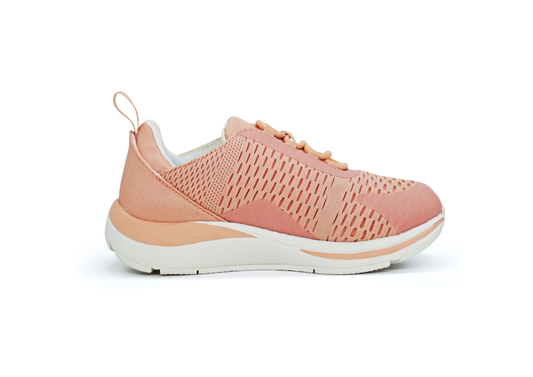
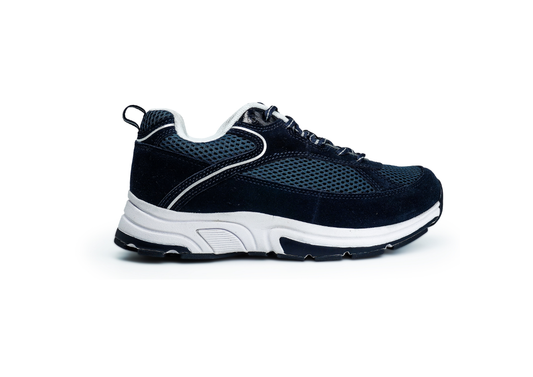
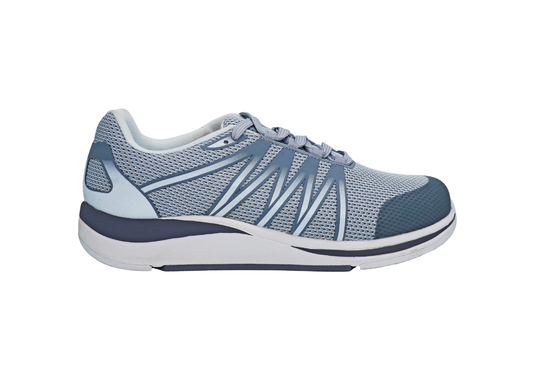
For women seeking quality orthopedic footwear, Ortho Shoes specialises in a dedicated collection that addresses these needs, particularly for those dealing with diabetic foot care, heel pain, and arthritis.
Which Orthopedic Shoes Are Best for Diabetic Foot Care in Women?
For diabetic foot care, selecting footwear with protective design features is essential. The right shoes reduce friction, accommodate swelling, and lower the risk of skin breakdown.
What Features Should Diabetic Footwear Include for Optimal Protection?
Diabetic footwear should incorporate several key features to ensure protection and comfort:
- Extra Depth and Wide Toe Box: Allows for better circulation and reduces the risk of pressure sores.
- Seamless Interior: Minimizes friction and irritation, which is crucial for sensitive feet.
- Cushioned Insoles: Provide additional comfort and shock absorption, reducing impact during movement.
How Does Specialized Diabetic Footwear Prevent Complications?
Specialized diabetic footwear plays an important role in preventing complications associated with diabetes. The main mechanisms include:
- Seamless Interiors: Help prevent blisters and calluses, which can lead to serious infections.
- Extra Depth and Width: Accommodate swelling and provide a more comfortable fit, reducing the risk of injury.
- Cushioned Footbeds: Enhance comfort and support, making it easier to stay active without discomfort.
Research further underscores the role of appropriate footwear in safeguarding the health of diabetic patients.
Footwear for Diabetic Patients: Comfort & Ulcer Prevention
Footwear should enable a comfortable gait while preserving the biomechanics of a physiological walk. This consideration is especially important for diabetic patients with long‑term complications such as peripheral neuropathy, which alter gait and increase vulnerability to foot ulceration. Poorly fitting shoes can precipitate skin breakdown and contribute to ulcer formation. The role of footwear in the prevention of diabetic foot problems, 2012
How to Choose the Right Orthopedic Walking Shoes and Sandals for Women?
Choosing walking shoes or sandals requires identifying features that deliver consistent support and all‑day comfort.
What Are the Differences Between Orthopedic Sandals and Walking Shoes?
Orthopedic sandals and walking shoes serve different purposes, and understanding their differences helps in choosing the right option:
- Orthopedic Sandals: Designed for breathability and ease of wear, they often feature adjustable straps and arch support, making them ideal for casual outings.
- Walking Shoes: More structured, providing additional support and cushioning for longer walks or more rigorous activities.
For those considering orthopedic sandals, further resources highlight their benefits for pain relief and arch support.
Orthopedic Sandals for Women: Pain Relief & Arch Support
These sandals are intended to relieve foot pain, support the arches, and promote more natural movement. The guide reviews two highly rated orthopedic recovery sandals designed to address common foot ailments and help users remain comfortable during warmer months. Orthopedic Sandals for Women/Men: Walk Pain-Free to Summer
Which Comfort Features Enhance Mobility and Foot Pain Relief?
When selecting orthopedic footwear, look for comfort features that enhance mobility and relieve foot pain:
- Arch Support: Essential for maintaining proper foot alignment and reducing strain.
- Cushioned Soles: Absorb shock and provide comfort during prolonged wear.
- Adjustable Straps: Allow a customised fit, accommodating various foot shapes and sizes.
Studies on footwear comfort provide useful insights into design features that contribute to optimal support and wearer satisfaction.
Footwear Comfort: Design Features for Optimal Support
The literature indicates three broad conclusions: (i) simple visual analog scales can give a reliable overall assessment of comfort, (ii) well‑fitted, lightweight shoes with soft midsoles and curved rocker‑soles are generally perceived as most comfortable, and (iii) the roles of sole flexibility, shoe microclimate, and insoles are less clear and appear specific to the population, setting, and task.
Footwear comfort: a systematic search and narrative synthesis of the literature, HB Menz, 2021
What Should Women Look for When Selecting the Best Orthopedic Shoes?
When selecting orthopedic shoes, women should consider a few key factors to ensure they choose the best option for their needs:
- Fit and Comfort: Ensure the shoes fit well and provide adequate support without being too tight.
- Material Quality: Look for breathable materials that allow airflow and help control moisture.
- Style and Design: While functionality is key, finding a style that suits personal taste can encourage regular use.
For women seeking specialised support, women's orthopedic shoes offer tailored design choices. Prioritising fit, materials, and supportive features helps ensure footwear both protects foot health and integrates into everyday life.
Frequently Asked Questions
What should I consider when buying orthopedic shoes online?
Check the manufacturer's sizing guide and measure your foot before ordering, since sizes vary by brand. Read customer reviews for real‑world feedback on fit and comfort. Confirm the return and exchange policy in case the fit is wrong. Note the materials used — breathable fabrics help manage moisture. Finally, match the shoe's features to any specific foot conditions you have.
How often should I replace my orthopedic shoes?
Replace orthopedic shoes every 6 to 12 months depending on wear and frequency of use. Look for flattened soles, reduced cushioning, or visible damage as signs it's time for a new pair. Regular replacement helps maintain the support your feet need, particularly when managing chronic foot issues.
Can orthopedic shoes be stylish as well as functional?
Yes. Many manufacturers now combine supportive construction with modern styling. Look for brands that balance ergonomic features with contemporary designs and a variety of colours and materials so you can protect your feet without sacrificing appearance.
Are there specific brands known for quality orthopedic shoes for women?
Several brands are well known for producing supportive footwear for women, including New Balance, Vionic, and Orthofeet. Brands such as Clarks and Skechers also offer options that blend style with orthopaedic features. Research and read reviews to find a brand and model that suit your foot health needs and style preferences.
How can I ensure my orthopedic shoes provide adequate support?
Look for built‑in arch support, cushioned insoles, and a firm heel counter. The shoes should fit snugly without compressing the foot and allow natural movement. Assess the construction — a well‑structured shoe helps maintain alignment. When in doubt, consult a podiatrist or footwear specialist for personalised advice.
What are the best practices for breaking in new orthopedic shoes?
Break in new orthopedic shoes gradually. Start with short indoor sessions and increase wear time daily to allow your feet to adapt to new support and cushioning. Use softer surfaces at first and stop if you experience persistent pain; seek specialist advice to confirm the fit if problems continue.
