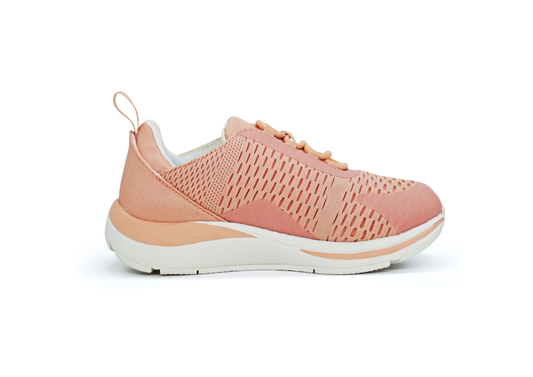
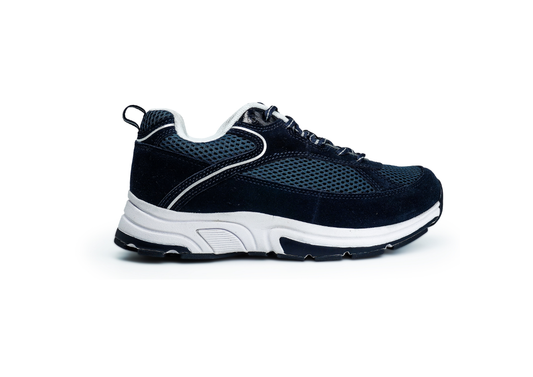
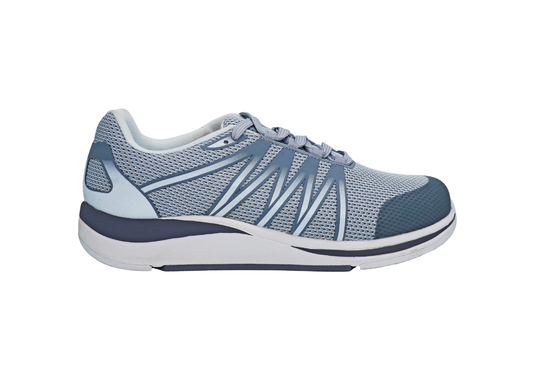
Top 5 Shoes for Post-Knee Replacement Recovery
You’ve completed the hard work of surgery and physical therapy, yet the most crucial tool for protecting your joint isn't in the gym—it’s sitting right in your closet. Finding the best shoes after knee replacement turns everyday footwear into a vital medical device.
Following a major operation, your brain and your new joint are still learning how to communicate. Rehabilitation experts explain that proper shoes act as a physical translator, safely guiding your movements. This connection makes selecting supportive walking footwear essential for preventing falls and restoring balance.
The Wear Pattern Trap: Why New Shoes Are Mandatory
You likely have favorite sneakers waiting by the door. While they feel wonderful, wearing them now is a hidden trap. Before surgery, you probably walked with an uneven stride to avoid pain. Over time, that altered walk permanently ground down the edges of your soles.
Old soles force your straightened leg back into old habits, risking foot pain and "wear pattern sabotage." Set your shoes on a flat table and look at them from behind. If the heels lean, throw them away. Your new knee needs a brand-new, untouched platform for proper alignment.
The 3-Point 'Twist and Bend' Safety Check
Before putting weight on your new knee, ensure your footwear acts as a supportive brace. Perform this quick audit on any potential pair:
1. The Twist Test: Hold the heel and toe and wring it like a towel. It must have strong lateral stability and "fight back" to prevent your foot from rolling.
2. The Bend Test: Press the toe upward. It should only flex at the ball of the foot, never in the middle arch.
3. The Heel Squeeze: Pinch the back cup (the heel counter). This must be rigid to lock your ankle straight, a feature standard in men's orthopedic shoes and women's styles.
Top 5 Footwear Solutions for Recovery
|
Model
|
Best For
|
Key Recovery Feature
|
|
Hoka Bondi
|
Impact Protection
|
Maximum shock absorption and a gentle rocker bottom.
|
|
Brooks Adrenaline
|
Stability
|
Exceptional side-support to keep the ankle from tilting.
|
|
Skechers Hands-Free
|
Limited Mobility
|
Rigid heel allows you to step in without bending.
|
|
New Balance 990
|
Custom Orthotics
|
Wide, deep base to fit orthotic inserts.
|
|
MBT
|
Gait Retraining
|
Pronounced rocker sole to roll the foot forward naturally.
|
For many patients, rocker bottom shoes are a game-changer because they reduce the amount of bending required from the healing knee during each step.
FAQ: 10 Common Questions About Shoes After Knee Surgery
1. Why can't I wear my old "broken-in" sneakers? Old sneakers carry your pre-surgery gait. Wearing them forces your new joint to align with your old, painful walking habits.
2. What are "rocker soles"? Found in many heel pain shoes, these curved soles roll your foot forward, minimizing the strain on your knee and ankle.
3. Are slip-on shoes safe after surgery? Only if they have a rigid heel. Avoid flimsy slippers; look for orthopedic slip-ons that offer a "hands-free" entry but stay secure once on.
4. How does swelling affect shoe size? Post-operative edema can make your foot "taller" and wider. Choose extra depth shoes to accommodate this fluid.
5. Is Medicare coverage available for these shoes? If you have complications like diabetes, you may qualify for coverage under the Therapeutic Shoe Bill. Check with your doctor.
6. When should I buy new shoes? Wait until your swelling stabilizes (usually around 4 weeks), and always shop in the late afternoon.
7. Why is a rigid heel counter important? It stabilizes the heel bone, which prevents the ankle from rolling and sending uneven stress up to your new knee joint.
8. Do I need custom orthotics? If your knee alignment remains a challenge, your doctor may prescribe custom inserts to level your foundation.
9. Can I wear these shoes indoors? Yes. Hardwood and tile floors are jarring; supportive house shoes protect your joint even when you aren't outside.
10. How do I know if the shoe is too heavy? If you find yourself dragging your toes, the shoe is likely too heavy. Modern orthopedic sneakers use lightweight foams to prevent fatigue.
Your 7-Day Integration Plan
To allow your muscles to adapt to proper alignment in stability shoes, follow this schedule:
● Days 1-2: 15 minutes of indoor wear.
● Days 3-4: One hour around the house.
● Days 5-6: Half-day of errands.
● Day 7: Full-day use as comfort allows.
By prioritizing steady progression and joint-safe footwear, you will achieve your recovery goal: a confident, pain-free stride.