Top Sugar Patient Footwear: Diabetic Shoe Guide
Managing high blood sugar changes the rules of skin integrity. Because elevated glucose acts like a slow delivery service in the body, podiatrists note it often delays the vital "repair kits" needed to heal even minor cuts. Imagine walking all day with a pebble in your sneaker, completely unaware of the friction—this is the reality for many.
Rather than simple fashion accessories, your shoes must become a personal bodyguard for your feet. Quality sugar patient footwear acts as protective medical equipment, shielding you from everyday hazards while grocery shopping or walking the dog. Securing your independence means aiming for one specific milestone: zero skin breaks. Ultimately, preventing foot ulcers with proper orthopedic footwear keeps you moving freely and comfortably.
The Numbness Trap: Why Your Feet Can't Tell You They're Hurting
While high blood sugar affects the whole body, its impact on nerve endings creates a hidden danger. Finding safe diabetic footwear for foot protection becomes vital when your natural warning signs fade.
Pain acts as a protective smoke detector. Elevated sugar eventually "unplugs" this detector, causing neuropathy (nerve numbness). Without that built-in alarm, a tiny scrape from a tight shoe can silently turn into a severe health hurdle. Because you cannot rely on physical feeling, you need constant protection, like a soft diabetic slipper, to prevent accidental scrapes around the house.
Upgrading to specialized orthopedic shoes for neuropathy gives your feet the stable, pressure-reducing support they require to thrive.
The 'Safe Shoe' Checklist: 7 Orthopedic Features That Prevent Injuries
When comparing therapeutic vs. regular walking shoes, ordinary options might feel cozy while still hiding internal dangers. Orthopedic specialists look for these specific elements:
-
Wide Toe Box: Prevents toes from rubbing or pinching.
-
Seamless Linings: Internal stitching is a hidden enemy that scrapes fragile skin.
-
Extra Depth: Provides room for custom orthotics or thick insoles.
-
Removable Insoles: Allows for prescribed inserts like the Aaron Comfort Orthopedic Shoes.
-
Firm Heel Counter: Stabilizes the rearfoot to reduce wobble.
-
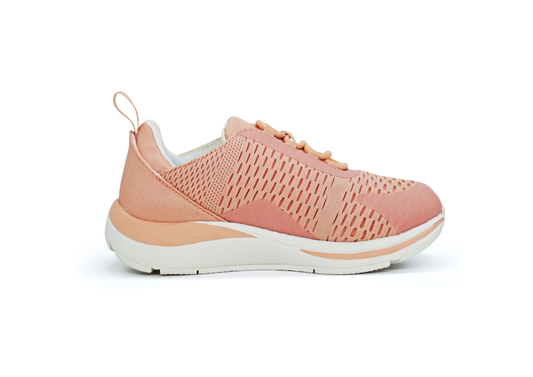
Rocker or Shock-Absorbing Soles: Lowers forefoot pressure; see the Balance Running Shoes for Women.
-
Adjustable Straps: Handles natural evening swelling safely.
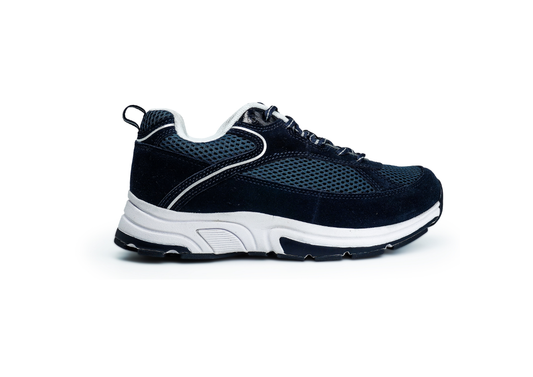
For those needing active gear, the Sprinter Orthopedic Athletic Shoe or the Player Men's Orthopedic Walking Shoes provide this essential "fortress" against friction.
Indoor Safety: Orthopedic Slippers and Diabetic Chappals
Walking barefoot is a leading cause of home foot injuries. Simply pivoting on a carpet creates "shear force"—sideways friction that damages fragile skin. Whether you are searching for diabetic footwear for men or diabetic footwear for ladies, a safe indoor option is mandatory.
A proper diabetic chappal or slipper must include:
-
Non-slip soles for kitchen safety.
-
Arch support to reduce strain, like the Roman Mens Slippers.
-
Contoured footbeds to spread weight evenly.
For warmer climates, choose sandals for diabetic patients that feature supportive uppers and adjustable fastening so the foot does not slide.
The 4 PM Rule: Timing Your Shopping for the Perfect Fit
Your feet get larger by the end of the day due to gravity and peripheral edema. To avoid buying shoes that become too tight by dinner, always shop after 4 PM.
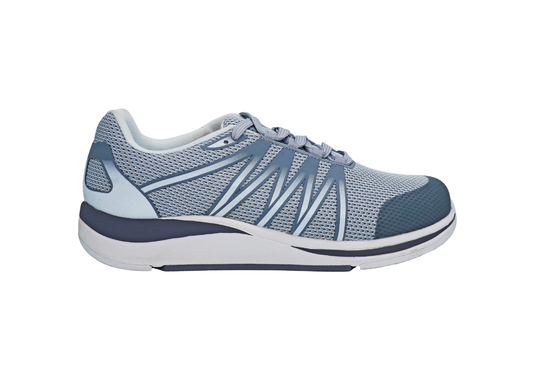
When testing diabetic walking shoes for women, use the "one-finger" test: you should fit one index finger between your longest toe and the tip of the shoe. Whether you are looking for Prince Men's Orthopedic Footwear or slip-ons like the Pursuit Womens Orthopedic Shoes, a professional measurement ensures your gear acts as medical protection.
A 2-Minute Daily Habit for Lifetime Mobility
Finding the right diabetic foot shoes is just the beginning. To achieve zero skin breaks, follow this evening routine:
-
Look: Use a mirror to inspect the bottoms of your feet for red marks.
-
Feel: Check for "hot spots" or unusual warmth caused by rubbing.
-
Touch: Ensure there is no trapped moisture between toes.
Q&A: Orthopedic Footwear for Diabetics
1. Are “diabetic shoes” and “orthopedic shoes” the same?
They overlap. Diabetic shoes focus on seamless interiors and skin protection, while orthopedic shoes focus on alignment. The best gear, like the Victor Mens Footwear, does both.
2. Are sandals safe for diabetics in India?
Yes, if they are structured. Options like the Sawyer Womens Orthopedic Sandal or the Buttercup Sandal provide the necessary depth and stability that flat flip-flops lack.
3. When should I replace my shoes?
Replace them when the tread is uneven or the midsole feels compressed. Even if they "look fine," worn-out arthritis footwear loses the ability to offload dangerous pressure.
By combining daily vigilance with high-quality gear like Light Mens Orthopedic Footwear, you can protect your mobility for a lifetime.