


Women’s Orthopedic Shoes: How to Choose the Right Pair
Women’s Orthopedic Shoes: Foundation for Your Body
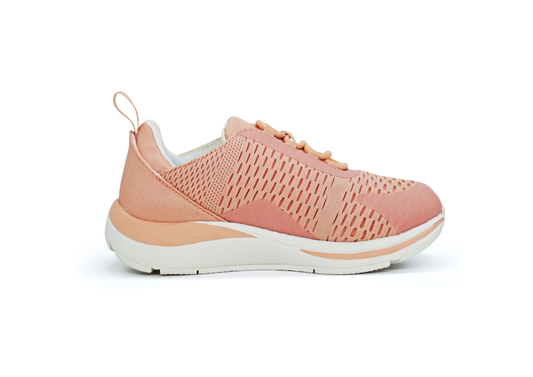
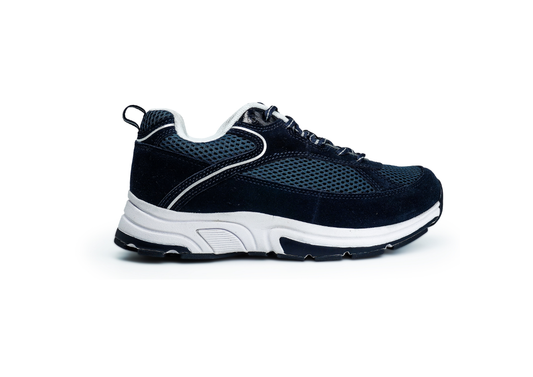
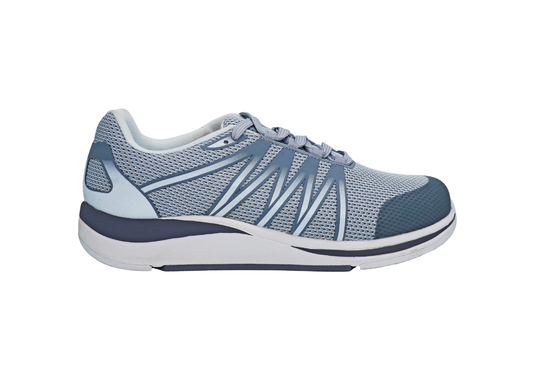
Has ending your workday feeling like you can't take another step become your "normal"? Your feet are like the foundation of a house; if this base gives way, the rest of the structure inevitably suffers. True foot pain relief directly results in better body posture correction and less back strain. Modern women's orthopedic shoes prioritize functional design over an outdated clinical look, providing protective cushioning and greater joint stability.
Is Your Shoe 'Comfy' or Actually Orthopedic?
Superficial softness rarely stops fatigue at the end of the day. A true orthopedic shoe functions as a solid foundation that stabilizes your entire posture. Perform this quick physical test to evaluate structural integrity:
● The twist test: Hold the shoe by the ends and twist it like a towel. If it gives easily, it lacks crucial mid-foot stability.
● The heel squeeze: Squeeze the back; a firm "heel counter" locks your ankle upright to prevent wobbling and knee aches.
● The flex: The sole should only bend at the toe area, never in the middle.
Internal design must offer removable insoles to accommodate custom orthotics for personalized treatment.
Solving Plantar Fasciitis and Bunions
Structural relief for morning heel pain comes from using plantar fasciitis shoes, which act as a "load bridge" to redistribute body weight.
● Bunions: Choosing wide toe box shoes eliminates constant friction against the affected joint and allows toes to spread naturally.
● Heel Spurs: Heel pain shoes often integrate "rocker bottoms"—curved soles that gently propel your stride forward so the shoe absorbs the impact instead of your bones.
● Diabetic Care: Specialized diabetic footwear utilizes breathable materials and seamless linings to prevent dangerous friction and blisters.
● Joint Stability: Arthritis footwear focuses on pressure redistribution and stability to protect sensitive joints.
The Perfect Fit: Measuring at Home
Circadian swelling—the natural increase in foot volume after hours of activity—can make morning shoes feel tight by afternoon. To ensure a proper fit:
1. Strategic timing: Always measure and try on shoes at the end of the day.
2. Standing test: Stand up when trying them on, as weight expands the foot structure to its maximum.
3. Frontal freedom: Ensure you can wiggle your toes freely in the toe box.
4. Heel test: Walk to confirm the back does not slip.
FAQ: 10 Common Questions About Women's Orthopedic Shoes
1. Why do I need a rigid heel counter? It locks the ankle upright, preventing the inward rolling (overpronation) that causes knee and back pain.
2. Can I find stylish orthopedic shoes? Yes, modern stylish orthopedic shoes camouflage therapeutic features like arch support within professional designs.
3. What is a rocker sole? A curved bottom that rolls the foot forward, reducing strain on the heel and toe joints.
4. What features help with flat feet? Prioritize a firm midfoot shank for torsional rigidity and a structured arch profile.
5. Are "medicated" shoes different from orthopedic shoes? "Medicated" is often a retail term; the real value is in structural control and risk reduction.
6. How often should I replace my shoes? Reassess every 6–12 months, or when the outsole is uneven or the shoe fails the torsion test.
7. Do these shoes help with back pain? Yes, by correcting your foundation, they reduce the "kinetic chain" stress that travels to your back.
8. Can I use custom orthotics in these shoes? Yes, provided the shoe has removable insoles to accommodate the extra volume.
9. What about men's options? Biomechanical support is universal; men can find similar integrity in men's orthopedic shoes.
10. How do I break in new orthopedic footwear? Use a gradual adaptation plan, wearing them for just a few hours daily for the first three days.
