
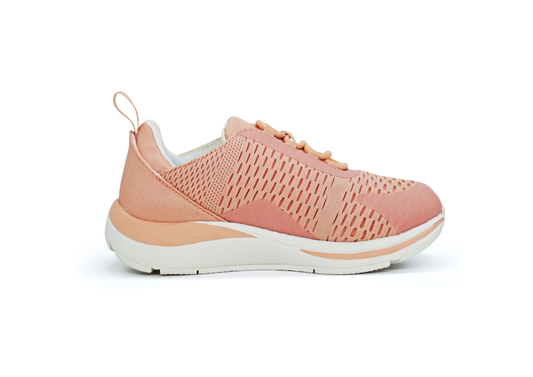
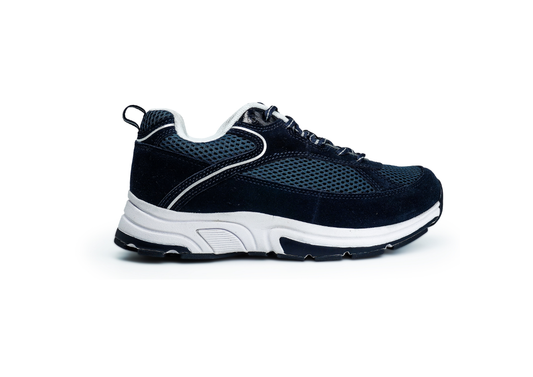

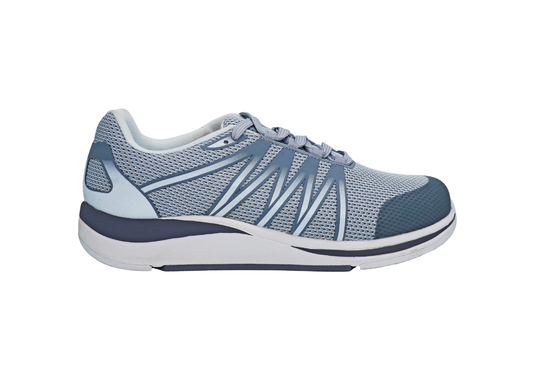

Flat Gym Shoes: Boost Your Workout Performance
However, a massive shift is happening in the world of fitness. Today, more strength athletes and casual lifters alike are trading their squishy runners for flat gym shoes.
But why the sudden change? The secret lies in biomechanics, structural stability, and the way our feet interact with the floor. Choosing the right gym footwear can literally make or break your workout. From an orthopedic perspective, the goal is healthier alignment from the ground up—impacting your feet, ankles, knees, hips, and lower back. Whether you are aiming to hit a new PR or want to exercise pain-free, understanding what goes on your feet is vital.
The Core Mechanics: Zero Drop vs. Heel-to-Toe Drop
When discussing modern gym sneakers, you will often hear the term "heel drop." This refers to the height difference between the heel and the forefoot. Traditional running shoes typically feature a high heel-to-toe drop, sloping downward to propel the runner forward. While great for the pavement, it is counterproductive in the weight room.
Understanding the debate between zero drop vs. heel-to-toe drop is crucial for lifting. Zero-drop shoes feature a completely flat profile, keeping your heel and toes at the same distance from the ground. This mimics barefoot mechanics and creates a neutral alignment that forms the foundation of a safe, powerful lift.
The Transformative Power of Flat Soles
Switching to flat training shoes is a biomechanical upgrade. Here is how they optimize your body for lifting:
-
Maximum Stability and Balance: Cushioned soles create an unstable surface—like trying to overhead press while standing on a mattress. A flat sole provides a firm, unyielding base, improving ankle stability with non-cushioned sneakers.
-
Enhanced Proprioception: Your feet have thousands of nerve endings. Thick foam mutes these signals. Flat shoes enhance ground tactile feedback, allowing you to "root" your feet into the floor to recruit more muscle fibers.
-
Natural Foot Splay: Many flat gym shoes feature a wide toe box. This allows your toes to spread naturally, engaging the arches and transforming your foot into a powerful tripod of support.
Weightlifting Wonders: Squats, Deadlifts, and Force Transfer
If you wonder why wear thin soles for weightlifting, the answer is physics. When you push against the ground, you want 100% of that force to travel up your legs. Soft soles absorb and "leak" this energy.
For heavy, compound movements, rigid outsoles are recognized as the best footwear for deadlifting and squats. They prevent heel lift and keep your weight centered over your midfoot, naturally correcting lifting form with zero-drop soles.
Orthopedic Lens: When Flat Helps—and When It Doesn’t
Flat gym shoes align with orthopedic principles by reducing instability. However, "flat" isn't a one-size-fits-all solution.
Where Flat Gym Shoes Excel:
-
Stable Kinetic Chain: Keeps ankles and knees from wobbling.
-
Forefoot Relief: Roomy toe boxes help those dealing with bunions or hammertoes. For those needing specialized support, browsing a collection of womens shoes orthopedic can offer the right balance of space and stability.
When You May Need More Support:
-
Plantar Fasciitis: If you suffer from acute heel pain, you may need a dedicated plantar fasciitis shoes plan that involves temporary arch support.
-
Limited Ankle Mobility: Some lifters benefit from a slight heel lift to achieve proper squat depth without compromising their lower back.
Pro Tip: If you have persistent pain, consult a specialist. The most “orthopedic” choice is the one that keeps you training consistently without flare-ups.
Navigating the Market: From Classics to Modern Engineering
The market for gym shoes is incredibly diverse. Whether you are looking at mens shoes orthopedic options or specialized trainers, consider your routine.
-
Powerlifting: A hard, flat sole is non-negotiable.
-
Cross-Training: You may need a hybrid shoe with a flat heel but a flexible forefoot.
-
Barefoot Shoes: These offer maximum flexibility but require a dedicated adjustment period to build foot strength.
In regions like India, the demand for therapeutic shoes and specialized gym gear is skyrocketing as lifters prioritize biomechanics over flashy aesthetics.
How to Transition to Minimalist Training Footwear
Don't ditch your cushioned shoes overnight. To avoid strain on your Achilles tendon, follow these steps:
-
Start Slow: Wear flat shoes during warm-ups or upper body days first.
-
Stretch Your Calves: Zero-drop shoes require greater ankle mobility.
-
Listen to Your Body: Mild muscle soreness is normal; sharp joint pain is a sign to dial back.
For those who need a comfortable daily walker to complement their gym progress, stable mens orthopedic walking shoes can help maintain foot health outside the weight room.
Final Thoughts on Upgrading Your Training Shoes
Your feet are the foundation of every movement. Investing in high-quality flat gym shoes is one of the fastest ways to improve performance and safety. Whether you prefer the retro look of canvas high-tops or the precision of orthopedic athletic shoes, making the switch to flat soles will change the way you lift.
Root your feet, find your balance, and train with confidence.
