


Stylish Orthopedic Rubber Shoes for Men | Top Picks
Top 10 Stylish Rubber Shoes for Men: Combining Aesthetics and Orthopedic Support
You’ve likely spent good money on sneakers that looked great, only to have your arches scream after two hours on your feet. That sharp aching is a classic foot-fatigue signal. It’s exactly why orthopedic footwear principles—support, stability, and shock absorption—matter even when you’re shopping for style.
Smart shoppers evaluate footwear using the “cost-per-wear” metric. Investing slightly more upfront in durable rubber shoes for men that hold their shape and cushioning can cost less over time than replacing thin, easily worn-out pairs every few months.
Orthopedic Footwear Essentials: What Actually Makes a Rubber Shoe Supportive?
“Orthopedic” doesn’t have to mean bulky. In practical terms, supportive rubber shoes focus on controlling excess motion while distributing pressure more evenly across the foot. Look for these non-negotiables:
-
Firm heel counter: The back of the shoe should feel structured, not collapsible, to reduce wobble.
-
Stable midsole: Cushioning should compress and rebound, but not collapse into a "flat pancake."
-
Arch-friendly geometry: Either built-in arch support or a removable insole.
-
Wide, foot-shaped toe box: Space for natural toe splay reduces forefoot pressure.
-
Slip-resistant rubber outsole: Essential for safety on tile and rainy pavements.
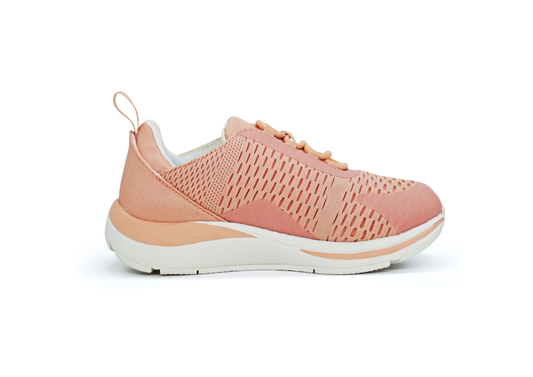
If you already use prescribed inserts, prioritize orthotic-friendly designs. For instance, the Aaron Comfort Orthopedic Shoes for Men offer the necessary depth and structure to accommodate custom insoles without your heel slipping out.
Upper, Midsole, Outsole: Why Your Shoe’s “Sandwich” Construction Matters
Modern rubber shoes act like a three-layer sandwich. The upper secures you, the midsole acts as your shock absorber (often using EVA foams), and the outsole provides the grip.
Flipping your oldest pair over reveals your walking habits through wear patterns:
-
Heels: Outer-edge wear suggests heavy heel striking; you need better shock absorption.
-
Arches: Inner-edge wear signals overpronation; look for flat feet (pes planus) solutions.
-
Toe boxes: Bald spots indicate aggressive push-offs; you need forefoot cushioning.
The 10 Most Stylish Rubber Shoes for Men (Orthopedic-Friendly Picks)
Instead of chasing hype, match your environment to the right traction and support. Here are the top categories for men today:
| Category | Best For | Recommended Feature |
| Stability Sneaker | Daily Walking | Wide base and firm heel counter |
| Max-Cushion Sneaker | Long Workdays | Thicker, energy-returning midsoles |
| Neutral Trainer | Mixed Routines | Balanced cushioning and flexibility |
| Leather Court Shoe | Smart-Casual/Office | Clean aesthetics with therapeutic shoe benefits |
| Orthotic-Ready | Custom Insoles | Deep heel cup and removable sockliner |
| Wide-Fit Sneaker | Forefoot Comfort | True wide sizing (not just stretchy fabric) |
| Slip-Resistant Work Shoe | Wet/Tile Floors | Specialized high-traction rubber compounds |
| Rocker-Sole Shoe | Pressure Relief | Smooth transition to reduce toe-off strain |
| Supportive Sandal | Hot Weather | Contoured footbeds like the Jackson Mens Orthopedic Sandal |
| Structured Clogs | Short Errands | Water-resistant "plastic shoes for mens" with a heel strap |
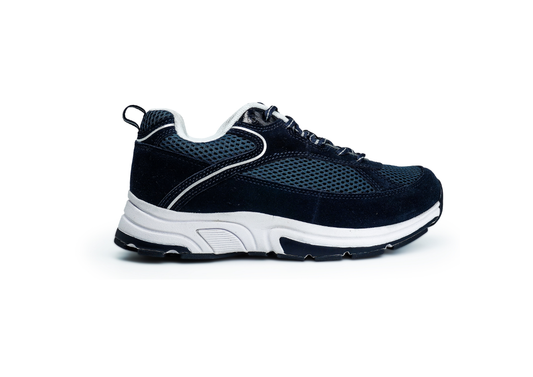
For those managing specific medical conditions, it is vital to choose footwear designed for sensitivity. The Stable Mens Orthopedic Walking Shoes are excellent for those seeking diabetic footwear that doesn't sacrifice a modern, athletic look.
Are Rubber Soles Good for Standing All Day?
Whether rubber soles are good for standing all day depends on the midsole. Ultra-soft shoes feel amazing initially but often lack the sustained support required for concrete floors. If the foam compresses flat, your knees and lower back absorb the shock.
The Thumb Press Test:
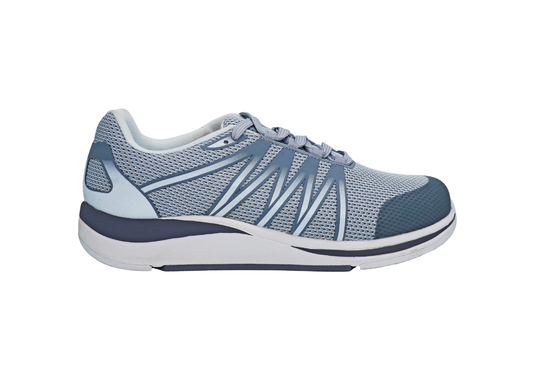
Push into the side of the midsole. You want firm resistance, not a spongy sinkhole. High-density foams, such as those found in the Player Mens Orthopedic Walking Shoes, tend to hold up better for long-term comfort.
The 5-Minute Refresh: Preventing White Rubber from Turning Yellow
Nothing ages footwear faster than a dingy base. This yellowing is often oxidation caused by sunlight and heat. To keep your mens orthopedic shoes looking new:
-
Mix warm water with mild soap.
-
Scrub the rubber with a soft toothbrush.
-
Wipe dry with a microfiber cloth.
-
Pro Tip: Store them in a cool, dark place to preserve the chemical integrity of the rubber.
Orthopedic Q&A: Rubber Shoes for Men
1. Can rubber shoes help with plantar fasciitis?
Yes, provided they have a rigid midfoot and ample heel cushioning. You can browse specific plantar fasciitis shoes to find styles that target this pain.
2. Are “plastic shoes for mens” okay for daily wear?
They are convenient for rain or gardening, but for all-day wear, they often lack the breathability and arch support found in specialized orthopedic rubber shoes.
3. When should I replace them?
Replace your shoes when the tread is worn smooth or you feel a noticeable decrease in "bounce," which usually happens every 300–500 miles.
Expert Guide: Transitioning to orthopedic-smart style doesn't mean giving up your favorite looks. By choosing stylish orthopedic footwear, you protect your joints while maintaining a modern edge.
