
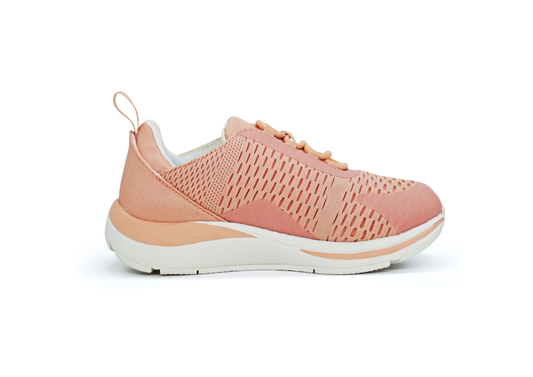
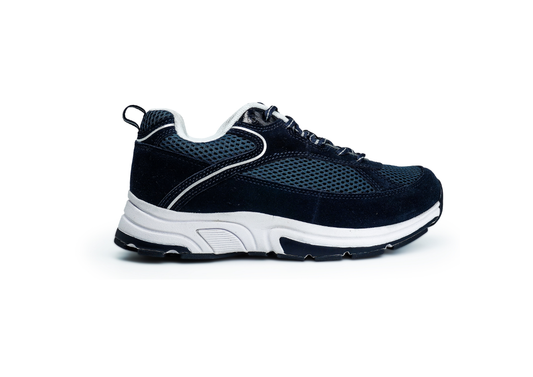

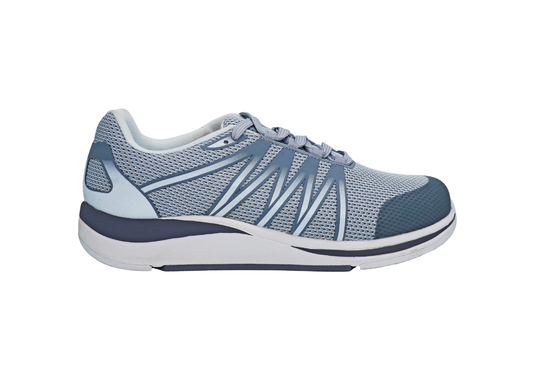

Top Lace-Free Walking Shoes: Best Slip-On Picks
Top 5 Best Lace-Free Walking Shoes: Ultimate Comfort & Support
We've all had those mornings where bending over to double-knot a pair of sneakers feels like a chore you never actually signed up for. Industry experts often refer to this daily hassle as "footwear friction"—those small, annoying hurdles that delay you from simply getting out the door. According to basic time-motion studies, swapping a traditional tying routine for a quick step-in process can save meaningful time across a week.
Beyond just reclaiming a few extra minutes of your morning, eliminating the need to wrestle with strings can also reduce strain on the body. For anyone dealing with lower back discomfort, recovering from a knee injury, or managing limited mobility, leaning down to pull tight knots can be the most uncomfortable movement of the day. Upgrading to easy to wear shoes for limited mobility transforms that frustrating physical hurdle into a smooth, far less demanding motion.
Slip-on vs. Lace-up: Does 'No Laces' Mean 'No Support'?
There is a common misconception that abandoning traditional fasteners means sacrificing the secure fit needed for a brisk afternoon walk. Modern textile engineering has entirely rewritten those old rules. Thanks to clever designs featuring elastic tension and reinforced heel cups, walking shoes without laces deliver hands-free entry without a "sloppy" fit.
Traditional laces can create painful pressure points across the instep. In contrast, modern orthopedic walking shoes for men use materials that adapt to your foot's natural shape. Comparing the two reveals how slip-ons achieve stability:
-
Elastic Tension: Uses a breathable, stretch-knit upper for a uniform "hug" that accommodates mild swelling.
-
Heel Cradling: Employs a structured heel cup that anchors the foot and reduces slip.
-
Midsole Rigidity: Provides the necessary foundation for those seeking plantar fasciitis shoes that offer pressure relief.
How to Identify a Walking Shoe from a Simple House Slipper
When learning how to choose supportive slip-on shoes, the first rule is prioritizing durability. A hidden "skeleton" separates sturdy designs from flimsy slippers. You can evaluate any shoe using the 3-Step Stability Check:
-
The Twist: Hold the toe and heel; it should resist twisting (torsional rigidity).
-
The Bend: The shoe should flex at the ball of the foot, not fold in half.
-
The Squeeze: The heel cup should feel firm to maintain proper alignment.
For those requiring professional-grade support, many mens orthopedic shoes feature removable insoles, making them the perfect shoes for flat feet where custom orthotics are needed.
Top 5 Lace-Free Picks for Every Lifestyle

1. The Neighborhood Favorite: Skechers GoWalk Evolution
Slipping into these shows why they lead the market. They feature a seamless, one-piece upper that reduces friction points. This makes them excellent lightweight travel shoes for busy routines.
2. The Orthopedic Powerhouse: Vionic Miles Active
Designed to guide the foot into a stable position, these are a top choice for those who overpronate. Instead of relying on strings, the interior shape cradles the arch, making them a standout for heel pain shoes.
3. The Hands-Free Innovator: Kizik
Kizik utilizes a "rebound" heel technology that functions like a built-in shoehorn. It is the gold standard for easy entry footwear where bending over is not an option.
4. The Travel Essential: Allbirds Tree Dasher Relays
Crafted from eucalyptus fibers, these offer maximum breathability. They are highly packable, though those needing extra stability should look for stable mens orthopedic walking shoes with broader outsoles.
5. The Senior Specialist: Brooks Addiction Walker V-Strap
For many, shoes for seniors need to be adjustable. The V-Strap replaces laces with hook-and-loop closures, allowing users to fine-tune the fit as feet swell throughout the day.
Laceless Fit Checklist: Get the Perfect Size
You no longer have to choose between the hassle of knots and a secure fit. Use this strategy:
-
Shop in the Afternoon: Feet are at their largest; this prevents buying shoes that become too tight by evening.
-
The Thumb Rule: Ensure a half-inch of space between your longest toe and the shoe tip.
-
Check for Heel Slip: Walk briskly; your heel should stay locked in place.
-
Try with Socks: If you plan to wear diabetic footwear, ensure the shoe accommodates the thickness of specialized socks.
Orthopedic Footwear Q&A
Q: Are lace-free shoes good for arthritis?
A: Yes, especially models designed as arthritis footwear that eliminate the fine motor skills required for tying laces.
Q: Can I wear these without socks?
A: Breathable knits like those in womens orthopedic walking shoes work well, but no-show socks are recommended to prevent blisters.
Q: Which features matter most for elderly men?
A: Slip resistance, easy entry, and stable midsoles are the primary safety priorities. Look for specialized mens orthopedic footwear to ensure maximum traction.
