


Best Post Foot Surgery Shoes for Optimal Recovery
Choosing the Right Post Foot Surgery Shoes
Undergoing foot or ankle surgery is a major step toward living an active, pain-free life. However, leaving the operating room is just the beginning of your journey. The weeks and months following your procedure require careful attention to rehabilitation, and nothing plays a bigger role in your daily mobility than your choice of footwear. Finding the right post foot surgery shoes is not just about comfort; it is about protecting fragile tissues, preventing re-injury, and ensuring a proper healing environment.
In most recovery plans, the safest option is orthopedic footwear designed to stabilize the foot, reduce pressure on vulnerable areas, and support a controlled walking pattern. Whether you are recovering from a bunionectomy, a fusion, or a complex fracture repair, understanding the footwear you will need at every stage of your recovery is essential for a smooth rehabilitation.
The Stages of Foot Surgery Recovery
Depending on the complexity of your procedure, your recovery will happen in distinct, carefully managed phases:
-
Early Phase: Your doctor will likely prescribe strictly non-weight bearing recovery footwear. During this critical window, ensuring absolutely no pressure is placed on the surgical site is vital.
-
Weight-Bearing Phase: You will typically graduate to an orthopedic boot. These specialized medical boots, often called CAM (Controlled Ankle Motion) walkers, are designed to completely immobilize the foot and ankle.
-
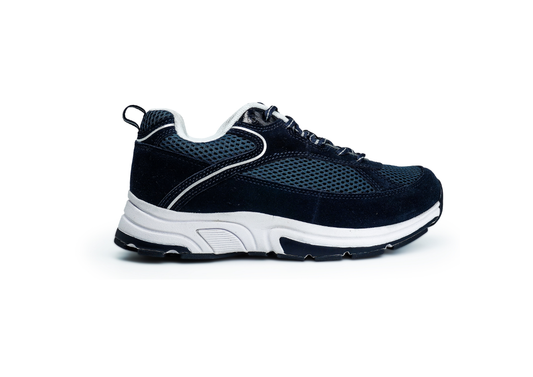
Transition Phase: Once the bone has knitted, you move into high-stability footwear. For men, options like stable mens orthopedic walking shoes provide the necessary structure to begin moving naturally again.
Key Features of Effective Post-Op Footwear
When it is time to start putting weight on your foot again, standard everyday shoes simply will not work. Your foot will likely be swollen, heavily bandaged, and highly sensitive. Look for these critical features:
-
Adjustable Straps: Velcro closures ensure a custom fit regardless of how heavily your foot is wrapped.
-
Square Toe Forefoot Protection: Acts as a bumper to prevent accidental stubbing.
-
Padded Liners: Soft, seamless interiors reduce friction against sensitive stitches.
-
Rocker Bottom Sole: A curved sole allows for a smooth walking motion without forcing your toes to bend.
-
Non-Skid Tread: Crucial to prevent slips while your balance is temporarily altered.
To manage the inevitable fluid buildup, many surgeons recommend diabetic footwear or compression garments that work in tandem with your recovery shoes to keep throbbing pain at bay.
Understanding Sole Types: Rigid vs. Flexible
In the early stages of weight-bearing, a rigid sole is non-negotiable. It essentially splints the foot so bones can knit undisturbed. However, as you strengthen, you will transition to more flexible options.
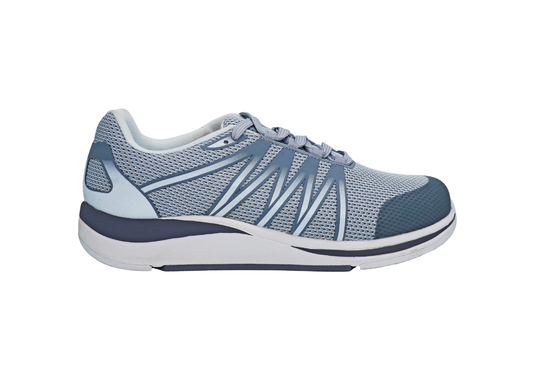
For women, chippy comfort orthopedic walking shoes offer a great balance of protection and the subtle flexibility needed to re-engage arch muscles. Men may find that player mens orthopedic walking shoes provide the necessary gait stabilization during this mid-recovery point.
Transitioning: From Boots to Everyday Sneakers
The transition from a medical boot to a shoe should be a gradual "stepping stone" process. You need podiatry approved transition footwear that bridges the gap between bulky medical gear and everyday fashion.
Recommended Transition Models:
-
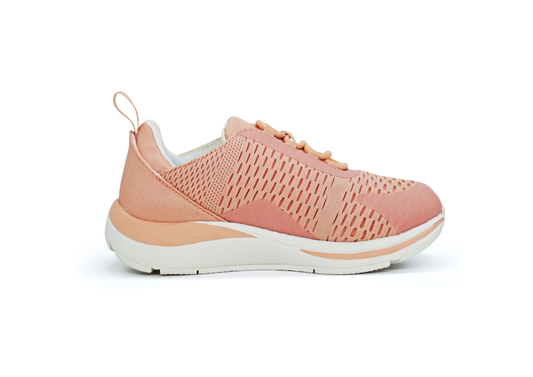
For Women: The balance running shoes womens provide a wide toe box to accommodate lingering end-of-day swelling.
-
For Men: The aaron comfort orthopedic shoes for men offer the structural arch support weakened muscles desperately need.
Essential Maintenance and Care Tips
Knowing how to clean medical braces and orthopedic shoes is vital for preventing post-operative skin infections.
-
Liners: Remove and hand-wash with mild antibacterial soap.
-
Air Dry: Never trap moisture against a healing incision.
-
Wipe Exteriors: Keep treads clear of debris to ensure non-skid effectiveness.
For indoor recovery where a full shoe isn't required, a breezy slipper footwear for women or slippers roman mens can provide a clean, supportive environment for the foot while lounging.
Orthopedic Footwear Q&A
| Question | Answer |
| Can I drive in a boot? | Driving in a boot is often unsafe. Always ask your surgeon for clearance first. |
| Should I use orthotics? | Only if recommended. Some flat feet orthopedic solutions are built into the shoe already. |
| What if I have heel pain? | Specialized heel pain shoes can help offload pressure during the final stages of recovery. |
Final Thoughts
Recovering from foot surgery is a marathon, not a sprint. By prioritizing the right features—from durable tread to protective liners—you set yourself up for a faster, more comfortable healing process. Always follow your medical team's advice and invest in high-quality gear like womens orthopedic sneakers to ensure you return to your normal routine with confidence.
