
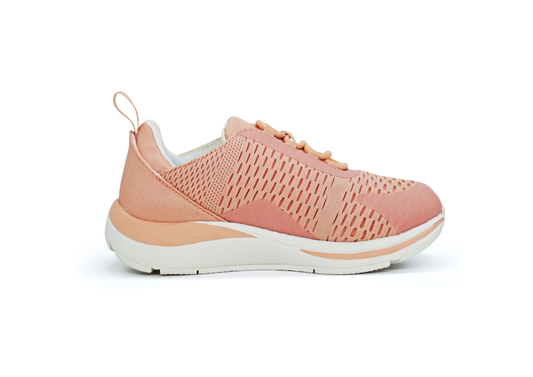
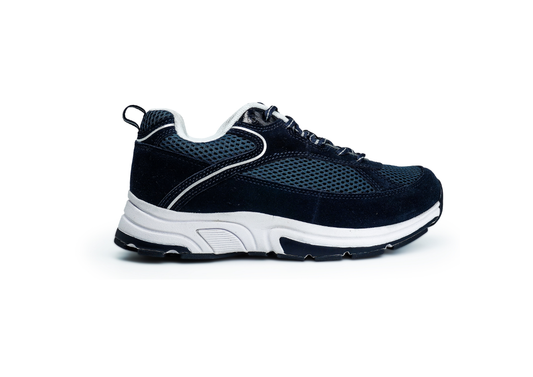

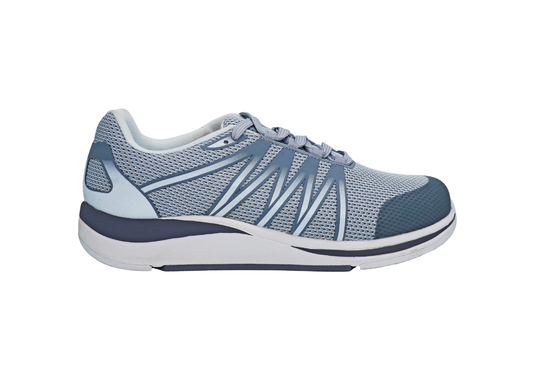

Do Wrong Shoes Worsen Arthritis? Key Footwear Tips
Can the Wrong Shoes Worsen Arthritis Expert Guide
Arthritis can be a painful and debilitating condition. It affects millions of people worldwide. Managing arthritis involves various strategies, including proper footwear.
The shoes you wear can significantly impact arthritis symptoms. Wearing the wrong shoes may worsen pain and discomfort. This is especially true for arthritis affecting the feet, knees, and hips.
Choosing the right footwear is crucial for arthritis management. Supportive shoes can help alleviate symptoms. They provide necessary cushioning and support.
High heels and unsupportive flats can exacerbate arthritis symptoms. They may increase pressure on joints and lead to further pain. Proper footwear can improve balance and reduce fall risk.
Custom orthotics can be a valuable addition to arthritis foot care. They offer personalized support and comfort. Consulting with a podiatrist can help in selecting the right shoes.
This guide will explore how footwear affects arthritis. It will provide tips for choosing the best shoes. Let's take steps toward better arthritis foot health.
Understanding Arthritis and Its Impact on the Feet
Arthritis is a term for joint inflammation. It comprises various conditions, each with unique symptoms. Osteoarthritis and rheumatoid arthritis are the most common types.
Osteoarthritis involves the wear and tear of joint cartilage. This breakdown leads to pain, stiffness, and swelling. It commonly affects the knees, hips, and hands.
Rheumatoid arthritis is an autoimmune condition. The immune system attacks healthy joints, causing inflammation. It often affects the same joints on both sides of the body.
Both types of arthritis can affect the feet. This results in discomfort and challenges with mobility. Proper foot care is essential to manage these symptoms effectively.
Arthritis in the feet can cause various issues:
-
Pain and swelling in toes and heels
-
Reduced joint flexibility
-
Difficulty in walking or standing

Walking and mobility can become challenging with arthritis. Pressure on the joints can worsen symptoms. This can lead to a decreased quality of life.
The severity of symptoms varies from person to person. Some may experience mild discomfort, while others face significant pain. Understanding these differences is crucial for effective management.
Proper footwear can play a vital role in managing foot arthritis. Supportive and well-fitted shoes can reduce strain on joints. They also help in preventing further damage and maintaining mobility.
How Footwear Affects Arthritis Symptoms
Footwear plays a crucial role in managing arthritis symptoms. The right shoes can significantly alleviate discomfort. Conversely, improper footwear can exacerbate pain and swelling.
Supportive footwear is essential for individuals with arthritis. Shoes with good arch support stabilize the feet. This helps in distributing body weight evenly and reduces joint stress.
Poorly fitted shoes can worsen arthritis symptoms. Shoes that are too tight can cause additional pressure. Ill-fitting shoes may also lead to blisters and calluses.
Certain features in footwear can directly influence arthritis symptoms:
-
Cushioning absorbs shock and reduces impact on joints
-
Adequate toe box space prevents pressure on toes
-
Breathable materials minimize moisture and irritation

High heels and stiff soles can worsen arthritis symptoms. They increase pressure on the forefoot and alter gait. This can lead to knee and hip pain over time.
The flexibility of the shoe is another important factor. A flexible sole allows for natural foot movement. This flexibility reduces the risk of straining joints and muscles.
Rocker-bottom soles are beneficial for those with arthritis. They aid in smooth transitions during walking. This type of sole reduces pressure on the forefoot and toes.
Footwear that doesn't provide support can impact balance. Many arthritis sufferers may experience increased risks of falls. Proper shoes can improve stability and prevent accidents.
Choosing the right shoes requires careful consideration. Patients should prioritize comfort and fit above style. Consulting with a healthcare professional can be a good starting point.
The Science: Why the Wrong Shoes Can Worsen Arthritis
Understanding the impact of footwear on arthritis involves delving into biomechanics. Feet are complex structures, absorbing shock and providing balance. Poorly chosen shoes can disrupt this system.
Research reveals how footwear alters joint loading. Incorrect shoes can increase stress on arthritic joints. This added pressure often leads to heightened pain and discomfort.
Shoes with inadequate arch support can harm gait mechanics. Flattened arches result in inefficient walking patterns. This can exacerbate joint pain throughout the lower body.

by CHUTTERSNAP (https://unsplash.com/@chuttersnap)
High heels and rigid soles cause unnatural walking movements. Such footwear increases the load on the knees and hips. Over time, this contributes to joint degeneration and inflammation.
There are several factors in why poor shoe choices affect arthritis:
-
Disrupted alignment and posture
-
Increased joint compression
-
Accelerated cartilage wear
Cushioning in shoes acts as a buffer against shock. Hard or rigid soles lack the ability to absorb impact. This results in more force being transferred to the joints.
Another key aspect is the sole's flexibility. Shoes with a rigid sole restrict natural foot movement. This can create strain in the muscles and joints, further worsening symptoms.
The right footwear aids in maintaining proper alignment. Shoes that offer stability can prevent unusual joint movement. This stability reduces stress and helps manage arthritis symptoms effectively.
Proper shoe selection should not be underestimated. It plays an integral role in arthritis management. Consulting with experts can offer guidance tailored to specific needs.
Key Features of Supportive Footwear for Arthritis
Supportive shoes play a pivotal role in managing arthritis symptoms. These shoes can lessen discomfort and improve mobility. Let's explore what makes footwear truly supportive for arthritic feet.
First, consider cushioning. Shoes with ample cushioning can absorb shock, reducing stress on the joints. This feature is essential for individuals experiencing arthritis-related pain.
Arch support is another critical element. Proper arch support stabilizes the foot, preventing undue strain. A well-supported arch aids in distributing weight evenly across the foot.

by Nikola (https://unsplash.com/@bynikolavu)
The width of the shoe is also important. Shoes that accommodate swelling are better for arthritic feet. A wider toe box allows toes to spread naturally, preventing pain from overcrowding.
Heels on supportive shoes are generally low or absent. High heels increase joint pressure, which can exacerbate arthritis symptoms. Low, stable heels ensure better posture and comfort.
Adjustable features, such as straps or laces, enhance fit. These elements allow for customization to accommodate changes in foot size due to swelling. A snug fit minimizes unnecessary movement inside the shoe, thereby reducing irritation.
Breathable materials help maintain foot health. They prevent excess moisture and reduce the risk of fungal infections. Additionally, they keep feet cool and comfortable throughout the day.
To summarize, the key features of supportive footwear for arthritis include:
-
Excellent cushioning
-
Proper arch support
-
Wide toe box
-
Low or flat heels
-
Adjustable closures
-
Breathable materials
When selecting shoes, prioritizing these elements can significantly affect arthritis management. Investing in the right footwear can alleviate pain, facilitate mobility, and enhance daily comfort. This proactive approach to arthritis foot care pays dividends in quality of life.
Best Shoes for Arthritis: What to Look For
Choosing the right shoes for arthritis can make a significant difference in managing symptoms. There are several factors to consider when selecting footwear to ensure comfort and support.
Look for shoes with a soft, flexible sole. These soles help reduce joint stress as they allow the foot to move naturally. Flexibility is key for accommodating the varied movements of the foot.
Shoes with a wide toe box are preferable. This design provides space for the toes to move freely, reducing pressure on sore joints. It's particularly crucial for those with toe joint arthritis.

by Kix Chains (https://unsplash.com/@kixchainss)
Consider the material of the shoe. Leather or mesh materials are often suitable due to their breathability and ability to stretch. These materials adapt to the shape of the foot, offering personalized comfort.
Orthotic-friendly shoes are an excellent choice. They should have removable insoles to accommodate custom orthotics if needed. This feature allows for tailored support specific to individual needs.
A sturdy heel counter is vital for stability. It supports the heel, keeping it aligned and reducing pronation. This helps improve posture and gait, which is beneficial for knee arthritis.
Cushioning is another important consideration. Look for shoes that provide ample cushioning under the ball of the foot and heel. It can help absorb impacts during walking, reducing pain.
Support is paramount. Shoes with good arch support can alleviate foot strain. They help distribute body weight evenly across the foot, which is essential for reducing pain and fatigue.
Finally, opt for shoes with adjustable features. Velcro straps or laces can be modified for a snug, secure fit. This adaptability is beneficial for managing swelling throughout the day.
Key Features to Look for:
-
Soft, flexible soles
-
Wide toe box
-
Breathable, stretchable material
-
Orthotic-friendly design
-
Sturdy heel counter
-
Ample cushioning
-
Good arch support
-
Adjustable closures
When selecting footwear, prioritize these features to enhance comfort and manage arthritis effectively.
Worst Shoes for Arthritis: Styles to Avoid
Not all shoes are suitable for arthritis sufferers. Some styles can worsen symptoms and should be avoided.
High heels are at the top of the list. They shift body weight forward, putting undue stress on the balls of the feet and toes. This pressure can exacerbate joint pain.
Flats without any arch support are also problematic. They offer little to no cushioning or shock absorption, making them unsuitable for daily wear. Unsupported feet can lead to increased pain and fatigue.

by Francesco Ungaro (https://unsplash.com/@francesco_ungaro)
Shoes that are too tight should be avoided. They can restrict blood flow and increase discomfort. A snug fit can lead to pressure spots and exacerbate swelling.
Slip-on shoes often lack the necessary support. Without a way to adjust the fit, they tend to slip off, causing instability. This instability can increase the risk of falls and exacerbate arthritis symptoms.
Lightweight canvas shoes are often not supportive enough. While they may be comfortable initially, they don't provide the needed structural support for arthritic feet. These shoes may fail to hold the foot securely, leading to alignment issues.
Lastly, avoid shoes with hard, non-flexible soles. They fail to accommodate the foot's natural movement, resulting in increased joint pressure. Lack of flexibility can hinder mobility and lead to further joint damage.
Styles to Avoid:
-
High heels
-
Unsupportive flats
-
Tight-fitting shoes
-
Slip-on styles
-
Lightweight canvas shoes
-
Hard, non-flexible soles
Selecting the right footwear is crucial. Avoid these styles to prevent exacerbating arthritis symptoms and ensure better foot health.
Arthritis in the Knees and the Role of Footwear
Knee arthritis can severely affect mobility. The right shoes can help manage this condition by providing essential support.
Footwear directly affects the alignment of the lower body. Improper shoes can worsen knee pain by straining the joints. Shoes without adequate support lead to improper gait and posture.

by Laura Chouette (https://unsplash.com/@laurachouette)
Shock-absorbing soles can lessen the impact on the knees. They reduce stress during activities like walking or standing. This feature is crucial for those suffering from knee arthritis.
A cushioned heel can make a significant difference. It helps in dispersing pressure evenly across the foot. This can alleviate discomfort in the knees.
Wide shoes can offer more stability. Greater stability reduces the risk of falls, critical for managing knee arthritis. A stable shoe enhances balance and ensures a steady stride.
Adjustability is important in footwear for knee arthritis. Shoes with adjustable features like laces or Velcro allow for a customized fit. A proper fit can minimize knee strain.
Key Features for Knee Arthritis:
-
Shock-absorbing soles
-
Cushioned heel
-
Wide base for stability
-
Adjustable fit options
Choosing supportive footwear can improve life quality for those with knee arthritis. The benefits extend beyond comfort to improved mobility and reduced joint strain.
Custom Orthotics and Shoe Modifications
Custom orthotics can significantly aid arthritis management. They cater specifically to the foot's unique needs. This personalized support can alleviate pain effectively.
An orthotic is more than an insole. It focuses on correcting foot mechanics and providing additional support. This can reduce pressure on arthritic joints.

by Swastik Arora (https://unsplash.com/@swastikarora)
Shoe modifications can also enhance comfort. Altering shoes to accommodate custom orthotics ensures a proper fit. Tailoring shoes for arthritis can improve mobility and life quality.
Consultation with a specialist is key. A podiatrist can recommend suitable orthotics and modifications. Their expertise is vital for effective arthritis foot care.
Custom solutions may include adding heel lifts or arch supports. Adjusting shoe width or providing rocker soles is another option. These changes can make a significant difference.
Common Orthotic Solutions:
-
Arch support enhancements
-
Heel lifts
-
Rocker soles
-
Increased shoe width for comfort
Orthotics provide a tailored approach to arthritis management. They offer comfort and stability, crucial for reducing joint strain. Embracing custom solutions can lead to better arthritis foot health.
Tips for Choosing Comfortable Shoes for Arthritis
Choosing the right shoes for arthritis is crucial. Comfort and support should be your top priorities. Look for shoes that alleviate stress on the joints.
Begin by considering shoe size. Properly fitted shoes can prevent discomfort and pain. Ensure there's ample room for your toes to move freely.

by Dasha Novikova (https://unsplash.com/@dashanovasha)
Material choice also matters. Opt for shoes made from breathable materials. This prevents irritation and ensures a comfortable feel throughout the day.
Adjustability can enhance comfort significantly. Shoes with adjustable straps or laces offer a customized fit. They allow you to accommodate changes in foot shape due to swelling.
Pay attention to the insole and cushioning. These elements should provide shock absorption and arch support. This combination can help reduce pressure on aching joints.
Key Considerations for Comfortable Shoes:
-
Proper fit with enough toe room
-
Breathable and soft materials
-
Adjustable features like straps or laces
-
Quality insoles with good cushioning and arch support
Finding comfortable shoes involves considering several factors. Each feature plays a role in managing arthritis symptoms. Prioritize comfort and support to maintain active living.
Arthritis Foot Care Beyond Footwear
Managing arthritis extends beyond choosing the right footwear. A comprehensive foot care routine is essential for minimizing symptoms.
Daily foot inspections can help detect issues early. Check for any signs of swelling, redness, or sores. Early intervention can prevent complications.

by Tom Claes (https://unsplash.com/@tomspentys)
Regular exercise plays a pivotal role in foot health. Tailored exercises can improve flexibility and strength. Focus on gentle stretches and low-impact activities.
Moisturizing your feet can prevent dryness and cracking. Use a good quality moisturizer daily. This helps maintain healthy skin and prevents irritation.
Essential Tips for Arthritis Foot Care:
-
Inspect feet daily for changes
-
Include foot exercises in your routine
-
Moisturize to prevent dry skin
-
Avoid walking barefoot
Limit walking barefoot, as this can increase injury risk. Instead, use well-cushioned slippers indoors. Emphasizing foot health can complement your choice of footwear, enhancing overall well-being.
Frequently Asked Questions About Arthritis and Footwear
Selecting the right shoes for arthritis might seem overwhelming. Below are some common questions and answers to guide you.
Can shoes really help reduce arthritis pain? Yes, supportive footwear can alleviate joint stress. This helps reduce pain and improve mobility.
What types of shoes should I avoid? High heels and unsupportive flats are best avoided. These styles can exacerbate arthritis symptoms.
Is it necessary to buy expensive shoes for arthritis? Not always. Look for shoes with essential features like good arch support and cushioning. Price is not always indicative of quality.
Should I see a professional for advice on arthritis shoes? Consulting a podiatrist can be very helpful. They can provide personalized recommendations tailored to your needs.
Quick Q&A for Arthritis Footwear:
-
Can shoes ease arthritis pain?
-
What styles should be avoided?
-
Are expensive shoes required?
-
Should I consult a professional?
Understanding footwear's impact can make a significant difference in managing arthritis. Use this knowledge to enhance comfort and support daily living.
Expert Recommendations and Resources
Choosing the right shoes for arthritis requires informed advice. Experts often recommend consulting a podiatrist for personalized guidance. A professional assessment can ensure you find shoes that cater specifically to your needs.
Additionally, several reputable brands focus on designing shoes for arthritis sufferers. These brands often have dedicated lines featuring supportive footwear that addresses common arthritis-related concerns. They provide styles that prioritize comfort and functionality.
For further reading, consider resources such as arthritis-focused medical journals. These can provide insights into ongoing studies about arthritis management and footwear. Staying informed can help you make the best decisions for your foot health.
Helpful Resources:
-
Podiatrists for personalized advice
-
Brands specializing in arthritis footwear
-
Medical journals on arthritis and foot care
These resources offer valuable knowledge and options. They support improving daily comfort and managing arthritis symptoms through proper footwear.
Conclusion: Taking Steps Toward Better Arthritis Foot Health
Proper footwear can significantly impact arthritis management. Choosing shoes that provide support and comfort can help alleviate symptoms and enhance your quality of life. It's crucial to consider features like arch support, a wide toe box, and shock absorption when shopping for shoes.
Regularly assessing your footwear needs is also important. Shoes wear out over time, losing their support and cushioning. Replacing them at appropriate intervals ensures you maintain the benefits they offer.
Incorporating foot care practices such as exercises and stretches can further complement the benefits of good footwear. These practices keep your feet healthy and help manage arthritis symptoms effectively.
Ultimately, taking proactive steps toward selecting supportive shoes aids in maintaining mobility. With the right choices and resources, you can improve your overall well-being and live more comfortably with arthritis.
