
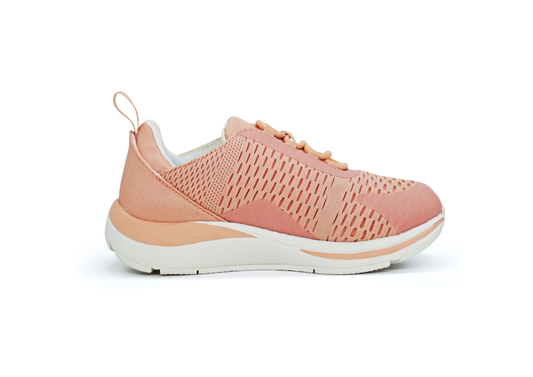
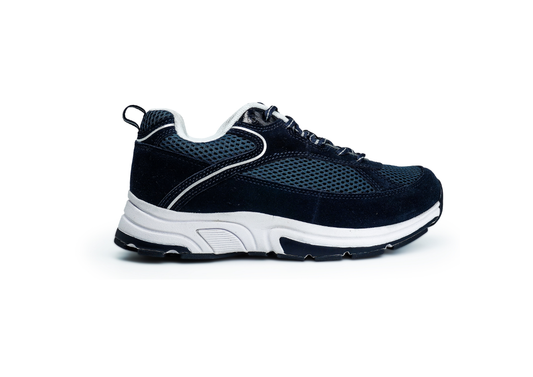

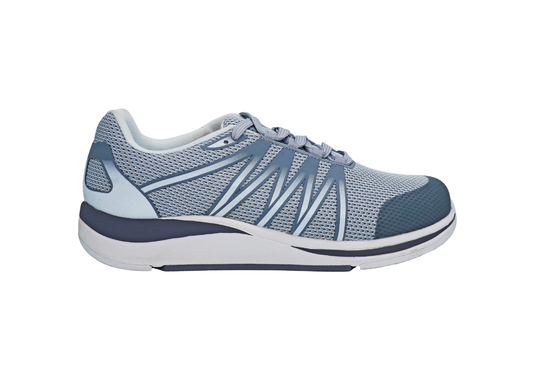

Best Shoes for Heel Pain in India: Supportive Footwear for Heel Spurs & Plantar Fasciitis
Do you dread those first few steps out of bed every morning? Many wonder why their heels hurt after waking up, assuming it is just routine tiredness. According to specialists, that sharp, needle-like poke is actually Plantar Fasciitis (sharp morning heel pain) or a Heel Spur (bone-related pain).
In practice, the typical Indian home's bare marble or tile floors act like a hammer against an unprotected heel. Your basic flat chappals offer zero shock absorption, forcing your foot to take harsh impacts daily without proper shoes for foot pain.
Finding true relief demands a complete shift from perfectly flat sandals to functional footwear. By choosing the best shoes for heel pain in India, you stop the damage. Discovering supportive plantar fasciitis shoes in India ensures those morning steps finally become painless.
Summary
Morning heel pain is commonly due to plantar fasciitis or heel spurs and is aggravated by hard marble/tile floors and flat chappals. Effective relief comes from firm, supportive footwear featuring a deep heel cup, rigid arch, and impact-absorbing midsole—worn both outdoors and as dedicated indoor shoes. Choose models suited to your arch and budget (from premium walking and office styles to affordable options), and enhance results with simple stretches plus silicone pads or full-length insoles. Follow a consistent 7-day wear routine and consult a podiatrist if pain persists.
The Anatomy of Relief: Why Soft Isn't Always Better
Reaching for the softest slip-ons feels great initially, but pure fluff actually forces your tired feet to work harder. Think of your foot as a bridge. If the middle isn't supported, the structure sags under your body weight, causing severe strain. Proper arch support walking shoes for men and women act like strong structural pillars, keeping your foot stable and preventing this painful collapse.
Before buying orthopedic shoes for heel pain, remember that firmness heals better than extreme softness. Look for these three essentials:
-
A deep heel cup: This cradles your heel, naturally squeezing your foot's fatty pad together to protect the bone.
-
A rigid arch: This prevents your foot's "bridge" from flattening out.
-
An impact-absorbing midsole: True shock absorbing footwear soaks up the harsh "thud" of walking on hard concrete.
Test your current pairs right now using the "Twist Test." Grab your shoe by the heel and toe, wringing it like a towel; if it twists easily, it lacks vital rigidity. While finding structured outdoor shoes is crucial, healing requires protecting your feet indoors as well.
Stop Walking Barefoot on Marble: The Secret to Indoor Recovery
Leaving shoes at the front door is a common Indian tradition, but walking barefoot on hard marble floors actively worsens your condition. Standing on these unforgiving tile surfaces creates what many call "Kitchen Pain." Every barefoot step forces your heel to absorb harsh shocks, instantly undoing the healing progress you made while wearing supportive shoes outdoors.
True recovery requires dedicated indoor footwear. Instead of flat rubber chappals, switch to medicated shoes for heel pain in India built specifically for home use. These specialized daily wear slippers for heel pain feature a contoured footbed that hugs your arch and a non-slip sole to keep you secure on smooth indoor tiles.
Securing reliable footwear for heel pain India doesn't mean wearing heavy walking shoes inside your living room. Modern orthopedic sandals for women in India and structured men's slides offer perfect home comfort alongside essential medical-grade support. Finding the right pair, however, requires looking at specific brands tailored to Indian feet.
3 Minutes to Less Pain: Simple Stretches and the Power of Silicone Pads
Even premium footwear works better alongside regular stretching exercises for heel pain relief, especially if you battle Achilles Tendonitis (tightness in the thick cord behind your ankle). Because this tight cord pulls directly on your heel bone, loosening the tension is a crucial daily habit. Try this 3-Step Stretching Routine at home:
-
Wall stretch: Lean against a wall with one leg back to stretch your calf and reduce heel tension.
-
Towel curl: Sit and scrunch a floor towel using only your toes.
-
Bottle roll: Roll a frozen water bottle underfoot to gently soothe inflammation.
For immediate comfort inside your existing office wear, medical grade silicone heel pads offer a brilliant temporary fix. They sit beneath the heel, acting as targeted shock absorbers against hard tile floors. However, while silicone cups protect against direct impact, inserting full memory foam insoles for heel relief provides superior long-term support by evenly distributing your body weight across the entire foot.
Pairing these supportive inserts with dedicated heel pain relief shoes builds a robust defense against recurring flare-ups. Integrating these tools into a structured recovery plan is the final step toward lasting relief.
Your 7-Day Foot Recovery Plan: Choosing Life Without Heel Pain
You now understand that hard marble floors require firm structure, not just soft fluff. When you start wearing your new heel support shoes, they might feel slightly stiff for the first two days---this is perfectly normal. Over the next seven days, make it a strict routine to wear these foot pain relief shoes constantly, even inside the house.
Monitor your discomfort daily; your ultimate success metric is walking 5,000 steps without needing a massage at night. While discovering the best shoes for heel pain in India is life-changing, remember to consult a podiatrist if intense pain persists beyond this self-care.
Your healing journey begins at home. Protect your foundation by sliding into supportive footwear the moment you step out of bed tomorrow.
Q&A
Question: Why do my heels hurt most in the morning, and why do marble floors and flat chappals make it worse?
Answer: That sharp first-step pain is usually plantar fasciitis (inflamed tissue under the foot) or a heel spur (bone-related). Hard marble/tile floors deliver strong impact to an unprotected heel, and flat chappals offer no shock absorption or arch support—together they keep straining the heel with every step, especially after overnight tightening.
Question: Are softer shoes better for heel pain, or should I choose firmer ones? What features matter most?
Short answer: Firm, structured shoes generally relieve heel pain better than ultra-soft, saggy footwear. Look for three essentials: a deep heel cup to center and cushion the heel pad, a rigid arch to stop the foot from collapsing, and an impact-absorbing midsole for shock reduction. Use the “Twist Test”—if a shoe wrings easily like a towel, it lacks the rigidity you need.
Question: Do I really need separate indoor footwear at home?
Short answer: Yes—walking barefoot or in flat rubber chappals on marble/tile (“Kitchen Pain”) can undo progress made outdoors. Choose dedicated indoor sandals/slippers with a contoured footbed for arch support and a non-slip sole, so you get medical-grade support without wearing heavy walking shoes around the house.
Question: How can I pick the right shoes for my arch and budget in India?
Short answer: Do the Wet Footprint Test: if you see most of your sole, you likely have flat feet and pronate (often confirmed by extra wear on the inner heel of old sandals), so you need stable, structured support. Reliable categories include premium walking options like Skechers GoWalk India, office-friendly support such as Bata Comfit, and budget-friendly structured picks from Liberty and Relaxo—match the category to your daily use and price range.
Question: What else besides shoes will help—stretches or inserts? And what’s the 7-day plan?
Short answer: Add a quick routine—wall calf stretch, towel curls, and frozen bottle rolling—to ease Achilles/calf tightness and calm inflammation. Silicone heel pads give immediate impact cushioning in existing shoes, while full-length memory foam insoles distribute weight better for longer-term support. Expect new supportive shoes to feel a bit stiff for 1–2 days; then wear them consistently (including indoors) for 7 days and aim for 5,000 comfortable steps a day. See a podiatrist if pain stays intense despite this routine.
Contributor: Dr. Sarika Agrawal (MD, MBBS) Podiastrist
Indian Podiatrist Association
