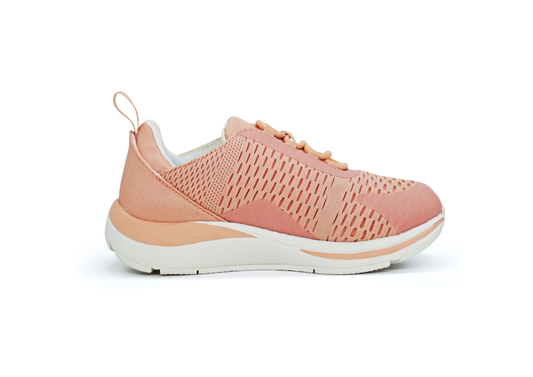
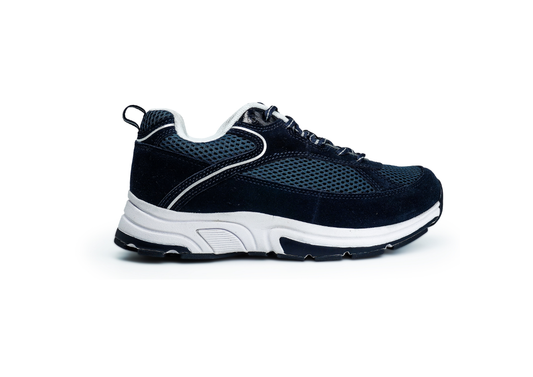
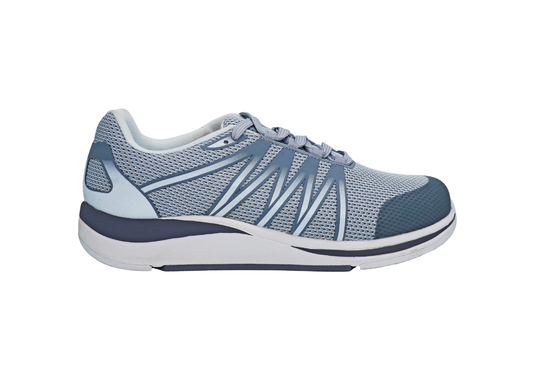
Best Shoes for Diabetic Patients: What to Look For in 2026
In 2026, a shoe is no longer just a fashion choice for someone living with diabetes—it is a vital piece of medical equipment you wear to the grocery store. According to recent clinical guidelines, relying on comfort alone is a deeply misleading metric for vulnerable feet. Because diabetes limits healthy blood flow and reduces nerve sensation, a tiny hidden seam can cause a blister you cannot even feel. Therefore, proper diabetic footwear acts as your everyday first line of defense.
Upgrading to therapeutic gear means knowing which specific features actually protect your mobility. When exploring the best shoes for diabetic patients in 2026, prioritize the latest safety standards over aesthetics. Today's best diabetic shoes replace basic sneaker padding with rigorous structural protections, like seamless interiors that prevent friction. Transitioning to specialized gear ensures your daily steps remain confident, secure, and completely worry-free.
Why Your Shoes Are Now Medical Tools
While diabetes affects your nerves, this invisible damage changes everything about how you walk. Because neuropathy masks pain, a pebble in your shoe or a tight internal seam might feel like absolutely nothing. This loss of sensation allows dangerous "silent blisters" to go unnoticed. To know if you need specialized shoes for neuropathy, watch your feet closely for these high-risk warning signs:
When these symptoms appear, standard comfort sneakers simply aren't safe. The mechanics of podiatrist-recommended shoes for ulcer prevention focus on eliminating friction and offloading pressure from sensitive areas. By cradling the foot without squeezing it, orthopaedic footwear for peripheral neuropathy relief acts as a daily shield against wounds you cannot feel.
The 4 Structural Pillars of a Protective Shoe
Knowing the risks of neuropathy changes how you evaluate footwear. The vital difference between diabetic shoes and extra-depth sneakers lies in their specialized medical construction. While standard extra-depth shoes simply provide a looser fit, true therapeutic footwear is expertly engineered to house custom orthotic inserts perfectly without compromising your daily support.
To guarantee your feet remain safe during everyday activities, always verify your shoes feature these five structural pillars:
-
Ample Room: Utilizing wide toe box shoes for hammertoe relief prevents vulnerable toes from rubbing or overlapping.
-
Smooth Construction: A seamless interior lining for friction blister prevention ensures no hidden threads act like tiny blades against numb skin.
-
Added Volume: Extra depth comfortably accommodates specialized insoles without crushing the top of your foot.
-
Flexible Tops: Non-binding uppers stretch gently over swollen areas instead of tightly squeezing them.
-
Hygiene Defense: Using breathable antimicrobial materials for diabetic foot hygiene stops dangerous bacteria before serious infections can even begin.
Once the physical foundation of your shoe is secure, modern technology takes over to provide ultimate peace of mind. Today’s footwear goes beyond simply wrapping your foot in soft materials; it actively monitors your health in real-time as you move.
The 4:00 PM Fit Test: How to Measure and Choose the Right Pair
Shopping in the morning is a common mistake that can compromise your safety. Throughout the day, fluid retention causes natural foot swelling. To properly manage this volume change, always shop—or learn how to measure diabetic foot size at home—around 4:00 PM when your feet are largest. You must also weigh adjustable velcro vs. lace-up closures for swollen feet; velcro offers easier daily adjustments when your hands are tired or stiff. Choosing the right therapeutic sneakers for swelling and edema management ensures your feet are never dangerously compressed by dinnertime.
Even with an excellent afternoon fit, daily verification remains your best defense against hidden friction. Perform this 10-minute 'red mark' safety check after removing shoes:
From Medicare to Maintenance: Your Long-Term Foot Health Strategy
You no longer have to guess which footwear protects your mobility. Start by consulting a podiatrist to secure documentation for Medicare reimbursement for therapeutic shoe inserts. They will prescribe exactly what you need, particularly if you require customized orthotic support for Charcot foot complications. Finally, establish a strict replacement schedule, swapping shoes every six months or 500 miles.
Viewing shoes as essential medical equipment transforms your daily health routine. With these 2026 advancements, your ultimate success metric isn't just comfort—it's celebrating consecutive wound-free months and maintaining the continued mobility to live confidently on your own terms.
Check our collection of Men's Shoes and Women's Shoes for your specific condition.