
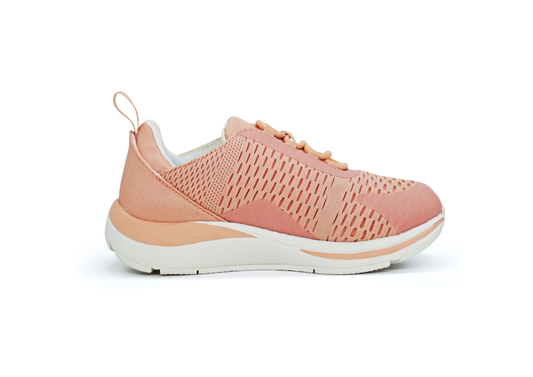
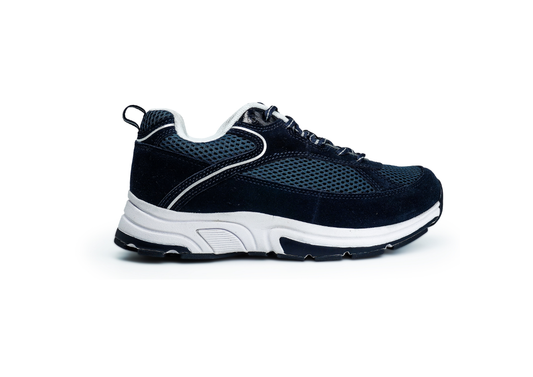

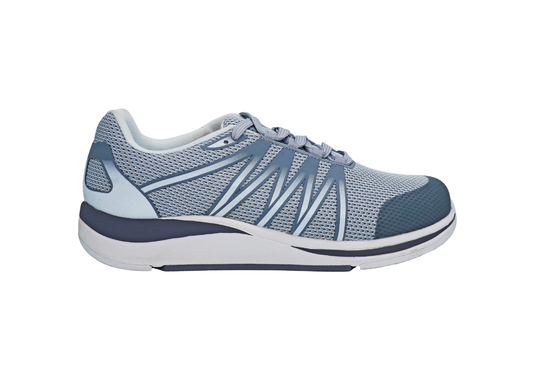

Top Men's Shoes Under 1500: Best Budget Picks
Top Men's Shoes Under 1500: Best Budget Picks for Foot Health
Buying shoes on a tight budget is often framed as a style-versus-quality compromise. From a foot-health perspective, the compromise can be more serious: poorly structured footwear can aggravate heel pain, tendon strain, knee discomfort, and lower-back fatigue. The good news is that you can still find the best shoes for men under 1500 in India if you evaluate them using orthopedic fundamentals—support, stability, cushioning, and fit—rather than relying on branding alone.
This guide approaches men's shoes under 1500 through the lens of orthopedic footwear principles. You don't necessarily need custom medical-grade shoes for every situation; you simply need to prioritize features that keep your feet aligned, distribute pressure evenly, and reduce repetitive stress during daily walking, standing, and commuting.
What “Orthopedic-Friendly” Means in Budget Footwear
In everyday shopping, “orthopedic” is used loosely. For practical decision-making under 1500, focus on measurable features that consistently correlate with comfort and alignment:
-
Stable Base: A sole that does not wobble side-to-side, with a wide platform under the heel and forefoot.
-
Arch Support: A contoured footbed or a removable insole so you can add an affordable orthotic insert. Check out specialized orthopedic shoes for men to see how proper support is structured.
-
Cushioning that Rebounds: Enough shock absorption for hard Indian pavements without collapsing instantly.
-
Firm Heel Counter: A structured heel cup that keeps the heel from sliding and reduces overpronation.
-
Adequate Toe Box: Room for toes to spread naturally; narrow toe boxes can worsen bunion pressure and forefoot pain.
-
Appropriate Flexibility: The shoe should flex at the ball of the foot, not in the mid-arch.
Decoding Shoe Construction (Orthopedic Lens)
Midsoles and Outsoles: Cushioning vs. Control
The sole determines how impact is managed. In the budget segment, you will commonly see EVA-based cushioning and rubber outsoles.
-
EVA Midsoles: Lightweight and shock-absorbing. For orthopedic friendliness, prefer a slightly firmer EVA blend; very soft foam can feel plush but may allow excessive inward roll (overpronation).
-
Rubber Outsoles: Look for full rubber contact in high-wear areas. For monsoon conditions, slip-resistant outsoles with deeper grooves are vital for safety.
Insoles and Footbeds: The “Hidden Orthopedic” Component
At this price point, factory insoles are often thin. The most important question is whether the insole is removable. Removable insoles allow you to replace them with diabetic footwear inserts or arch supports tailored to your needs.
Top Shoe Categories Under 1500 (With Orthopedic Priorities)
1. Walking/Commuter Sneakers
For most men, the most useful pair under 1500 is a walking-focused sneaker. These are engineered for repetitive steps on hard surfaces. The Player Men's Orthopedic Walking Shoes are a prime example of how a walking shoe should balance a secure lacing system with a stable outsole.
2. Athletic Shoes
If you use the gym or jog occasionally, choose shoes with lateral stability. A very soft midsole can feel comfortable but may be unstable during side movements. For those needing maximum stability during activities, the Contest Men's Orthopedic Walking Shoes provide the necessary structure to prevent the foot from sliding.
3. Casual Sandals and Slides
Slip-ons are convenient, but many budget options are flat and unsupportive. If you prefer the breathability of a sandal, look for models like the Jackson Men's Orthopedic Sandal, which offers a contoured footbed that a standard flip-flop lacks.
4. Formal Shoes
Budget formal shoes are often stiff and narrow. To keep your feet healthy during office hours:
-
Choose a slightly rounder toe box.
-
Look for options like the Aaron Comfort Orthopedic Shoes for Men that provide a formal look without the rigid, painful base of traditional cheap formals.
-
If you suffer from specific conditions, consider therapeutic shoes that bridge the gap between style and medical necessity.
Common Foot Profiles and What to Buy
| Condition | Priority Feature | Recommended Tech/Style |
| Flat Feet | Torsional Resistance | Flat Feet (Pes Planus) Collection |
| High Arches | Impact Absorption | High Arch (Pes Cavus) Support |
| Heel Pain | Heel Cup Stability | Plantar Fasciitis Shoes |
| Diabetes | Seamless Interior | Stable Men's Orthopedic Walking Shoes |
How to Check Orthopedic-Friendliness in a Store
Use these three quick tests to assess quality:
-
Flex Point Test: The shoe should flex at the ball of the foot, not in the arch.
-
Heel Counter Test: Squeeze the back of the shoe; it should be firm and structured.
-
Base Stability: Place the shoe on a flat surface and press side-to-side. It should not tip easily.
Affordable Orthotic Upgrades
A budget shoe can become significantly more comfortable with the right insert. If you are dealing with chronic discomfort, browsing a dedicated heel pain shoes collection can show you the type of cushioning profile you should aim for when adding inserts to your budget finds.
Conclusion
You can find the best shoes for men under 1500 without treating foot comfort as an afterthought. By prioritizing a stable base, a firm heel counter, and adequate toe room, you can avoid common pitfalls. Whether you choose a specialized option like the Prince Men's Orthopedic Footwear or a standard commuter shoe, remember that your joint health depends on the foundation you wear every day.
