


Best Shoes for Heel Pain Relief in India
Best Shoes for Heel Pain Relief in India: Orthopedic Solutions for Effective Comfort and Support
By Dr. Subramanyam Balaji, Ortho Shoes Corporation
Heel pain limits activity for many people. Proper footwear can reduce pain, improve gait and protect soft tissues. Orthopedic shoes are engineered to support foot anatomy and relieve conditions such as plantar fasciitis and heel spurs. As demand for clinically effective comfort grows in India, understanding causes of heel pain and the shoe features that address them helps people choose better footwear.
This article summarises common causes of heel pain, explains how orthopedic footwear helps, outlines key design features to seek, and highlights leading options available in India so readers can select shoes that improve comfort and mobility.
What Causes Heel Pain and How Can Orthopedic Shoes Help?
Heel pain commonly arises from plantar fasciitis and heel spurs. Plantar fasciitis is inflammation of the plantar fascia, the tissue running along the sole, typically from repetitive strain; symptoms often include sharp pain on first steps after rest. Orthopedic shoes for heel pain reduce symptoms by improving load distribution and stabilising the foot.
Orthopedic footwear addresses these problems with targeted design: cushioning to reduce impact, structured arch support to maintain alignment, and shock‑absorbent materials or heel counters that lower force transfer to the heel. These elements redistribute pressure and limit strain on the plantar fascia.
Which Foot Conditions Lead to Heel Pain Like Plantar Fasciitis and Heel Spurs?
- Plantar Fasciitis: Inflammation of the plantar fascia, often worsened by repetitive or high‑impact activity.
- Heel Spurs: Bony growths that can cause focal discomfort, commonly associated with chronic plantar fasciitis.
- Achilles Tendonitis: Inflammation of the Achilles tendon that may produce heel pain, especially in active people.
Identifying the underlying cause helps select shoes with the right combination of support, cushioning and fit.
How Do Orthopedic Shoes Relieve Heel Pain Through Design and Biomechanics?
Effective orthopedic shoes combine contoured footbeds, cushioned midsoles and supportive heel counters. Contoured footbeds and arch support promote neutral alignment, while cushioning and shock‑absorbent materials reduce repetitive loading. Together these elements improve foot mechanics and reduce pain during walking and standing.
Which Orthopedic Shoe Features Are Essential for Heel Pain Relief?
Prioritise features with mechanical benefit: arch support, effective cushioning and a secure fit. These address peak pressures and tissue strain.
- Arch Support: Distributes weight across the foot and reduces strain on the plantar fascia.
- Cushioning Materials: Absorb impact to lessen focal force on the heel.
- Fit Considerations: A correct fit, with adjustable elements where helpful, prevents pressure points and keeps the foot stable.
Combined, these components lower peak pressures and improve day‑to‑day comfort for people with heel disorders.
What Role Does Arch Support and Cushioning Play in Comfort for Heel Pain?
Arch support maintains balanced load distribution and helps prevent excessive pronation that stresses the plantar fascia. Cushioning reduces impact forces that concentrate on the heel. Used together they improve tolerance for standing and walking.
How Do Specialized Soles and Pressure Relief Improve Foot Health?
Specialised soles spread pressure over a larger area and can include targeted pressure‑relief zones to reduce hot spots. Cushioned outsoles further lower transmitted impact to the heel and midfoot, supporting tissue recovery and longer‑term foot health.
What Are the Best Orthopedic Shoes Available for Heel Pain Relief in India?
Several brands in India offer orthopedic footwear focused on heel pain management; look for models that prioritise support, cushioning and correct fit.
- Ortho Shoes: Known for a broad line of orthopedic footwear for conditions including plantar fasciitis; quality‑focused options are available at orthopedic shoes.
- FitFlop: Offers sandals and shoes with Microwobbleboard technology for enhanced comfort and reduced impact.
- Sole Bliss: Provides stylish footwear that pairs fashion with orthopedic support for casual and formal needs.
Which Shoe Collections Are Tailored for Men, Women, and Specific Conditions Like Diabetic and Arthritis Foot Care?
Choose collections that match demographic and clinical needs. Men’s and women’s designs differ in shape and support; specialised lines exist for diabetes and arthritis, offering protective, adjustable and extra‑depth features.
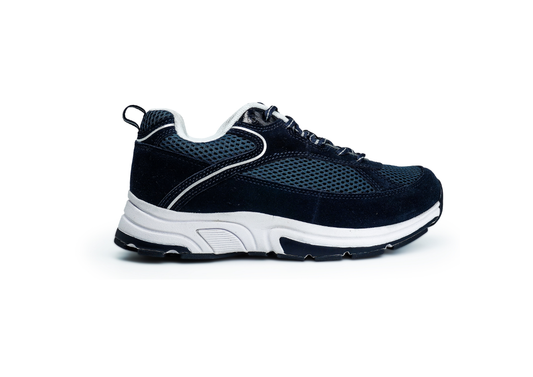
- Men's Collections: Robust designs offering enhanced daily support. See men's orthopedic shoes.
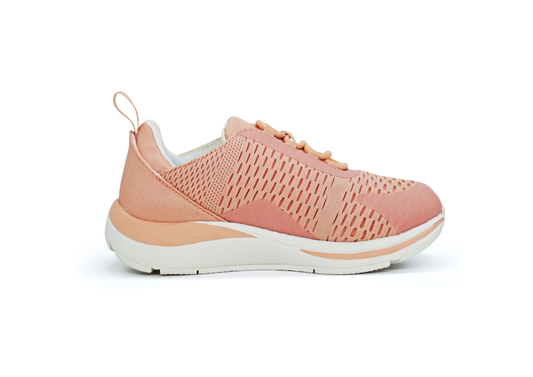
- Women's Collections: Stylish options that maintain essential support. Explore women's orthopedic shoes.
- Collections for Diabetic Care: Designed for sensitive feet to reduce blistering and ulcer risk; see the diabetic footwear range.
- Arthritis Footwear: Often offer extra depth and adjustable features for comfort and ease of use.
Targeted selections help individuals obtain the right combination of support, protection and comfort for their condition.
Where Can Customers Purchase Medical-Grade Heel Pain Shoes with Verified Quality?
Orthopedic shoes are sold through specialist online retailers and clinics that list product specifications and intended benefits. Seek sellers who provide clear information on support features, sizing guidance and customer service to help match models to symptoms and activity levels.
What Do Customers Say About Orthopedic Shoes for Heel Pain Relief?
Many customers report measurable improvements in comfort and mobility after switching to orthopedic footwear, notably reduced heel pain and greater tolerance for standing and walking.
How Have Orthopedic Shoes Improved Comfort and Mobility for Heel Pain Sufferers?
Users often describe easier daily tasks, less pain after prolonged standing and reduced morning soreness—benefits that reflect improved mechanics from supportive footwear.
What Are Common FAQs About Buying and Using Heel Pain Relief Footwear?
Buyers commonly ask about selection criteria, correct fitting and maintenance to preserve therapeutic benefits.
- What should I consider when buying? Prioritise arch support, cushioning and fit. See specialised ranges such as arthritis footwear when relevant.
- How often should I replace my orthopedic shoes? Typically every 6–12 months, depending on wear and activity.
These guidelines help buyers select footwear that meets clinical needs and provides sustained relief.
Frequently Asked Questions
1. How can I tell if I need orthopedic shoes for heel pain?
Recurring heel pain—especially sharp pain with the first steps in the morning or after sitting—suggests supportive footwear may help. Persistent discomfort, pressure under the heel or inability to find comfortable shoes merit assessment by a podiatrist, who can advise on footwear or further treatment.
2. Are orthopedic shoes stylish, or do they look bulky?
Many modern orthopedic designs balance support with aesthetics; you can find slimmer, fashionable options that retain essential structural elements.
3. Can I wear orthopedic shoes for other foot conditions?
Yes. Properly chosen orthopedic shoes support flat feet, plantar fasciitis, diabetic foot concerns and arthritis. Select shoes designed for the specific condition for best results.
4. What should I look for in inserts for orthopedic shoes?
Choose inserts that provide stable arch support, durable cushioning and shock absorption, and ensure they suit the shoe style—athletic, casual or dress—to maintain fit and function.
5. Do orthopedic shoes require any special care or maintenance?
Follow manufacturer cleaning instructions, avoid extreme conditions and inspect soles for wear. Replacing shoes every 6–12 months preserves therapeutic benefit.
6. How do I choose the right size for orthopedic shoes?
Measure both feet at the end of the day when feet are slightly larger, and use adjustable features or a professional fitting at a specialist retailer to ensure optimal comfort and support.
7. Can children experience heel pain, and do they need orthopedic shoes?
Children may develop heel pain from growth or activity; if pain is recurrent, consult a paediatric podiatrist. When indicated, children’s orthopedic shoes can support healthy foot development and reduce pain.
