
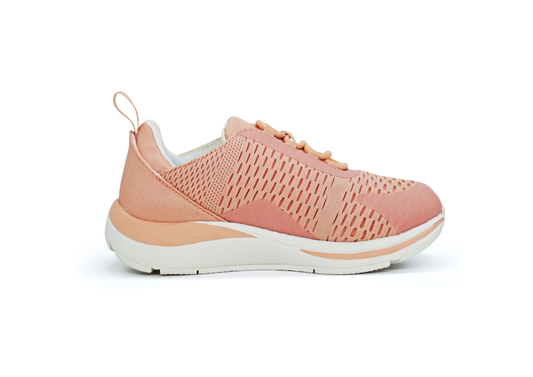
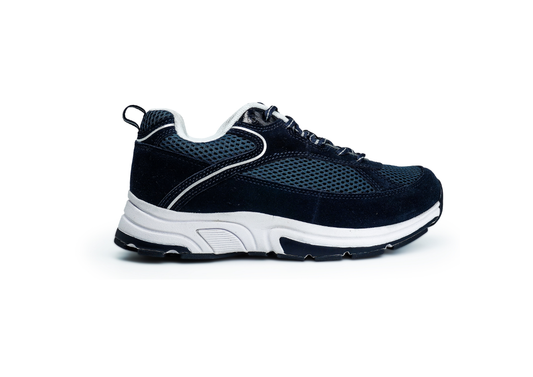

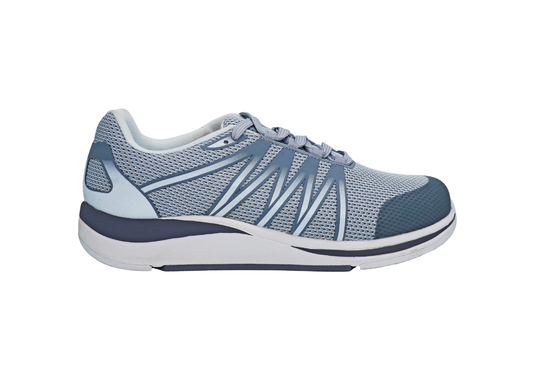

Best Orthopedic Shoes for Flat Feet Relief
Best Orthopedic Shoes for Flat Feet Relief: Expert Guide to Footwear for Foot Pain
By Dr. Subramanyam Balaji, Ortho Shoes Corporation
Choosing the right footwear matters for flat feet. Orthopedic shoes add targeted support and cushioning to reduce pain, improve function and limit further strain. This guide summarises essential design features, buying tips, related-condition considerations and practical foot-care advice to help you choose supportive shoes.
What Are the Key Features of Orthopedic Shoes for Flat Feet Relief?
Orthopedic shoes for flat feet are built to support and comfort the foot. Key features include:
- Arch Support: Built-in support to distribute weight and relieve the arch.
- Cushioning and Shock Absorption: Materials that reduce impact and foot fatigue.
- Durability: Sturdy construction and outsoles for longer wear.
- Customizability: Removable insoles or space for custom orthotics.
- Breathable Materials: Fabrics that limit heat and moisture buildup.
These features work together to reduce strain and protect surrounding tissues. For women's options, see women's orthopedic shoes.
How to Choose the Best Shoes for Flat Feet Pain: A Practical Buying Guide
Focus on factors that affect fit and function when comparing shoes:
- Arch Type: Know whether your arch is flat, neutral or high and pick support accordingly.
- Fit and Comfort: Seek a snug but not tight fit and enough toe room.
- Special Features: Removable insoles, adjustable straps or extra cushioning improve fit and comfort.
- Style Preferences: Choose a style you will actually wear—athletic, casual or formal.
Use a specialist fitting service when possible. If buying online, pick brands with clear specs and return policies. See orthopedic shoes for examples.
Which Doctor-Recommended Features Should Buyers Look For?
Clinicians commonly recommend:
- Arch Support: To redistribute load and reduce pain.
- Cushioned Insoles: For impact absorption.
- Adjustable Straps: To secure the fit and adapt to swelling.
- Stability: A wider base for improved balance.
What Are Commonly Asked Questions About Orthopedic Footwear for Flat Feet?
- How often should I replace my orthopedic shoes?Replace them when cushioning or structure wears down, commonly within 6–12 months depending on use.
- Can I wear orthopedic shoes all day?Yes. They are designed for extended daily wear to reduce ongoing discomfort.
- Are orthopedic shoes flexible?Many offer a balance of flexibility and support for comfortable movement.
How Do Orthopedic Shoes Address Related Conditions Like Heel Pain and Diabetic Foot?
Orthopedic shoes help related issues such as heel pain and diabetic foot. For targeted choices, see heel pain shoes.
- Heel Pain: Proper arch support and cushioning ease tension in the plantar fascia to reduce heel discomfort.
- Diabetes-Related Foot Issues: Roomy toe boxes, soft linings and breathable materials reduce friction and pressure; many designs accept custom orthotics. See diabetic footwear for specialised options.
Understanding these design effects helps you match shoes to symptoms and risk factors.
What Are Customer Experiences and Medical Recommendations for Flat Feet Orthopedic Footwear?
Many users report less pain and better daily function after switching to supportive shoes. Professionals advise evaluating fit, activity needs and any coexisting conditions before buying.
- Personal Comfort: Individual fit matters—try options to find what works for you.
- Activity Level: Match shoes to typical activities such as walking, standing or exercise.
- Reviews: Read feedback from users and clinicians about fit and durability.
Combine patient reports with professional guidance to choose the most suitable pair.
Commonly Recommended Features by Professionals
Practical features often highlighted include:
- Good Arch Support: For proper alignment.
- Padded Tongue and Collar: To prevent chafing.
- Non-Slip Soles: For safer footing on varied surfaces.
If you want men's models, see men's orthopedic shoes.
What Additional Foot Care Insights Support Long-Term Relief with Orthopedic Shoes?
To maximise benefits, pair shoes with basic foot care:
- Regular Foot Inspections: Check for wear or injury, especially if you have diabetes.
- Appropriate Foot Hygiene: Keep feet clean and dry to avoid infections.
- Supportive Socks: Compression or padded socks can improve comfort and circulation.
Additional Questions Regarding Foot Health
- How can I further care for my feet?Moisturise, elevate when swollen and inspect regularly.
- What should I do if my shoes start to feel uncomfortable?Re-check fit and features or consult a podiatrist for alternatives.
- Are there exercises that can help flat feet?Yes—simple foot and ankle strengthening and stretching can improve support.
Used together, these measures and suitable shoes improve long-term relief for flat feet.
Frequently Asked Questions
1. What types of activities are orthopedic shoes suitable for?
They suit walking, running, standing for work, casual outings and many exercise types. Construction provides arch support and cushioning to reduce strain during activity.
2. Can children benefit from orthopedic shoes for flat feet?
Yes. Proper arch support and cushioning can reduce discomfort and guide development; consult a paediatric podiatrist to confirm need and fit.
3. Are there specific brands known for quality orthopedic shoes?
Several established brands focus on supportive footwear; compare features and reviews to match brand strengths to your foot shape and activity level.
4. How can orthotics improve the performance of orthopedic shoes?
Custom orthotics offer tailored support that improves alignment and reduces pressure; combining them with supportive shoes gives a personalised solution for biomechanical needs.
5. What materials make orthopedic shoes more effective?
Durable, breathable materials and cushioning foams (such as EVA) with supportive insoles enhance comfort, shock absorption and symptom relief.
6. How can lifestyle changes complement the use of orthopedic shoes?
Weight management, regular foot-strengthening exercises and consistent hygiene reduce load on the feet and improve the benefits of supportive footwear.
7. What signs indicate that orthopedic shoes need replacement?
Replace shoes when you notice uneven sole wear, loss of cushioning, structural deformation or increased discomfort—these indicate reduced support.
