
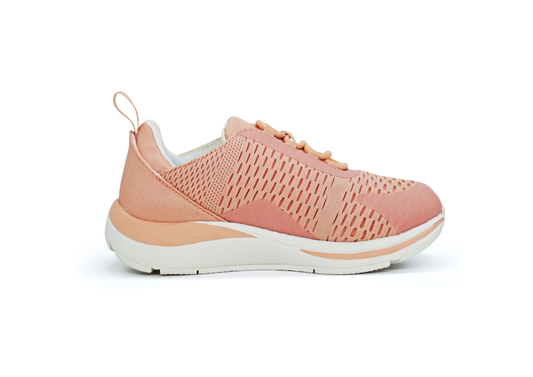
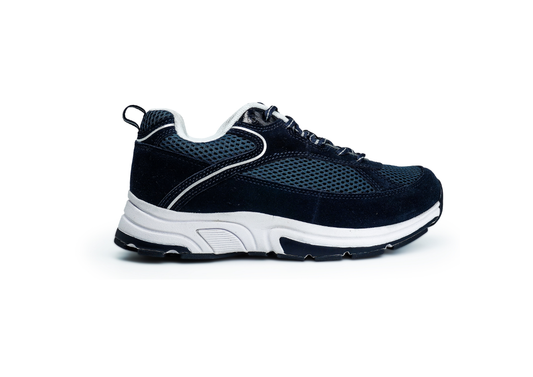

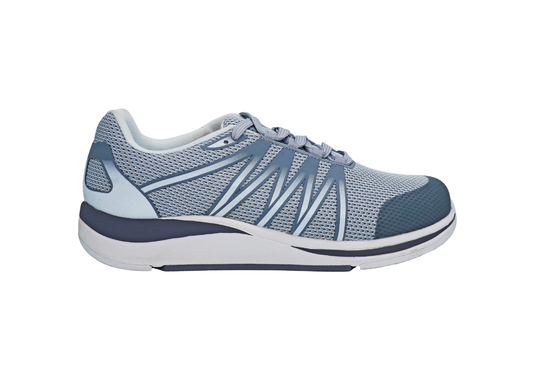

Essential Features to Look for in Diabetic Footwear for Optimal Support
Essential Features of the Best Diabetic Shoes in India for Optimal Foot Support
By Dr. Subramanyam Balaji, Ortho Shoes Corporation
Choosing suitable diabetic footwear protects feet and helps prevent ulcers and infections. Diabetic shoes combine comfort, support and protective design to reduce risk and improve daily wear. Below we summarise the core features to prioritise and how each contributes to foot health, noting how brands such as Ortho Shoes tailor products for specific needs.
When selecting the best diabetic footwear in India, consider the following essential features:
Look for design elements that lower pressure on vulnerable areas, protect fragile skin and provide stable support during everyday activities.
- Wide Toe Box: Essential for preventing pressure points and allowing natural toe movement.
- Extra Depth: Important for accommodating custom orthotics and reducing pressure on sensitive areas.
- Seamless Interior: Benefits those with neuropathy, minimizing friction and enhancing comfort.
- Cushioned Insoles: Provides necessary shock absorption and pressure relief during walking or standing.
- Stable Heel Counter: Reduces the risk of falls by providing additional support and stability.
- Breathable Materials: Essential for moisture control and preventing fungal infections.
- Adjustable Closures: Allows for a customized fit, accommodating foot swelling throughout the day.
1. Wide Toe Box
A wide toe box prevents focal pressure and allows toes to sit naturally, reducing rubbing that causes corns, calluses and ulcers. The extra space also promotes circulation and overall comfort, especially for those with bunions or deformities.
2. Extra Depth
Extra depth accommodates orthotics and varied foot shapes, reducing pressure on sensitive areas and preventing irritation from shoe seams or materials. It supports correct foot positioning and comfort during long periods of wear.
3. Seamless Interior
Seamless linings reduce friction and the chance of skin breakdown. This is especially important for people with neuropathy who may not notice early irritation; a smooth interior lowers the risk of hotspots and pressure sores.
4. Cushioned Insoles
Cushioned insoles absorb shock and redistribute load, lowering pain from extended standing or walking and reducing joint stress. Many diabetic shoes use memory or specialized foams for improved pressure relief.
5. Stable Heel Counter
A rigid heel counter stabilises the rearfoot, supports the arch and improves balance. Better heel control reduces internal movement, helping to maintain a safer, more stable gait.
6. Breathable Materials
Breathable, moisture‑wicking fabrics keep feet drier and cooler, lowering fungal and odour problems. Good ventilation supports hygiene and long‑term comfort.
7. Adjustable Closures
Adjustable closures—such as straps, Velcro or elastic systems—allow a secure, custom fit that accommodates daily swelling and orthotics without constriction.
What Are the Key Supportive Features in Orthopedic Footwear for Diabetes?
Orthopedic diabetic footwear combines appropriate materials, targeted cushioning, correct fit and thoughtful design to reduce pressure, prevent injury and aid mobility.
1. Material Types:
Choose durable yet flexible uppers and linings that support movement while limiting internal shear forces.
2. Cushioning:
Purposeful cushioning attenuates impact and protects vulnerable tissues from repetitive stress.
3. Fit:
A correct fit accommodates deformities without compressing the foot, balancing space and stability to preserve circulation.
4. Design Characteristics:
Features such as wide openings and easy fastenings simplify donning and doffing for users with limited mobility while retaining therapeutic benefits.
How Does Cushioning Improve Comfort and Pressure Relief in Diabetic Shoes?
Cushioning spreads load across a larger surface area and absorbs impact during gait, reducing peak pressures that can cause ulcers and soreness and helping users remain active with less fatigue.
Why Is Extra Depth and Proper Fit Critical for Diabetic Foot Health?
Extra depth and an accurate fit prevent internal rubbing and blisters, provide room for orthotics and stabilise the foot—key factors in preventing pressure sores and preserving mobility.
How Do Breathable and Seamless Interior Designs Benefit Diabetic Footwear?
Breathable materials control moisture and lower infection risk; seamless interiors remove friction points. Together they protect sensitive skin and create a safer environment for diabetic feet.
What Materials Enhance Breathability and Reduce Risk of Ulcers in Diabetic Shoes?
Mesh and moisture‑wicking textiles improve airflow and skin dryness, reducing fungal growth and odour while maintaining comfort and durability.
Why Are Seamless Interiors Recommended for Neuropathy and Sensitive Feet?
Seamless interiors eliminate seams that cause blisters; for those with reduced sensation, this simple design change greatly lowers the chance of unnoticed irritation becoming a serious wound.
How Do Orthopedic Diabetic Socks Complement Diabetic Footwear Support?
Orthopedic diabetic socks add cushioning, moisture management and non‑binding tops to support circulation. Used with appropriate shoes, they form a coordinated system that reduces pressure and enhances protection.
What Features Should Orthopedic Socks Have to Support Diabetic Feet?
Look for socks with moisture‑wicking fibers, non‑binding tops and cushioned soles to keep feet dry, promote circulation and protect pressure points.
- Moisture-Wicking Fibers: To keep feet dry and reduce the chance of infections.
- Non-Binding Tops: To promote circulation without constriction.
- Cushioned Soles: To provide extra comfort and support where it is needed most.
How to Choose the Right Combination of Diabetic Shoes and Socks for Maximum Prevention?
Ensure shoes have the width and depth to accommodate your socks and any orthotics. Match materials for breathability and cushioning so the two items work together without creating pressure points.
What Innovations Are Driving the Future of Diabetic Footwear in India?
Recent advances include lighter, more durable materials and customisable fits via 3D printing. Manufacturers such as Ortho Shoes are adapting designs based on research and user feedback to improve support and comfort.
Frequently Asked Questions
1. What should I look for in diabetic footwear if I have neuropathy?
Prioritise seamless interiors, good cushioning and breathable materials to minimise friction, absorb shock and control moisture.
2. Can diabetic shoes accommodate custom orthotics?
Yes—choose shoes with extra depth and a roomy toe box and confirm the model supports your orthotic profile.
3. How do I maintain diabetic shoes for longevity?
Clean with mild soap and water, air‑dry away from heat, inspect for wear and replace insoles when cushioning degrades.
4. Are there specific brands known for high-quality diabetic shoes?
Brands such as Ortho Shoes, New Balance and Brooks offer diabetic‑friendly models; consult podiatric guidance where possible.
5. How often should I replace my diabetic footwear?
Replace shoes every 6–12 months or sooner if soles wear down or cushioning and support are lost.
6. What role do orthopedic diabetic socks play in foot care?
They manage moisture, cushion pressure zones and have non‑binding tops to aid circulation, complementing the protection from shoes.
7. Can diabetic shoes be stylish as well as functional?
Yes—many manufacturers now blend therapeutic features with contemporary styles so you don’t have to compromise on appearance.
