


Achilles Heel Pain: Causes & Effective Treatments
Achilles Heel: Causes, Symptoms, and Treatment of Achilles Tendon Pain
Imagine being an invincible warrior, feared by entire armies, only to fall from a single arrow to the ankle. According to classical lore, this legendary event is the Greek mythology vulnerability origin of our most famous idiom. Today, we call any hidden flaw an "achilles heel"—like a million-dollar app crashing from one tiny coding error.
However, for millions of people, this concept represents a literal biological bottleneck rather than just a metaphor. The physical achilles tendon meaning refers to the thick cord connecting your calf muscle to your heel bone, acting as your leg's primary weak link. When this cord is overloaded, you may feel achilles heel pain, achilles tendon pain when walking, or pain in the back of the ankle above heel. Along with exercise therapy, the right orthopedic footwear can reduce strain on the tendon and support recovery.
From the River Styx to the Trojan War: The Story Behind the World's Most Famous Weakness
This famous vulnerability begins with the role of Thetis in Greek myths, a mother desperate to protect her son. Seeking invincibility, she held the infant Achilles by his heel and submerged him in underworld waters. Why was Achilles dipped in River Styx? Its waters acted like indestructible body armor. Yet, the skin covered by his mother's hand remained dry and mortal.
Decades later, that tiny spot sealed his fate. Among the Trojan War legendary figures, a prince named Paris finally defeated the hero by shooting an arrow straight into his unprotected heel. This tragedy defined the ultimate heroic archetype, proving that even unstoppable champions have a hidden frailty.
The Anatomy of a Powerhouse: Why the Calcaneal Tendon is Your Body’s Ultimate Lever
Unlike a ligament connecting two bones, a tendon is a heavy-duty cable tying muscle to bone. The famous Achilles, officially the calcaneal tendon (or tendocalcaneal tendon), links your powerful calf—the primary achilles tendon muscle group—to the calcaneal bone in your heel. Think of your foot as a crowbar and this tendon as the arm pulling it. This mechanical leverage allows you to easily lift your entire body weight onto your toes.
Handling immense pressure, the TA tendon acts as a resilient biological spring executing three essential jobs:
-
Propulsion: Pushing your body forward.
-
Shock absorption: Catching the heavy impact of each step.
-
Balance: Keeping you steadily upright.
Despite such incredible strength, this design holds a structural weakness called the "watershed zone." Located right in the middle of the cord, this specific area receives remarkably little blood flow compared to the rest of the leg. When daily activities create tiny micro-tears, poor circulation makes natural healing painfully slow. Footwear choices matter here: poor cushioning, inadequate heel support, or a sudden change in shoe style can increase the repetitive load that fuels achilles tendinopathy.
What Is Achilles Tendonitis (and How Is It Different From Tendinopathy)?
If you’ve searched “what is achilles tendonitis” or “tendo achilles tendinitis,” you’ve likely seen mixed explanations. In daily use, “tendonitis” often describes pain and irritation in the tendon, while many long-lasting cases are better described as achilles tendinopathy—a wear-and-repair problem where the tendon’s structure becomes compromised over time. You may also hear terms like achilles tendon enthesopathy, insertional tendonitis, or insertional tendinitis when the pain is near the attachment point (tendo achilles insertion) at the heel bone.
Warning Signs You Shouldn't Ignore: Spotting Achilles Tendinitis Symptoms Early
Stepping out of bed shouldn't feel like walking on broken glass. Yet, that sharp, hobbling stiffness first thing in the morning is a classic among achilles tendinitis symptoms. While you sleep, your body tries patching those watershed zone micro-tears, but overnight inactivity causes the healing tissue to tighten. Taking that first step painfully stretches the stiff cable. Usually, you feel this pain in the back of the ankle above the heel—called "non-insertional" tendinopathy because the damage sits squarely in the middle of the cord.
Not all pain strikes the middle of the cable, however. Sometimes the breakdown happens exactly where the tendon anchors to the heel bone, causing insertional achilles tendinopathy. This often shows up as pain above heel or tenderness right at the heel’s back edge, and may worsen with rigid heel counters or shoes that rub. Regardless of location, you must differentiate normal soreness from tendon decay. Standard muscle soreness fades quickly as you warm up, but persistent achilles tendon pain causes concern when it continues through activity, swells, thickens, or feels “creaky.”
Ignoring these early whispers of damage can lead to a more serious achilles injury. Seek immediate medical care if you experience these four red flag symptoms:
-
A sudden "pop" or snapping sound at the back of the leg.
-
An inability to point your toes downward.
-
Severe swelling or a visible dent in your lower calf.
-
Sharp pain that forces an immediate limp.
How Orthopedic Footwear Helps Achilles Heel Pain
Orthopedic footwear isn’t just “comfortable shoes.” It’s footwear designed to change how force travels through your foot and ankle, helping reduce achilles heel pain causes related to overload, poor shock absorption, or unstable mechanics. In practical terms, the right shoe can:
-
Reduce tendon tension with a slight heel raise (helpful for achilles tendon contracture or TA tightness).
-
Limit irritating stretch at the back of the heel for insertional problems (insertional achilles tendinopathy).
-
Improve shock absorption so each step is less of a “whip” on the tendon (common in heel tendonitis).
-
Stabilise the rearfoot with a firm heel counter, reducing side-to-side strain.
Footwear alone won’t “cure” tendinopathy, but it can be a powerful part of achilles tendon pain treatment—especially if your pain flares up during walking, commuting, or long hours standing.
Choosing Orthopedic Footwear (and Insoles) for Achilles Tendon Pain
If you’re deciding what to wear day-to-day in India’s varied climates and walking conditions, focus on features that unload the tendon while keeping you stable.
Whether you need mens shoes orthopedic or womens shoes orthopedic, you should prioritize:
-
Slight heel elevation: A small drop (or removable heel lift) can reduce strain and ease pain above heel.
-
Cushioned midsole: Helps with achilles tendon pain when walking and with repetitive impact on hard surfaces.
-
Stable heel counter: The back of the shoe should feel firm, not collapsible.
-
Rocker-style sole (if advised): Can reduce push-off demand in stubborn cases.
-
Enough depth/space: Reduces rubbing for insertional tendon pain and heel bone sensitivity.
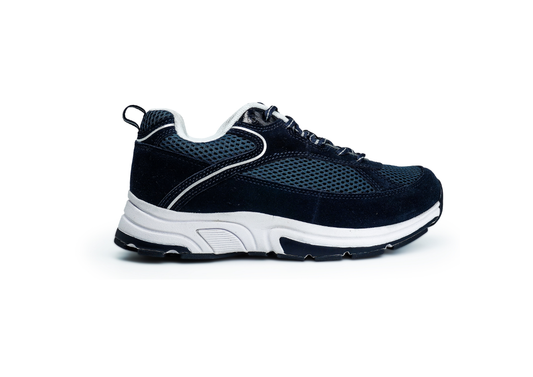
For men requiring a blend of comfort and support, options like the aaron comfort orthopedic shoes for men provide essential stability. If you need robust cushioning for daily commutes, consider the stable mens orthopedic walking shoes diabetic to manage mechanical loading effectively. For athletic pursuits, the contest mens orthopedic walking shoes or the specialized player mens orthopedic walking shoes can help keep you active without aggravating the tendon. Even in warmer weather, you don't have to sacrifice support; a protective sandal like the jackson mens orthopedic sandal diabetic comfort can offer relief.
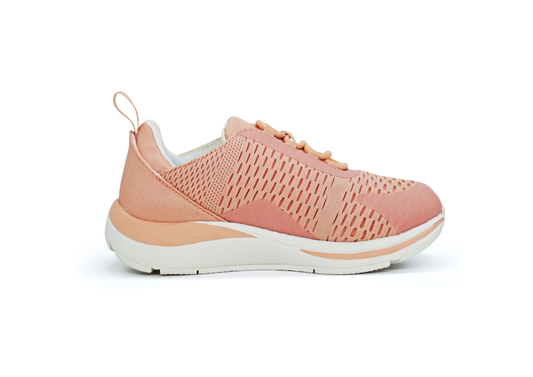
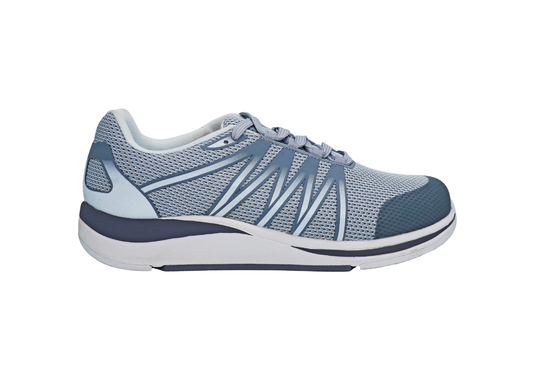
Women also have excellent supportive choices. If you need dynamic support for exercise, the sprinter orthopedic athletic shoe rose womens is an excellent option, as are the highly cushioned balance running shoes womens. For ease and daily wear, pursuit womens slip on orthopedic shoes reduce strain without the fuss of laces. Warm weather relief can be found in a supportive buttercup orthopedic sandal women or the sawyer womens orthopedic sandal diabetic comfort. Don't forget indoor recovery; the breezy slipper footwear womens provides essential support on hard house floors.
Insoles and orthotics may help if arch mechanics are contributing to achilles heel pain causes. A clinician may recommend an orthotic that supports the heel and arch, or a short-term heel lift to manage flare-ups. If you have diabetes, neuropathy, or significant foot deformity, get footwear advice from an orthopaedic or podiatry professional before trying over-the-counter inserts.
Healing Without a Hero’s Struggle: Proven Ways to Treat and Prevent Heel Tendonitis
When exploring how to treat heel tendonitis, simply waiting on the couch isn't enough. For the first 48 hours of a sudden flare-up, rely on the RICE method—Rest, Ice, Compression, and Elevation—to quickly calm irritation. Afterward, you must manage the tension actively pulling on that frayed biological cable. Think of it like temporarily loosening a tight guitar string to prevent it from snapping.
You can achieve this “mechanical unloading” by adjusting activity and using orthopedic footwear strategies such as a slight heel raise and better cushioning. This instantly reduces the strain caused by tight calf muscles and gives the tissue breathing room—often improving achilles heel pain within days.
Taking weight off the foot won't rebuild its resilience permanently, which is why physical therapy for heel pain relies heavily on “eccentric loading.” This technique strengthens the muscle while it lengthens, much like the effort it takes to slowly lower a heavy box to the floor. This controlled stretching tells your body to lay down strong, new tendon fibres, making it a cornerstone of tendonitis in achilles tendon treatment and longer-term achilles tendinopathy care.
Rebuild your ankle's strength using this targeted, step-by-step routine of strengthening exercises for lower legs:
-
The Double-Leg Raise: Stand on a stair edge and rise up on both toes smoothly.
-
The Eccentric Heel Drop: Shift your weight to the injured leg and slowly lower your heel below the step level over five seconds.
-
The Towel Pull: Sit with a towel looped around your toes, pulling gently to relieve lingering tightness.
If symptoms persist beyond a few weeks, or if walking pain is increasing, consult a clinician to confirm the diagnosis and rule out other causes of pain above heel. Management may include guided rehabilitation, temporary immobilisation, and, in some cases, imaging to check for insertional changes or tendon thickening.
Building a Foundation That Lasts: Your Action Plan for Ankle Stability and Long-Term Health
You can protect your body’s strongest cable instead of fearing a mythical downfall. Poor blood supply makes preventing sports related tendon injuries far easier than enduring a long recovery. A sustainable plan usually includes:
-
Gradual load progression: Increase running, walking, or sport volume slowly to avoid flare-ups.
-
Consistent calf strength work: Supports the calcaneal tendon and reduces recurrence.
-
Smart footwear rotation: Use supportive, cushioned shoes on high-walking days; avoid sudden switches to very flat footwear.
-
Early response to pain: Treat a flare-up early rather than “pushing through” an achilles heel injury.
Q&A: Achilles Tendon Pain, Orthopedic Footwear, and Daily Life
Q1) What are the most common achilles tendon pain causes?
Usually a mix of sudden activity increase, tight calves (TA tightness), poor shock absorption, and mechanics that overload the tendon—often worsened by unsupportive or worn-out shoes.
Q2) Can orthopedic footwear really help achilles tendinopathy?
Yes, it can reduce daily strain and improve comfort, especially when combined with strengthening. It’s particularly helpful for achilles tendon pain when walking or standing for long periods.
Q3) Is insertional achilles tendinopathy different from “regular” achilles tendonitis?
Insertional pain occurs right where the tendon attaches to the heel bone (tendo achilles insertion). It can be more sensitive to shoe rubbing and often benefits from depth, cushioning, and careful loading.
Q4) Should I use a heel lift for achilles heel pain?
A small heel raise can reduce tendon tension short term and may help during flare-ups. Use it as a temporary tool and pair it with rehab—ideally with clinician guidance.
Q5) When should I see a doctor for an achilles injury?
Seek urgent care for a sudden pop, major swelling, visible deformity, or inability to push off. Otherwise, see a clinician if pain persists beyond 2–3 weeks, keeps returning, or limits normal walking.
