


Ankle Fracture Shoes: Orthopedic Support & Recovery Tips
Ankle Fracture Shoes: Orthopedic Footwear to Wear While You Heal (India Guide)
After an ankle fracture, what you wear on your foot isn’t just about comfort—it’s about using specialized orthopedic footwear designed to protect the bone while it knits, control swelling, and help you walk safely. In India, most doctors prescribe either a CAM (Controlled Ankle Motion) walker boot or a stiff-sole surgical shoe, depending on your fracture pattern and weight-bearing status.
These ankle fracture shoes are often chosen over a full plaster cast because they are removable for hygiene, adjustable as swelling fluctuates, and allow your clinician to monitor healing during follow-ups.
CAM Walker vs. Stiff-Sole Surgical Shoe: Choosing Your Footwear
Different injuries need different levels of immobilization. The right orthopedic shoes for fractured foot recovery depend on where the break is and how stable it is:
-
Tall CAM Walker (Walking Boot): Often used for ankle fractures (including malleolar injuries) to stabilize the ankle and lower leg together.
-
Short CAM Boot or Stiff-Sole Shoe: Common for forefoot or midfoot injuries, or later rehab stages where you need protection without full ankle immobilization.
Why Many Walking Boots Have a Rocker Bottom
Many orthopedic walking boots feature a rocker-bottom sole. This curved design helps your body “roll” forward so you don’t have to bend the ankle. When you are cleared for weight-bearing, this makes walking smoother and prevents a "flat-footed" stomp.
Proper Walking Technique:
-
Heel First: Place the boot heel down.
-
Roll Forward: Let the curved sole guide you over the midfoot.
-
Finish the Step: Glide off the front without forcing ankle motion.
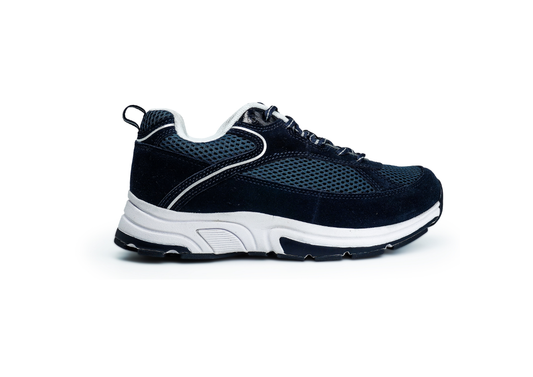
If you experience hip or back pain due to the height difference between the boot and your regular shoe, it is essential to wear a balanced, supportive shoe on your healthy foot. For men, the Aaron Comfort Orthopedic Shoes provide excellent stability, while women may prefer the Chippy Comfort Orthopedic Walking Shoes to maintain a level gait.
Swelling Control and Fit Adjustments
Swelling changes throughout the day, especially in India’s warmer climates. Many CAM boots include air bladders to fine-tune compression. A secure fit is vital to prevent the foot from sliding, which can irritate healing tissues.
-
Adjust Gradually: Aim for snug support, not numbness.
-
Check Pressure Points: Watch for hot spots at the heel or shin.
-
Use the Right Sock: A tall, breathable boot sock reduces friction.
For those managing complications like diabetes alongside a fracture, exploring a dedicated diabetic footwear collection for your healthy foot can prevent secondary pressure issues.
Transitioning from a Boot to Regular Orthopedic Shoes
Coming out of a boot is a progression. Once your orthopedist confirms the bone is stable, you will transition into supportive orthopedic shoes for women or orthopedic shoes for men that offer:
-
Firm Heel Counter: To stabilize the rearfoot.
-
Stable Midsole: To limit excessive twisting.
-
Wide Toe Box: To reduce pressure and improve balance.
Recommended Transition Footwear:
-
For Men: The Player Men’s Orthopedic Walking Shoes or the Stable Men’s Orthopedic Walking Shoes offer the rigid support needed after a fracture.
-
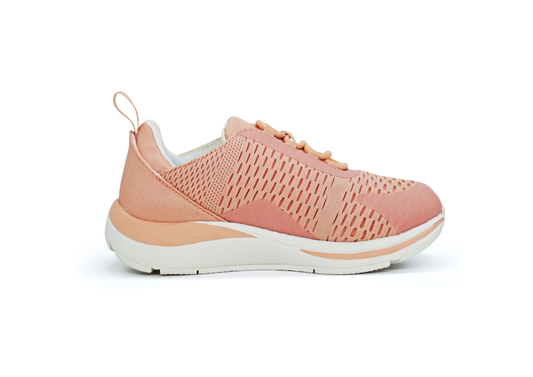
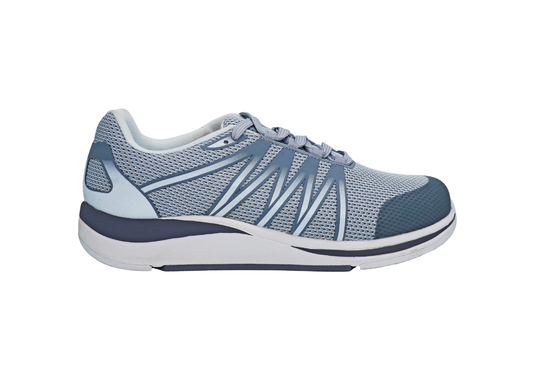
For Women: The Sprinter Orthopedic Athletic Shoe or the Pursuit Women’s Slip-On provide comfort without sacrificing stability.
-
At-Home Recovery: Avoid walking barefoot. Use the Slippers Roman for Men or the Breezy Slipper for Women to maintain arch support on hard floors.
Orthopedic Footwear Q&A
1) Are “ankle fracture shoes” the same as a walking boot?
Yes, usually. It refers to CAM walkers or stiff-sole post-op shoes designed to restrict motion.
2) What shoe should I wear on the uninjured foot?
Choose a stable, cushioned shoe with a similar sole height to the boot. The Victor Men's Orthopedic Footwear is a popular choice for maintaining balance.
3) Do I need an orthotic insole while in the boot?
Only if advised by your physio. Later in recovery, those with flat feet or high arches often benefit from adding specialized insoles to their transition shoes.
4) When can I wear sandals?
Once you have regained significant ankle stability, you can move into supportive options like the Jackson Men’s Orthopedic Sandal or the Buttercup Orthopedic Sandal for Women, which offer more security than standard flip-flops.
Safety Note: Never "free-walk" without the boot until cleared by your doctor. Even short trips without protection can set back your recovery.
How long has it been since your injury, and has your doctor discussed a weight-bearing timeline with you yet?
