


Best Arch Support for Plantar Fasciitis Relief
Best Arch Support for Plantar Fasciitis Relief
You know that sharp, stabbing sensation the moment your feet hit the floor in the morning? It feels like stepping on a nail, and according to podiatrists, this agonizing first step is the classic hallmark of plantar fasciitis. Many people assume they just need softer slippers to soothe the ache, but this daily frustration actually stems from a mechanical issue underneath your heel.
Picture a thick, tight rubber band stretching across the bottom of your foot. That is your plantar fascia, the vital ligament connecting your heel bone to your toes. When your foot flattens out, this "rubber band" stretches too far and develops tiny, painful micro-tears near the heel. While you rest at night, these tears attempt to knit themselves back together, only to rip right back open under your body weight the next morning.
Most sufferers think adding more "squish" to their shoes is the answer, but softness alone cannot fix a collapsing arch. To stop this cycle of tearing, you need structural firmness instead of mere cushioning. By understanding how to properly brace your foot, you can confidently choose the best arch support for plantar fasciitis and finally find lasting relief for chronic heel pain.
The 'Cushioning' Trap: Why Soft Insoles Can Actually Make Pain Worse
When your heel feels like it is on fire, the natural instinct is to buy the squishiest pads available. Unfortunately, relying strictly on softness is a common trap when choosing plantar fasciitis insoles. Think of your foot as a suspension bridge; if the bridge sags, a pillow underneath won't stop the collapse. You need structural rigidity.
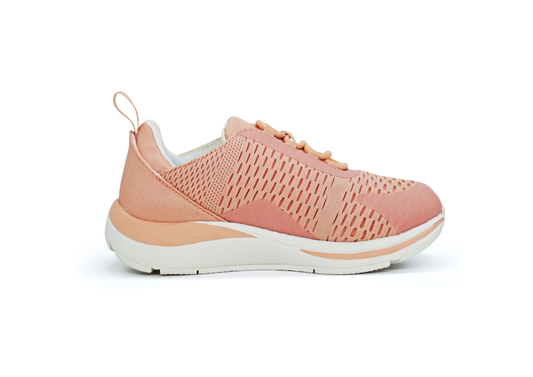
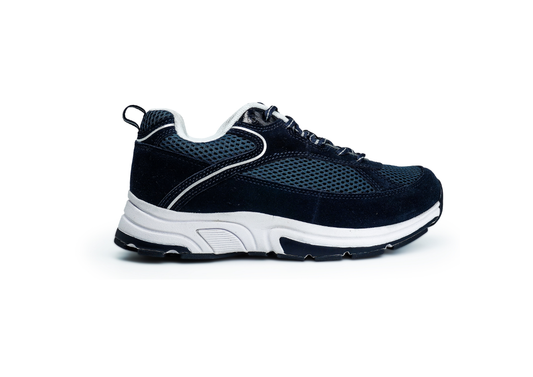
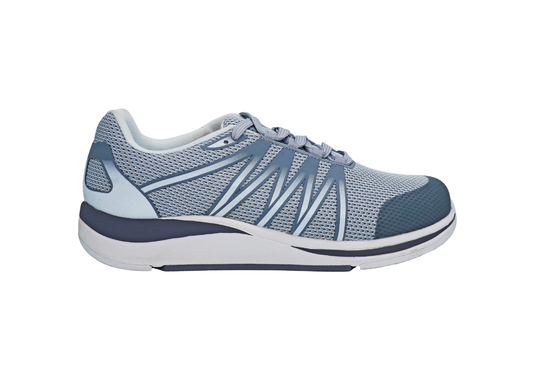
Flat, unsupportive shoes force your arch to drop, overstretching the ligament. Effective plantar fasciitis shoes provide active support, combining a firm base with medical-grade shock absorption to keep your foot aligned.
Rigid vs. Flexible Supports: Matching Your Foot Shape
Fixing your alignment requires an intentional mechanical adjustment. Because every foot is different, your support must match your specific anatomy:
-
Rigid Supports: Essential for flat feet and overpronation. These firm bases prevent the arch from collapsing. Explore our flat feet (pes planus) collection for maximum stability.
-
Flexible Supports: Ideal for high arches. These provide dynamic shock absorption for a naturally stiff foot. Check out high arch (pes cavus) solutions to redistribute pressure.
3 Non-Negotiable Features of Effective Orthotics
To guarantee you are buying a helpful tool instead of a useless cushion, always look for these three essential features found in high-quality therapeutic shoes:
-
Deep Heel Cup: This locks your heel in place, stabilizing your foot's natural fat pad directly beneath the bone.
-
Anatomical Arch Shape: Proper mid-foot contouring redistributes body weight so the heel stops taking the full impact.
-
Durable Compression-Resistant Foam: Medical-grade foam, like that in the Aaron Comfort Orthopedic Shoes for Men, holds its shape through a long shift.
The 'Flex Test' and Pro Tips for Fitting
Before you buy, perform the Flex Test: Hold the shoe or insert by the heel and toe and try to fold it. If it collapses effortlessly, it lacks the structure needed to heal your fascia.
Pro Tips for New Orthotics:
-
The Factory Swap: Always remove the shoe’s original flimsy pad before adding an insert.
-
The Custom Trim: Use your old pad as a template to trim new inserts for a perfect fit.
-
Gradual Break-in: Wear new supports for just two hours a day initially to let your ligaments adjust.
Concrete Floors and High Arches: Lifestyle Matching
Where you spend your day dictates your footwear needs.
-
Standing on Concrete: If you work on hard surfaces, you need the Stable Men's Orthopedic Walking Shoes or the Chippy Comfort Walking Shoes for Women for maximum shock diffusion.
-
Active Lifestyles: For those on the move, the Sprinter Orthopedic Athletic Shoe or Balance Running Shoes provide the perfect blend of motion control and arch bracing.
-
At Home: Don't walk barefoot! Use the Breezy Slipper or Roman Mens Slippers to maintain support on tile or hardwood floors.
Beyond the Insert: A 3-Step Daily Routine
While choosing the best arch support for plantar fasciitis provides the bridge your foot needs, long-term healing requires a daily routine:
-
Support First: Slip into orthopedic sandals or shoes immediately upon waking.
-
Stretch: Perform gentle wall-calf stretches to loosen the posterior chain.
-
Freeze: Roll your foot over a frozen water bottle to reduce inflammation.
By combining the right hardware—like our heel pain shoes collection—with consistent care, you can finally pave the way for pain-free mornings.
Q&A: Orthopedic Footwear and Plantar Fasciitis
Q: Are orthopedic shoes necessary if I already use inserts?
A: Usually, yes. An insert needs a stable home. If your shoe is flimsy, it negates the insert's support. For a complete solution, browse our men's orthopedic collection or women's orthopedic collection.
Q: Do orthopedic sandals actually help?
A: Yes, if they are structured. The Jackson Mens Orthopedic Sandal or the Sawyer Womens Sandal offer contoured footbeds that flat flip-flops lack.
Q: When should I see a professional?
A: If pain persists after a month of using supportive footwear like the Victor Mens Footwear, it is time to consult a podiatrist.
