
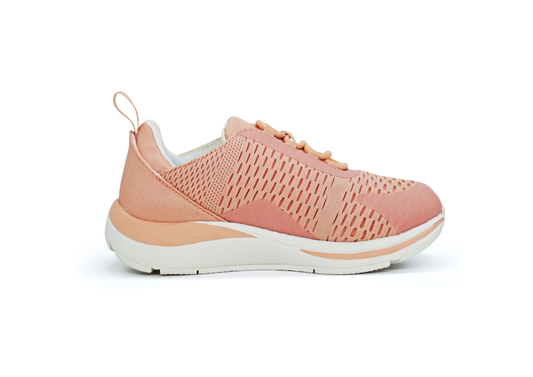
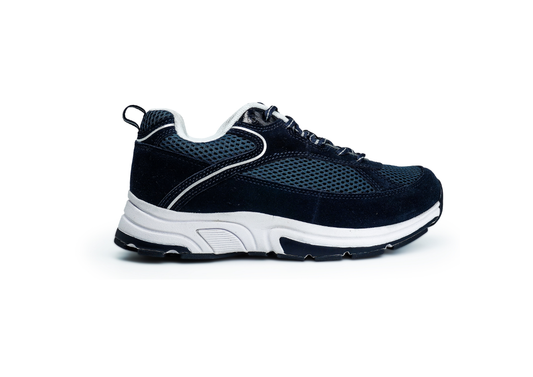

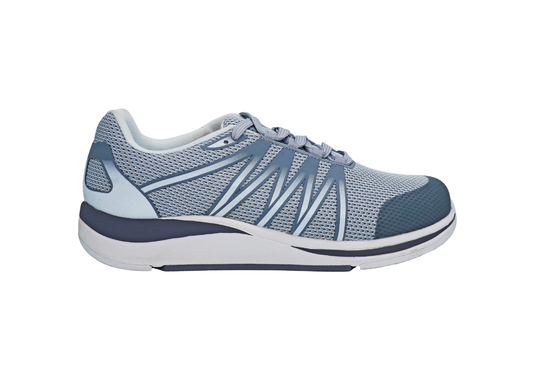

Athletic Shoes for Men with Wide Feet: 2026 Guide to Fit & Performance
You finish your three-mile run, but instead of feeling energized, the sides of your feet are burning. According to sports podiatrists, ignoring this friction is a massive mistake. The physical signs of cramped footwear are hard to miss: your pinky toe eventually blows a hole through the mesh, your toes go numb mid-workout, and you instinctively kick your sneakers off the moment you get home.
Instead of addressing the actual problem, many guys simply buy a half-size larger. In practice, treating length and width as the same measurement creates long-term foot issues. Sliding into a longer shoe just to get side-to-side breathing room causes heel slippage and painful blisters. If you frequently do this, you do not have exceptionally long feet; you just need to explore athletic shoes for men with wide feet.
Decoding the Width Alphabet: D, 2E, 4E, and 6E
Proper athletic shoes are built around a 3D foot mold called a "last." True wide shoes utilize a wider base last to support your entire foot, rather than just stretching extra fabric across a narrow sole. To find your match, you must understand these standard width codes:
-
D: Standard medium width.
-
2E: Wide (adds roughly a quarter-inch across the ball of the foot).
-
4E: Extra-Wide (essential for those whose feet "spill over" standard wide soles).
-
6E: Extra-Extra-Wide (typically found in specialized orthopedic sneakers).
Even if you nail the width code, the top of your foot might still feel crushed. This points to a high-volume foot. If a sneaker lacks vertical depth, it clamps down on the instep, causing numbness. The solution is finding extra depth shoes for men that offer the "ceiling height" your foot requires.
Performance Selection: Matching the Shoe to the Sport
| Activity | Footwear Need | Key Feature |
| Running | Impact Protection | Thick, shock-absorbing foam and forward-rolling rockers. |
| Gym/Lifting | Grounded Stability | A flat, broad outsole to stabilize the foot under heavy loads. |
| Court Sports | Lateral Support | Stiffened side walls to prevent ankle rollovers during cuts. |
For those with flat arches that collapse inward (overpronation), look for stability control shoes for flat feet. These utilize medial posts and rigid heel counters to keep your ankles vertically aligned.
FAQ: 10 Common Questions About Wide Athletic Shoes
-
Can I just "break in" a tight synthetic sneaker? No. Unlike old-school leather, modern synthetic mesh and plastics will not stretch over time. If they pinch on Day 1, they will pinch on Day 100.
-
Why should I measure my feet in the evening? Feet naturally swell (edema) throughout the day. Fitting shoes in the late afternoon ensures they won't become "sausage casings" by the end of your workout.
-
What is "window lacing"? A lacing technique where you skip a cross-over at the highest part of your foot to relieve midfoot pressure.
-
Are wide shoes good for diabetic feet? Yes; a wide toe box prevents the friction and overlapping toes that lead to dangerous ulcers. Check out specialized diabetic footwear for men for maximum safety.
-
How do I know if I have a high-volume foot? If standard 2E shoes fit your width but the laces feel like they are "strangling" the top of your foot, you have a high-volume foot.
-
Do wide shoes help with plantar fasciitis? Yes, as long as they offer a stable midfoot and a deep heel cup. You can find targeted relief in a plantar fasciitis shoe collection.
-
Is there a "Twist Test" for stability? Wring the shoe like a wet towel. A high-quality wide athletic shoe should resist this motion to provide torsional stability.
-
Can I use custom orthotics in wide sneakers? Yes. Look for orthopedic walking shoes with removable insoles so your inserts can sit flat.
-
Why do my pinky toes always blow holes in my shoes? This is a clear sign the shoe is too narrow. The foot is physically trying to expand beyond the limits of the sole.
-
When should I replace my gym shoes? Every 6–8 months or 500 miles. Once the therapeutic foam compresses, it no longer protects your joints.
Your Wide-Foot Action Plan
-
The Thumb Test: Ensure there is a full "thumb's width" of space at the front of the shoe to allow for natural toe splay.
-
Wear Your Socks: Always try on shoes with the exact athletic socks you plan to exercise in.
-
Check the Platform: Ensure the rubber outsole is exactly as wide as the fabric upper to prevent "spilling over" the edge.
By choosing podiatrist-recommended orthopedic shoes that respect your anatomy, you can shift your focus from foot fatigue to athletic performance. Step into your next workout with total confidence!
