


Wide Width Gym Shoes for Women: 2026 Guide to Fit & Training
The Hidden Cost of the Wrong Fit
Squeezing into standard sizes when you naturally need a wider base is a leading cause of foot pain. Constricted feet during cardio or lifting can lead to blisters, bunions, and even nerve damage.
How to tell if gym shoes are too narrow? If you experience tingling, if your pinky toe rubs aggressively against the side fabric, or if your foot "bulges" over the rubber sole, it is officially time to size up in width. Opting for women's orthopedic shoes immediately relieves this pressure and prevents "shoe blowout" at the seams.
Choosing the Right Shoe for Your Workout
The extra space you need heavily depends on how you move:
| Activity | Footwear Requirement | Key Feature |
| Running | Wide Toe Box | Allows toes to splay on impact; prevents friction. |
| Weightlifting | Grounded Stability | A wide, flat base for better balance and engagement. |
| Cross-Training | Lateral Support | Stiffened side panels for sharp, side-to-side moves. |
| Walking | Shock Absorption | Smooth heel-to-toe transitions for low-impact cardio. |
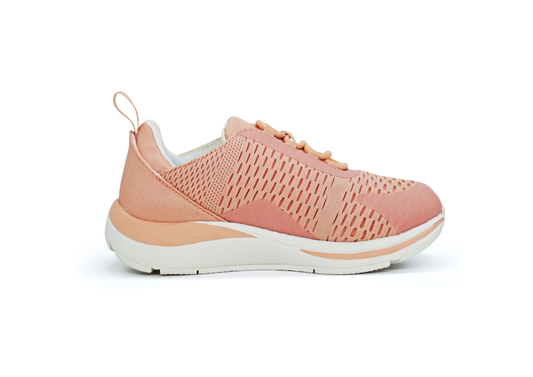
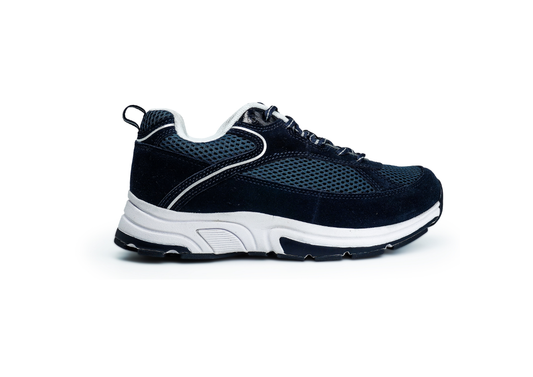
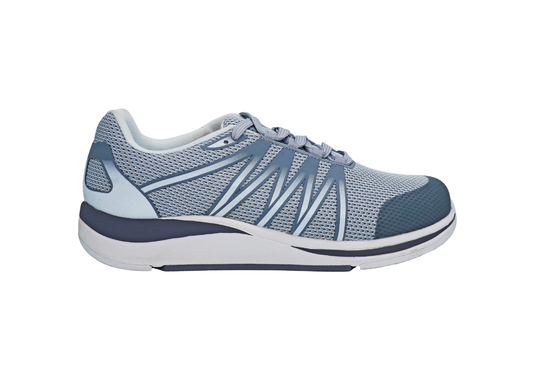
For those looking for a versatile option that handles high-intensity intervals, the Sprinter Orthopedic Athletic Shoe offers the perfect blend of room and responsiveness. For those with structural foot ailments, these spacious designs often double as the best cross trainers for bunions, ensuring your workouts remain pain-free.
FAQ: 10 Common Questions About Wide Gym Shoes
-
Is "Wide" the same as "Extra Wide"? No. In women’s shoes, 'D' is standard Wide, while '2E' or '4E' are Extra Wide.
-
Why do my feet swell during a workout? Increased blood flow and heat cause natural volume displacement. This is why a wide toe box running shoe is critical for training.
-
Are wide shoes good for diabetic feet? Yes; they provide the extra depth needed to prevent pressure points. Explore specialized diabetic footwear for maximum safety.
-
Can I use custom orthotics in gym shoes? Yes. Look for orthotic-friendly shoes with removable insoles.
-
What is the "Taco Test"? Push the toe and heel together. If the shoe folds in the middle, it lacks the arch support needed for high-impact moves.
-
Do wide shoes help with plantar fasciitis? Yes, by providing a stable base. Check out the plantar fasciitis shoes collection for targeted relief.
-
How should I lace my wide shoes? Try "window lacing"—skipping a cross-over at the widest part of your foot—to relieve pressure.
-
Can I wash my gym sneakers? Most mesh models can be hand-washed. Always air-dry them to keep structural adhesives intact.
-
Are specialized walking shoes worth it? Absolutely. For daily steps, comfort orthopedic walking shoes for women provide better alignment than standard sneakers.
-
When should I replace my gym shoes? Typically every 6 months or 500 miles. Once the foam flattens, it no longer protects your joints.
Your 2026 Training Roadmap
-
Measure at 4 PM: Shop for sneakers in the afternoon when your feet are at their largest.
-
The Thumb Test: Ensure there is a full "thumb's width" of space at the front of the shoe.
-
Rotate Your Pairs: Give your supportive walking footwear 24 hours to "rebound" between sessions.
-
Don't Forget Recovery: After the gym, slip into orthopedic slippers to keep your arches supported at home.
By prioritizing podiatrist-recommended design, you can conquer your next workout without foot pain. Embrace the comfort of a perfect fit and focus on your performance!
