


Best Wide Toe Box Shoes for Bunions: 2026 Guide to Comfort
By swapping narrow silhouettes for footwear that respects your foot’s natural, organic shape, you can walk, run, and live comfortably again.
Why Wide Toe Box is Better Than "Wide Width"
When people first experience bunion pain, they often buy a standard "wide" shoe. However, it is vital to understand the difference between wide width and a wide toe box.
Traditional wide width shoes are proportionately wider throughout the entire shoe—including the heel. If you have a normal-sized heel but a wide forefoot due to a bunion, your heel will slip, leading to blisters. A wide toe box shoe maintains a snug fit at the heel and midfoot but fans out dramatically at the front. This provides the exact room your toes need without compromising overall stability.
Key Features for Bunion Relief
Choosing modern orthopedic footwear does not mean settling for clunky designs. Prioritize these features:
-
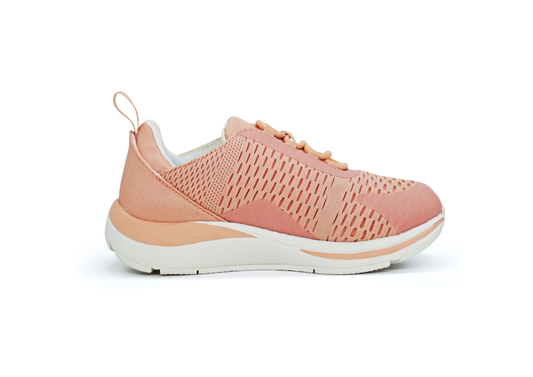
Anatomical Shape: Look for shoes wider at the tips of the toes. This design is essential for alleviating pressure on the big toe joint.
-
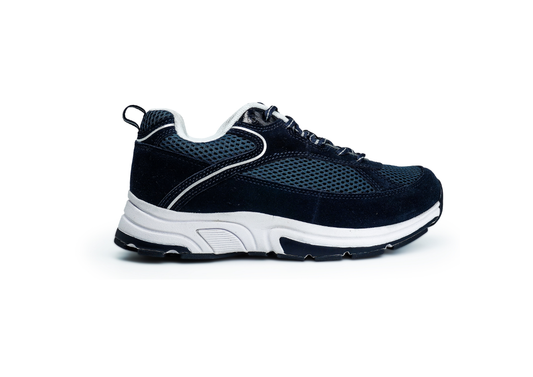
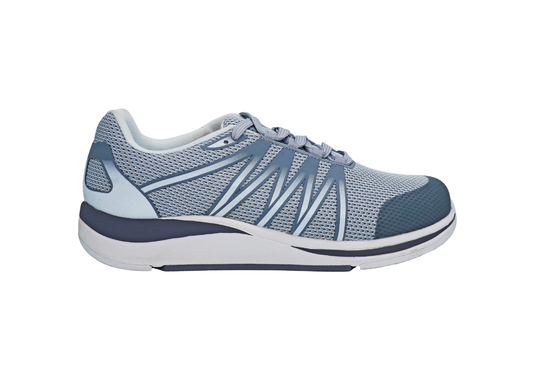
Forgiving Upper Materials: Prioritize flexible mesh or soft knits. For instance, therapeutic shoes use pliable materials that stretch over the bunion bump rather than rubbing against it.
-
Seamless Interiors: Always ensure there are no bulky seams inside the shoe that sit directly over the inflamed joint.
-
Rocker Bottom Soles: A curved base often found in heel pain shoes can help by rolling the foot forward, reducing the force needed from the big toe joint during each step.
FAQ: 10 Common Questions About Shoes for Bunions
-
Can the right shoes reverse my bunion? No; shoes cannot reverse a bony deformity. However, they are the most effective way to halt progression and eliminate daily pain.
-
What is a "zero drop" shoe? It means the heel and the ball of the foot are level. This prevents your body weight from shifting forward and hammering your bunion joint.
-
Are Skechers good for bunions? Yes, specifically the Arch Fit and GoWalk Wide series, as they offer the necessary forefoot volume. For similar support, many find relief in orthopedic walking shoes for women.
-
Why should I measure my feet in the evening? Feet naturally swell (edema) throughout the day. Fitting shoes at their largest ensures they remain comfortable all day long.
-
Do bunions cause back pain? Yes. If you change your gait to avoid pain, you misalign your kinetic chain, affecting your knees and hips.
-
Are wide toe box shoes good for diabetic feet? Absolutely. They provide the friction-free environment required to prevent dangerous ulcers, similar to specialized diabetic footwear.
-
Can I wear heels if I have a bunion? Standard high heels are "bunion-makers." If you must, choose low block heels or orthopedic sandals with a wide base.
-
What are toe spacers? Silicone inserts worn between the toes to help realign the big toe joint and improve natural foot splay inside wide shoes.
-
When should I replace my bunion-friendly shoes? Usually every 6–8 months. Once the shock absorption foam flattens, your joints absorb more impact.
-
How do I break in new wide shoes? Follow the 1-2-3 rule: wear them for 1 hour on Day 1, 2 hours on Day 2, and 3 hours on Day 3 to let your muscles adapt.
Your Plan for Lasting Comfort
-
Audit Your Shoes: If your current sneakers pinch your forefoot or fail the "Twist Test," it's time for an upgrade. Check out men's orthopedic footwear for options that don't compromise on space.
-
The Thumb Test: Ensure there is a thumb's width of space at the front of your new supportive walking footwear.
-
Stretch and Move: Pair your new shoes with daily stretches and the use of orthotic inserts for maximum relief. Arthritis footwear can also provide the extra cushioning needed for sensitive joints.
Treat your feet to the wide, expansive space they deserve, and every step you take will become significantly more joyful.
