


Benefits of Rocker Bottom Shoes for Arthritis: Relief & Stability Guide
Benefits of Rocker Bottom Shoes for Arthritis
If your first few steps out of bed feel like walking on LEGOs, you understand the misery of stiff joints. Standard flat footwear forces these inflamed areas to bend painfully with every stride. Many people assume thick cushioning is the ultimate fix, but podiatrists often recommend mechanical offloading—physically redirecting pressure away from sore spots—which is exactly why rocker bottom shoes for arthritis are so effective.
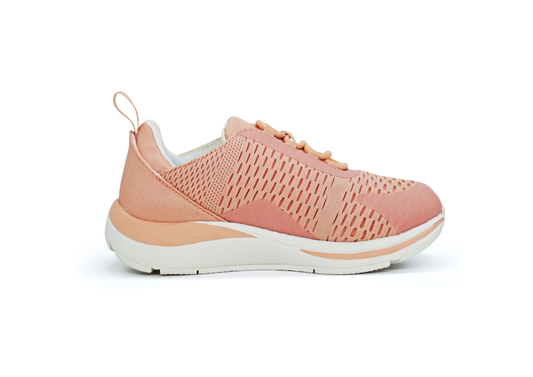
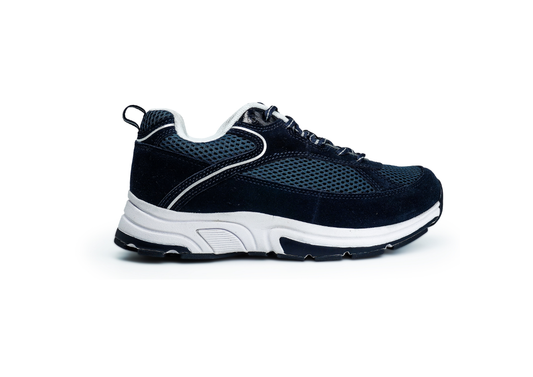
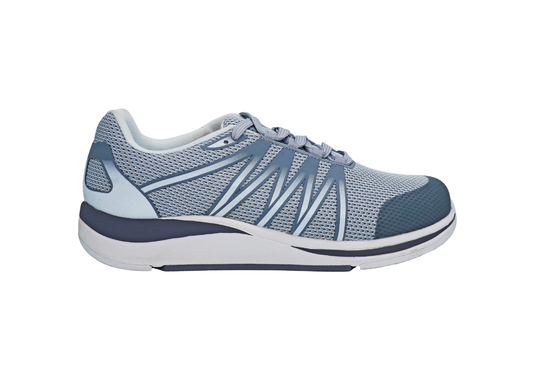
Think of these unique soles like the runners of a rocking chair. By creating a smooth, rolling gait cycle, the shoe rolls so your foot doesn't have to. For those with chronic conditions, arthritis footwear serves as a mechanical tool for reclaiming mobility.
How Rocker Soles Do the Work Your Joints Can't
Pain often stems from bending, not just impact. While a standard comfort shoe cushions the ground, it still forces your damaged joints to fold. A curved rocker sole turns your shoe into a smooth wheel, which is a core feature of orthopedic shoes for women and men's orthopedic shoes.
This design is particularly helpful for metatarsophalangeal joint loading (big toe pain). A functional rocker shoe allows your foot to roll forward while that stiff joint remains flat and undisturbed.
Choosing Your Pivot: Targeted Relief
Getting real relief depends on matching the shoe's curve to your specific pain:
● Forefoot Rocker: Curves behind the toes, significantly reducing pressure on the big toe joint during the "toe-off" phase.
● Midfoot Rocker: Features a stiff center to limit arch movement, making these the best walking shoes for midfoot osteoarthritis.
● Heel-to-Toe Rocker: A continuous arc that protects the entire foot from heavy impact, ideal for those seeking heel pain shoes.
The 7-Day Safety Switch
Because these rolling soles change your balance, your body needs time to adapt. You may feel your calves or thighs working in new ways. To transition safely to therapeutic footwear:
1. Day 1: Wear them for 1 hour at home.
2. Days 2-6: Add one hour each day to your routine.
3. Day 7: You are ready for full-time wear.
FAQ: 10 Common Questions About Rocker Bottom Shoes
1. What is a rocker bottom shoe? It is footwear with a curved sole that facilitates a rolling motion, reducing the need for the foot joints to flex.
2. Is a rocker sole better than a flexible sole? For arthritis, yes; a rigid, curved sole prevents the painful bending that flexible soles allow.
3. Does it help with Plantar Fasciitis? Yes, by reducing the stretch on the foot's arch, plantar fasciitis shoes with rocker soles can alleviate strain.
4. Can I wear them with custom orthotics? Yes, if the shoe has removable insoles to accommodate the extra volume.
5. Why do my calves feel tired? Rocker soles change your muscle activation; this is a normal part of the adaptation period.
6. Are rocker shoes safe for people with balance issues? They can be, but they require a supervised transition to ensure stability isn't compromised.
7. What is the "Twist Test"? Try to wring the shoe like a towel; it should resist twisting to provide the necessary joint protection.
8. Can I use these for diabetic foot care? Yes, diabetic footwear often incorporates rocker soles to reduce pressure points on the sole.
9. Do they help with back pain? By correcting your gait and absorbing shock, they can reduce the stress that travels up to your lower back.
10. When should I replace them? Once the rocker curve wears down or the sole loses its rigidity, the mechanical benefit is lost.
Podiatrist-Approved Checklist
Before you buy, perform this four-point inspection:
● Sole Rigidity: It must resist bending and twisting.
● Rocker Angle: Ensure the curve matches your specific pain point (toe vs. midfoot).
● Heel Stability: The heel counter must be stiff to prevent wobbling.
● Traction: Look for non-slip rubber grips to maintain safety during the rolling motion.
By selecting proper orthopedic footwear, you transform a painful chore into a comfortable, confident stroll.
