


Walking Boot for Plantar Fasciitis: Relief, Timeline & Guide
Walking Boot for Plantar Fasciitis: A Necessary Reset
Putting your feet on the floor each morning shouldn't feel like stepping on a structural nail. For those battling plantar fasciitis, that excruciating first step is a signal of tissue damage. Picture the ligament on the bottom of your foot as a tight bowstring; daily strain creates microscopic frays. Overnight, your body heals these tears, but the moment you stand, the bowstring aggressively stretches, ripping the fresh healing apart.
A walking boot for plantar fasciitis acts as a vital "reset button." While shoes with arch inserts provide orthopedic support, a boot cast provides absolute immobilization. By freezing the arch in a neutral position, the boot stops the relentless tearing loop, finally giving your body a chance to catch up on repairs.
When is a Medical Boot Necessary?
There is a massive difference between supporting a foot and immobilizing it. If you have moved past acute inflammation into chronic pain, it may be time to ask a doctor about a boot. Red flags include:
● Morning pain that no longer fades after ten minutes.
● A visible limp during basic daily routines.
● Zero relief after a full weekend of rest.
Medical boots, specifically a pneumatic cam walker, use a rocker bottom sole to physically shift weight away from the damaged arch. This "offloading" allows for calcaneal stress relief that standard sneakers cannot provide.
Choosing the Right Boot: Short, Tall, or Air-Filled?
Finding the best boot requires understanding three key features:
● CAM Walker (Controlled Ankle Motion): A rigid frame that acts as an external skeleton to keep your foot still.
● Short vs. Tall: Short boots (ending above the ankle) are ideal for standard heel pain. Tall boots (reaching the calf) provide maximum leverage for severe cases involving Achilles pain.
● Pneumatic Models: These feature an adjustable air bladder for targeted compression, which pushes out swelling and stops the heel from slipping.
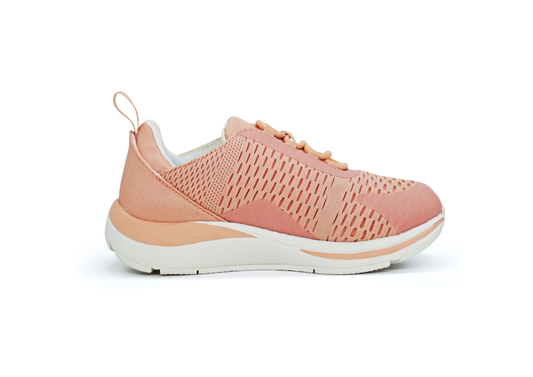
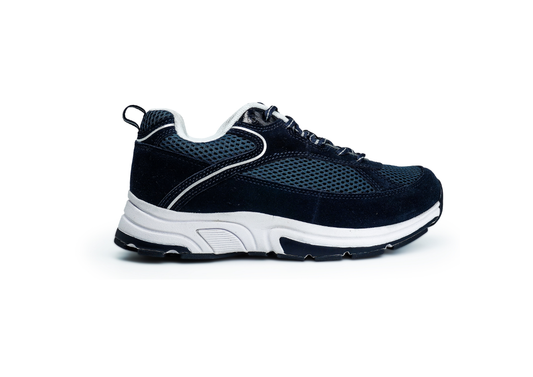
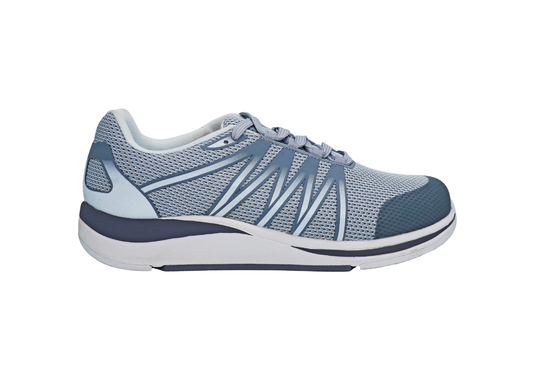
For those not yet ready for a boot, plantar fasciitis shoes with firm midsoles and deep heel cups offer a less restrictive alternative.
The 3-to-6 Week Roadmap
Structural repair typically takes three to six weeks. While a drop in pain might make you feel cured, true recovery happens during the tissue maturation phase. Abandoning the boot too early guarantees the newly formed fibers will snap under your body weight.
However, extended use can lead to muscle atrophy. To prevent this, adhere strictly to your designated timeline. Transitioning out of the boot requires a deliberate weaning schedule:
1. Days 1–2: Wear shoes for 2 hours at home.
2. Days 3–4: Increase shoe time to 4 hours.
3. Days 5–6: Split the day evenly between shoes and the boot.
4. Day 7+: Return to full-time use of supportive walking footwear.
FAQ: 10 Common Questions About Plantar Fasciitis Boots
1. Does a walking boot really help plantar fasciitis? Yes; by completely immobilizing the arch, it stops the daily micro-tears that occur during normal walking.
2. How long do I need to wear the boot? Most patients require a strict 3-to-6 week phase to allow the ligament fibers to thicken and heal.
3. What is a "rocker bottom" sole? It is a curved base that rolls your step forward, bypassing the need for your foot to bend and pull on the inflamed fascia.
4. Can I sleep in a walking boot? Typically, no. A night splint is preferred for sleep to keep the foot at a 90-degree angle without the bulk of a boot.
5. What is the difference between a boot and a night splint? A boot provides "active immobilization" for weight-bearing, while a splint provides "passive stretching" during sleep.
6. Why do I need a "leveler" shoe for the other foot? Wearing a boot makes one leg taller; a leveling shoe prevents hip and back pain caused by an uneven gait.
7. What is a pneumatic boot? It includes an air pump to create a custom, snug fit that reduces swelling and prevents friction.
8. Will my muscles get weak? Yes, some atrophy is normal. This is why you must follow a transition plan and avoid wearing the boot longer than prescribed.
9. Can I find stylish orthopedic shoes for after the boot? Yes, modern stylish orthopedic shoes hide medical-grade support inside professional designs.
10. Is a walking boot covered by insurance? Many medical boots are covered when prescribed by a doctor for specific chronic conditions or injuries.
Next Steps for Lasting Relief
To stop the cycle of re-injury, launch this action plan:
● Consult your doctor to ensure a proper fit and rule out fractures.
● Size your foot late in the day when natural swelling peaks to ensure the boot isn't too tight.
● Equip yourself with a supportive house slipper or diabetic footwear for when you aren't in the boot to avoid walking barefoot on hard tile.
Protect your foot, follow the timeline, and take that first supported step toward returning to pain-free movement.
