


Benefits of Wide Toe Box Shoes for Women: 2026 Comfort Guide
Benefits of Wide Toe Box Shoes for Women: 2026 Comfort Guide
For generations, women have been taught that beauty means pain, especially when it comes to footwear. We’ve all experienced the sheer relief of kicking off a pair of constricting shoes at the end of a long day. However, daily discomfort is not just an annoyance; it is a warning sign from your body.
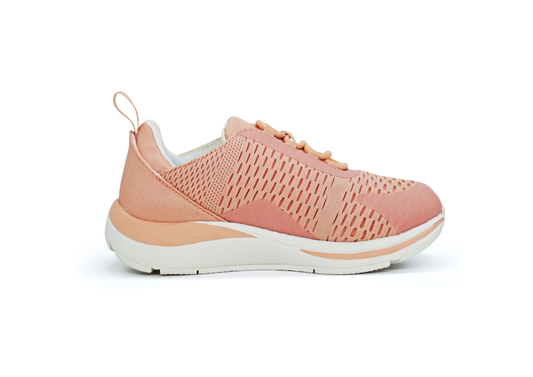
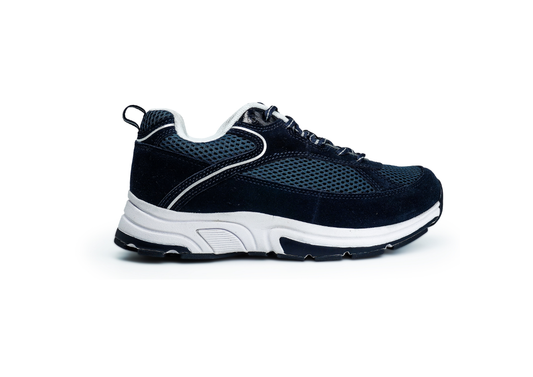
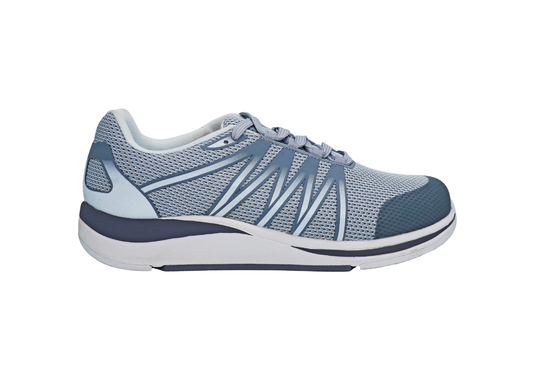
Fortunately, the footwear industry is finally prioritizing biomechanics and long-term joint health over fleeting fashion trends. Today, the demand for wide toe shoes ladies can actually enjoy wearing all day is at an all-time high. By embracing footwear that respects the natural anatomy of the human body, you can prevent injuries and improve your overall well-being.
The Hidden Dangers of Traditional Narrow Shoes
Most conventional women's shoes feature a tapered toe box that forcefully squeezes the toes into a pointed shape. Over time, this leads to structural issues:
-
Structural Damage: Forceful compression is a leading cause of bunions, hammertoes, and ingrown toenails.
-
Gait and Posture: When toes are squished, the foot loses its ability to form a stable base. This instability travels up the kinetic chain, often resulting in knee pain and hip misalignment.
-
Circulation Issues: Tingling or numbness in the toes is often a sign of restricted blood flow caused by a tight midfoot.
Top Benefits of a Foot-Shaped Toe Box
Switching to supportive walking footwear designed with a true anatomical toe box offers profound health benefits:
-
Relief from Deformities: Providing the room necessary to stop the progression of bunions and hammertoes.
-
Natural Shock Absorption: When you walk, your toes naturally fan out. A wide toe box allows the foot to function like a natural spring, reducing impact on your joints.
-
Metatarsalgia Relief: Anatomical designs distribute body weight evenly across the entire foot pad rather than concentrating it on the ball of the foot.
-
Stability: A wider "forefoot kickstand" improves balance and reduces the risk of ankle rollovers.
FAQ: 10 Common Questions About Wide Toe Shoes
-
Is "Wide Width" the same as a "Wide Toe Box"? No. Wide width increases the volume of the whole shoe. A wide toe box specifically flares at the front while keeping the heel snug to prevent slipping.
-
How do I know if I need a D or EE width? In women's sizing, 'D' is Wide and 'EE' is Extra Wide. If you feel side-pressure in a 'D' width, you likely need the extra volume of an 'EE'.
-
What is "toe splay"? It is the natural spreading of your toes when bearing weight. Orthopedic sneakers are designed to allow this for better balance.
-
Are these shoes good for diabetic feet? Yes; the extra room and seamless interiors prevent the friction that causes dangerous ulcers. See our diabetic footwear collection for options.
-
Can I wear wide toe shoes for plantar fasciitis? Absolutely. Look for models like our plantar fasciitis shoes that combine a wide toe box with firm arch support.
-
What is a "zero-drop" shoe? It means the heel and forefoot are at the same height. This aligns the spine but requires a gradual transition period for your calves.
-
Why should I measure my feet in the afternoon? Feet naturally swell (edema) throughout the day. Fitting at 4 PM ensures your shoes aren't too tight by evening.
-
Do wide toe shoes help with back pain? Yes. By leveling your foundation and allowing a natural gait, they reduce strain on the lumbar spine.
-
Can I find stylish wide toe heels? Modern stylish orthopedic shoes now offer almond-shaped or rounded toe boxes in professional block-heel designs.
-
When should I replace my shoes? Typically every 6–8 months. Once the shock absorption foam flattens, your joints take the brunt of every step.
Your Plan for Better Foot Health
-
The Trace Test: Trace your foot on paper at the end of the day. If your foot is wider than your shoe’s sole, you need a wider model.
-
The Thumb Test: Ensure a full "thumb's width" of space at the front of your walking shoes.
-
Listen to Your Body: If your current shoes cause numbness, it is a sign from your nerves to provide more room.
Investing in a podiatrist-recommended foundation, such as our therapeutic shoes, is an investment in your lifelong mobility. Treat your feet to the space they deserve!
