


Best Walking Shoes for Wide Feet (2026 Guide)
Best Walking Shoes for Wide Feet (2026 Guide)
You’ve found a sneaker you love, but five minutes into your walk, your pinky toe feels completely crushed. Most people try fixing this painful squeeze by simply buying a larger size. According to footwear specialists, going up a size only addresses your "North-South" (length) space while ignoring your actual "East-West" (width) reality, practically guaranteeing heel slippage and blisters.
Podiatrists note that human feet experience a natural "Afternoon Swell," expanding by up to half a size by evening. Accommodating this daily volume change with supportive walking footwear is the real secret to comfort, preventing you from tripping over extra toe room while saving your joints from unnecessary friction. For those managing specific conditions, choosing dedicated diabetic footwear or arthritis footwear can provide the specialized depth needed for daily relief.
Decoding the Alphabet Soup: 2E vs. 4E vs. 6E Widths
To find genuine relief, you need to understand standard versus extra-wide shoe measurements. In men's sizing, 'D' is medium, while in women's, 'B' is the standard.
-
2E (Wide): The standard "wide" fit for those who find normal shoes restrictive.
-
4E (Extra-Wide): Essential for broad feet or significant edema (swelling).
-
6E (Extra-Extra Wide): Typically found in specialized orthopedic sneakers designed for medical needs.
Nailing the right letter code guarantees your shoe won't feel like a vise grip. If you are looking for a professional yet casual look in these widths, the Aaron comfort orthopedic shoes for men offer a perfect balance of style and space.
The 'Piano Key' Test: Finding a Toe Box That Breathes
The front of the shoe—the "toe box"—needs to act like a spacious room. Verify this using the 'Piano Key' test: While standing, you should be able to lift and tap your toes independently inside the shoe. If the fabric stops this movement, you need more forefoot volume.
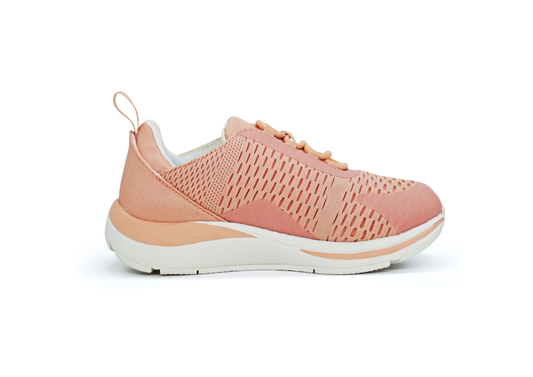
Fabric choice is also essential. Seek out breathable mesh uppers that stretch gently over unique foot shapes. When testing shoes for bunions and hammertoes, ensure there are no hard stitching lines digging into your sensitive joints. For women seeking this breathable flexibility, the Sprinter orthopedic athletic shoe rose womens is an excellent choice for active days.
FAQ: 10 Common Questions About Wide Walking Shoes
-
Can I just "size up" in a regular shoe? No. Sizing up in length often misaligns the arch support and heel, causing the shoe to bend in the wrong place and leading to kinetic chain pain.
-
Why should I measure my feet at 4:00 PM? Gravity pulls fluid to the lower extremities throughout the day. Fitting shoes at their largest volume ensures they won't pinch by evening.
-
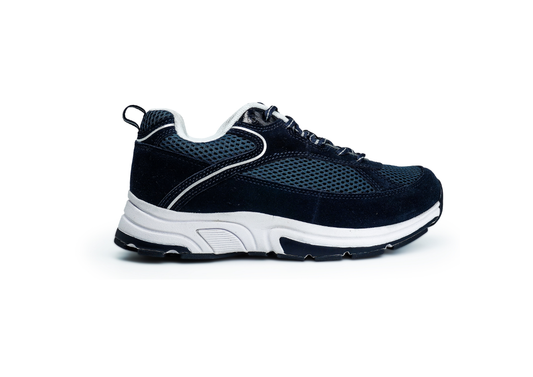
What is "overpronation"? It is when your foot rolls inward during a step. Look for stability mens orthopedic walking shoes diabetic with medial posts to keep your ankles vertically aligned.
-
Are wide shoes good for diabetic feet? Yes; the extra room and a seamless interior are critical for preventing the friction that leads to dangerous ulcers.
-
How do I know if I have a "high-volume" foot? If a 2E shoe fits your width but the laces feel like they are "strangling" the top of your foot, you have a high-volume foot and need extra depth.
-
Do wide shoes help with plantar fasciitis? Yes, by providing a stable platform and room for shock-absorbing heel inserts. You can find targeted relief in our plantar fasciitis shoes collection.
-
What is the "Twist Test"? Wring the shoe like a towel. It should firmly resist twisting to provide the lateral stability needed to protect your knees and back.
-
Can I use custom orthotics in wide walking shoes? Yes. Look for models with removable insoles, such as the Player mens orthopedic walking shoes, so your inserts can sit flat.
-
What is a "rocker bottom" sole? A curved base found in many heel pain shoes that rolls the foot forward, reducing joint effort and toe joint pressure.
-
When should I replace my walking shoes? Typically every 6 months or 400 miles. Once the therapeutic foam flattens, it no longer protects your joints.
Your 30-Day Comfort Plan
-
The Evening Fit Test: Try your new sneakers indoors during the evening when your feet are naturally at their maximum size.
-
The Thumb Test: Ensure a full "thumb's width" of space at the front of the shoe for natural toe splay.
-
Listen to Your Body: If your current shoes cause numbness or hot spots, it is a sign to provide more room. For moments at home, consider switching to slippers Roman mens to maintain support without the restriction of a standard shoe.
Investing in a podiatrist-recommended foundation ensures your daily walk remains a pain-free part of your routine. Whether you need flat feet pes planus support or a Jackson mens orthopedic sandal diabetic comfort for warmer weather, step forward with total confidence!
