
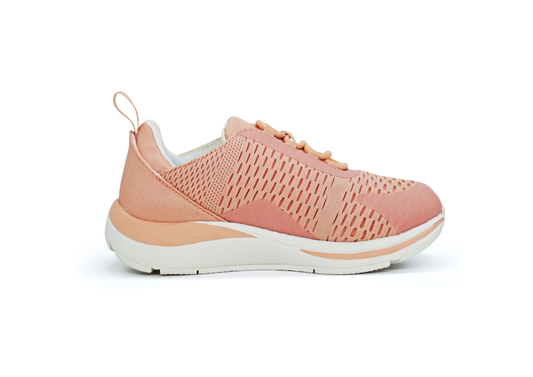
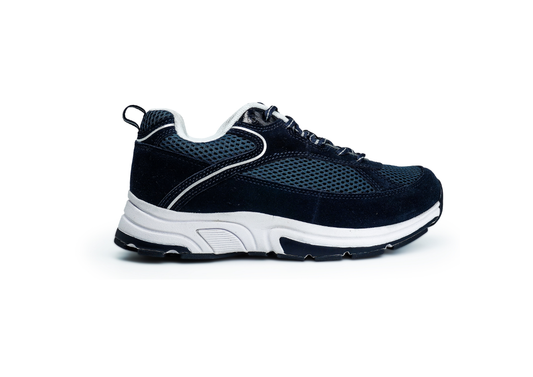

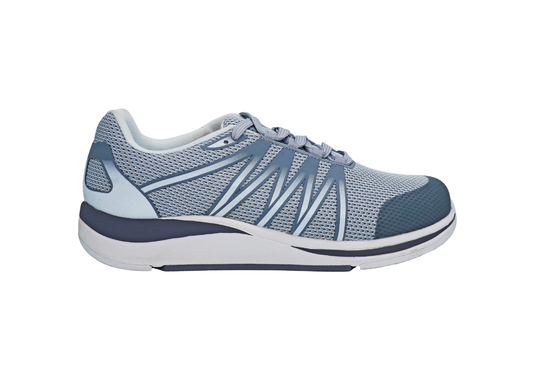

Best Wide Width Orthopedic Shoes for Women (2E & 4E Fits)
In practice, a huge gap exists between a basic "comfort shoe" and genuine wide width orthopedic shoes for women. While casual options merely add fabric, medical-grade designs provide a structured foundation encouraging natural toe splay. This lets your toes spread flat, delivering lasting foot pain relief rather than just temporary cushioning.
Ditch the Guesswork: The 5-Minute Guide to Measuring Your Foot for 2E and 4E Fittings
Notice how your shoes feel fine at breakfast but squeeze by dinner? That is the "Afternoon Swell"—a natural expansion of your feet caused by gravity and daily activity. When shopping for extra wide orthopedic shoes, measuring in the late afternoon captures your fully-expanded size to guarantee genuine all-day comfort.
You can skip the specialty store and easily master how to measure foot width for orthotics right at home:
-
Stand with your full weight on a piece of blank paper.
-
Trace your foot, keeping the pen perfectly upright.
-
Measure the widest part across the ball of your foot in inches.
Translating those inches into sizes is simple once you know the system. While standard numbers measure length, width ratings act like mattress dimensions: 2E is a "wide" fit, and 4E means "extra-wide." Unlocking the benefits of specialized fittings allows your toes to spread naturally instead of being crushed together.
The Anatomy of Relief: How Deep Toe Boxes and Arch Support Correct Your Posture
Finding the right width is only the first piece of the comfort puzzle. Think of your feet as the foundation of a house—if it is unsupported, your knees, hips, and lower back will inevitably start to ache. True orthopedic footwear goes beyond roominess; it actively rebuilds this foundation to keep your body properly aligned.
Three hidden design features work together to provide this targeted daily relief:
-
Vertical Space: Standard shoes often pinch, but creating adequate vertical clearance prevents painful friction. This extra height makes shoes like the Sprinter Orthopedic Athletic Shoe a necessity for long afternoons.
-
Heel Stability: A deep heel cup ensures proper ankle alignment. It firmly cradles the back of your foot, preventing your ankle from rolling.
-
Weight Distribution: Anatomical arch support distributes body weight evenly to relieve lower back strain. For those with specific conditions, high arch pes cavus support can be a game-changer for stability.
Managing Bunions, Hammertoes, and Swelling with Seam-Free and Adjustable Designs
If your shoes constantly rub against sensitive joints, you are likely feeling hidden seams. Finding supportive footwear for bunions requires inspecting the inside of the shoe. The benefits of seam-free interior linings are immediate—they act as a protective barrier against blisters and raw spots.
To prevent midday squeezing, specialized shoes utilize adaptable designs. Using adjustable straps allows you to effortlessly expand the shoe's volume as swelling occurs. For warmer days, the Buttercup Orthopedic Sandal or the Sawyer Women's Orthopedic Sandal provide that essential adjustable security without sacrificing style. Even at home, you shouldn't neglect support; the Breezy Slipper for women or the Rose Orthopedic Slipper keeps your feet protected on hard indoor floors.
From Sneakers to Slip-ons: Choosing Supportive Footwear for Overpronation and Neuropathy
If the inner edges of your shoes wear out first, you likely have overpronation—a tendency for feet to roll inward. To stabilize your stride, corrective walking sneakers are vital. Conversely, nerve pain requires a softer approach. Managing peripheral neuropathy with cushioned footwear protects sensitive feet by absorbing the harsh shock of hard pavements.
For those seeking convenience without compromising on medical-grade support, the Pursuit Women's Slip-On offers a perfect blend of easy entry and structured comfort. If you prefer a traditional lace-up feel, the Chippy Comfort walking shoe provides excellent stability. Ensure your footwear features removable footbeds to accommodate custom orthotic inserts if necessary.
The Right Fit Changes Everything: Your Personalized Plan
Choosing wide orthopedic shoes from Orthoshoes.in is an investment in your mobility—a smart upgrade, not a fashion compromise. Whether you need shoes for flat feet pes planus or specialized plantar fasciitis shoes, taking the first step toward pain-free movement is essential. Measure your feet, check for supportive features like deep toe boxes, and prepare for a home trial. The right fit changes everything, setting a supportive foundation for your entire body.
Frequently Asked Questions
-
How do I know if I need a 2E or 4E width? If your feet feel "spilled over" the sides of standard shoes or you experience numbness, you likely need a wider fit. Use our tracing method to confirm.
-
Can orthopedic shoes help with lower back pain? Yes. Proper heel pain shoes and arch support realign your posture, reducing strain on the spine.
-
Are these shoes suitable for diabetic foot care? Absolutely. Our designs feature seam-free linings to prevent friction, which is critical for diabetic safety.
-
What is a "deep toe box"? It provides vertical space, preventing hammertoes or bunions from rubbing against the top of the shoe.
-
Can I use custom orthotics? Yes, most models like the Sweet Walker collection feature removable footbeds for custom inserts.
-
Why measure in the afternoon? To account for "Afternoon Swell," ensuring comfort even at the end of a long day.
-
Is there a men's range available? Yes, we offer a full men's orthopedic shoe collection, including the Player Walking Shoe and the Jackson Sandal.
-
What is overpronation? It is when the foot rolls inward. Our stable walking shoes use motion-control to fix this.
-
How do adjustable straps help? They allow you to customize the fit instantly as edema (swelling) changes throughout the day.
-
How do I break them in? Wear them indoors on carpet for 30 minutes daily for the first few days to let the materials adapt.
