
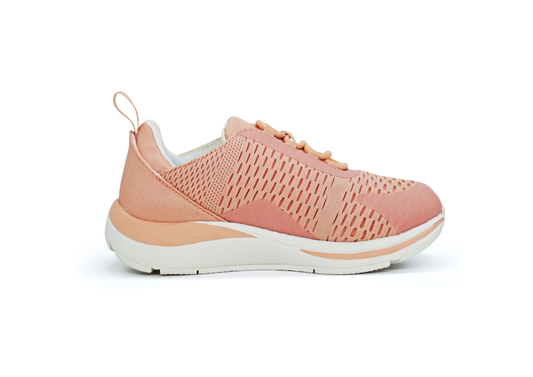
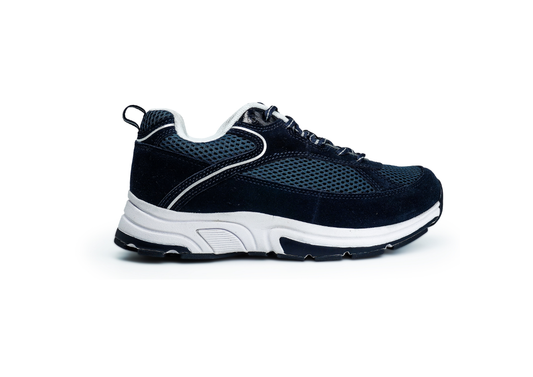

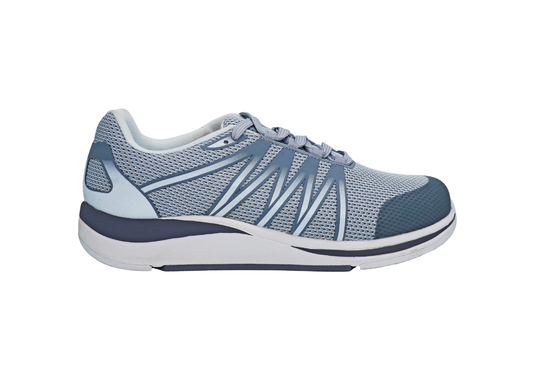

Heel Pain Support Shoes
Heel Pain Support Shoes: A Professional Selection Guide
Ending a long shift feeling like your feet are two sizes too big is a signal that your physical foundation is failing. In clinical practice, podiatry and spinal alignment demonstrate that a tilted foot causes chronic lower back pain. Finding the right heel pain support shoes begins with understanding that your feet are your body's foundation.
Modern engineering ensures that wearing the best shoes for foot pain is about lasting stamina over medical stigma. By prioritizing structural stability over superficial softness, you can protect your body's kinetic chain.
The Three Pillars of Support
The human foot operates like a building's load-bearing walls. While impact-absorbing soles act like basic shock absorbers, lasting comfort requires a rigid structure:
● Anatomical Arch Support: Prevents the foot's bridge from sagging, correcting the inward roll known as overpronation.
● Deep Heel Cups: A firm cradle that stabilizes the heel bone and gathers the natural fat pad for direct protection.
● Wide Toe Boxes: Allows for natural "toe splay," improving balance and preventing the friction that aggravates bunions.
Engineering for Specific Conditions
Identifying your unique issue dictates the exact support needed to keep your foundation level:
● Heel Spurs: Require managing calcaneal pressure. Heel pain shoes with rocker bottom soles feature a gently curved design that minimizes direct heel impact.
● Plantar Fasciitis: Needs a rigid midsole and a slight heel-to-toe drop. Specialized plantar fasciitis shoes create slack in the tight arch ligament.
● Arthritis: Arthritis footwear focuses on stability and pressure redistribution to protect sensitive joints from heavy-legged dragging.
● Diabetes: Diabetic footwear utilizes seamless linings and breathable materials to prevent dangerous friction and blisters.
The 30-Second Quality Test
Before purchasing women's orthopedic shoes or men's orthopedic shoes, perform this physical inspection:
1. The Twist (Torsional Rigidity): Wring the shoe like a towel. It must resist twisting to keep your foot aligned.
2. The Bend (Forefoot Flex): Push the toe upward. It should only flex at the toes, never across the middle arch.
3. The Squeeze (Heel Counter Firmness): Pinch the back of the shoe. A firm heel counter should not collapse under pressure.
Q&A: Common Footwear Concerns
1. Why is structural support better than soft cushioning? Soft cushions flatten under weight, whereas structural support maintains alignment to prevent the joint pain associated with collapsed arches.
2. What are "rocker soles"? These are curved bottoms that smoothly roll your step forward, reducing the energy required for each step and relieving pressure on the heel.
3. When is the best time to shop for shoes? Shop in the afternoon or evening. Feet naturally swell throughout the day, so this ensures a proper fit for your maximum foot volume.
4. Can I use custom orthotics in these shoes? Yes, provided the shoe features removable insoles to accommodate the extra volume of a prescribed insert.
5. How often should I replace my shoes? Most people should reassess every 6–12 months. Once the internal support materials compress and lose their resistance, the foundation is failing.
6. What is the "kinetic chain"? It is the mechanical link from your feet to your spine; if your feet are misaligned, it causes referred pain in the knees, hips, and back.
7. Why is a wide toe box necessary for balance? It allows your toes to splay naturally, acting as a biological kickstand that provides a more stable base for your body weight.
8. Do orthopedic shoes have to look medical? No; modern functional fashion hides advanced structural relief inside stylish orthopedic shoes.
9. What is a heel counter? It is the rigid cup at the back of the heel that locks the ankle upright, preventing inward rolling.
10. How do I break in new supportive shoes? Let your body adjust gradually. Wear them for just a few hours daily for the first few days to allow your muscles to adapt to the new alignment.
