
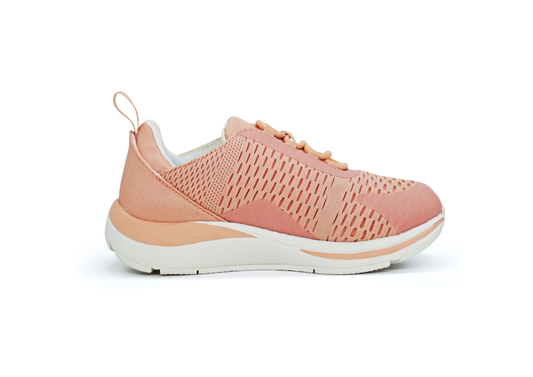
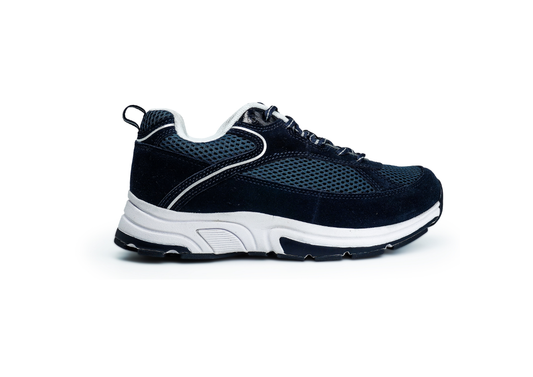

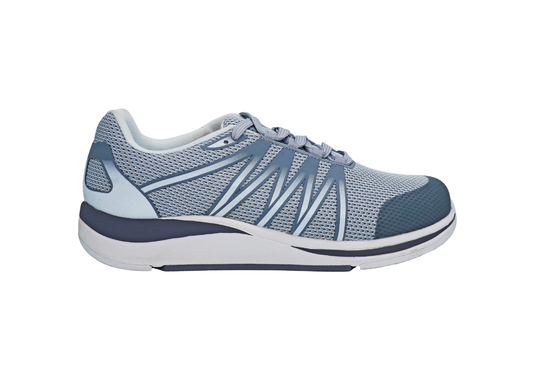

Heel Spur Support Shoes: How to Choose the Best Footwear for Heel Pain
Heel Spur Support Shoes: Your Foundation for Relief
Waking up to a sensation like stepping on a sharp thumb tack signals a heel spur. This sharp pain comes from a bony outgrowth—medically called calcaneal exostosis—caused by long-term strain. Think of it like a sharp pebble trapped under your heel that gets crushed with every step.
Finding the right shoes for heel pain requires more than picking the squishiest pair. To alleviate symptoms, your feet need true structural alignment. Proper heel spur support shoes transform your experience by focusing on three pillars: a deep heel cup, firm arch support, and a rigid midsole.
The 'Suspension Bridge' Strategy
Imagine your foot as a suspension bridge. To protect the heel anchor, orthopedic footwear with deep heel cups works by physically "cupping" the natural fat under your heel. This gathers your body’s built-in padding to shield the painful spur.
● Deep Heel Cup: Stabilizes the heel and centers the fat pad for direct protection.
● Arch Support: Relieves mechanical tension by lifting the midfoot.
● Medial Reinforcement: Found in men's orthopedic shoes, this keeps your stride aligned and prevents the inward rolling that grinds the bone.
The 'Marshmallow' Trap: Why Soft Shoes Can Fail
It is common to seek the squishiest footwear, but sinking into a soft footbed forces muscles to work overtime, leading to fatigue and increased strain. Instead, look for shock-absorbing midsoles that scatter impact energy outward.
Additionally, rocker bottom soles feature a gently curved design that allows you to roll forward like a rocking chair. This motion minimizes direct heel impact, making them ideal sneakers for heel spurs.
The 30-Second In-Store Inspection
Before buying, perform this 3-step physical diagnostic to ensure the shoe acts as a sturdy frame:
1. The Twist: Wring the shoe like a towel. It must resist twisting to keep your foot aligned.
2. The Bend: Push the toe upward. It should only flex at the toes, never across the middle arch.
3. The Squeeze: Pinch the back of the shoe. A firm heel counter should not collapse under pressure.
FAQ: 10 Common Questions About Heel Spur Shoes
1. What is the difference between a heel spur and plantar fasciitis? A spur is a bony growth on the heel bone, while fasciitis is inflammation of the arch ligament; however, they often occur together.
2. Can a shoe "cure" a heel spur? Shoes don't remove the bone, but they provide the orthopedic support needed to stop the inflammation and pain.
3. Why do I need a deep heel cup? It prevents the natural fat pad under your heel from spreading out, keeping it directly under the bone for cushioning.
4. Is walking barefoot okay at home? No; hard floors put direct pressure on the spur. Use supportive slippers immediately upon waking.
5. Are rocker soles better than flat soles? Yes, because they roll the foot forward, reducing the force of the "heel strike" phase of walking.
6. Can I find stylish shoes for heel spurs? Modern stylish orthopedic shoes hide medical-grade support within professional and casual designs.
7. What is a "medial post"? It is a firmer section of the sole that prevents overpronation (inward rolling), which is essential for heel stability.
8. Can I use custom orthotics in these shoes? Yes, provided the shoe has removable insoles to accommodate the extra volume.
9. What features should I look for in work boots? Look for a rigid midsole and a built-in shank to block impact from concrete floors.
10. How often should I replace my shoes? Reassess every 6–12 months; once the internal support compresses, the "shock absorption" is gone.
Your 4-Step Plan to Pain-Free Walking
Start by wearing your new supportive shoes for just two hours a day to let your muscles adapt. Protect your progress by never walking barefoot on hard floors. Think of proper arthritis footwear or spur-support shoes as fixing a car's alignment—they stop uneven wear so you can move forward comfortably.
