
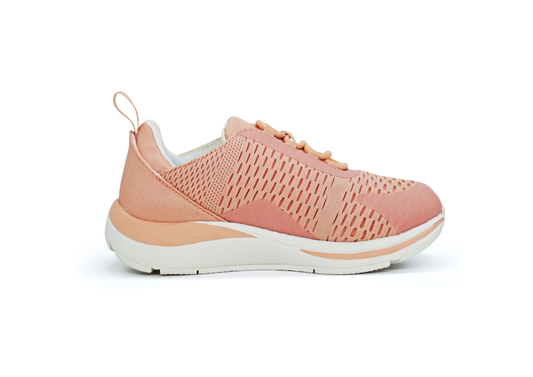
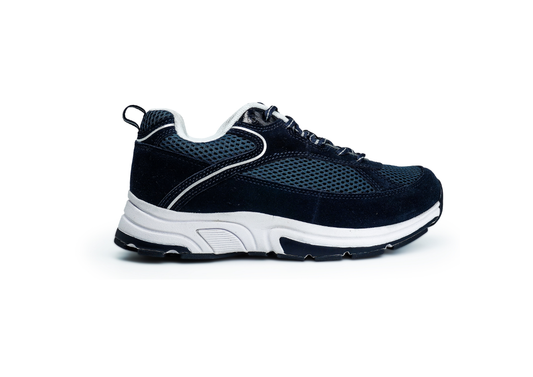

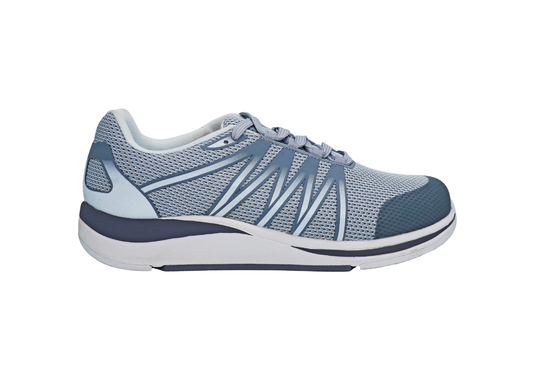

heel support shoes
Orthopedic Shoes for Heel Pain: Expert Guide to Heel Support Shoes for Relief and Comfort
By Dr. Subramanyam Balaji, Ortho Shoes Corporation
Heel pain can limit activity and reduce mobility. Orthopedic shoes are designed to support the foot, reduce heel stress, and improve comfort. This guide summarises the key features, benefits and selection tips so you can choose appropriate heel support shoes for daily relief.
Expert Guide on Orthopedic Shoes for Heel Pain
Orthopedic shoes provide targeted support for heel pain and related foot issues. They are shaped to accommodate different anatomies and common conditions, improving foot function and reducing pain when the correct type is chosen.
Key Features of Orthopedic Shoes for Heel Pain
Effective orthopedic footwear combines design elements that lower stress on the heel and support healthy foot mechanics. Key features include:
- Arch Support: Distributes weight evenly to reduce heel pressure.
- Cushioned Soles: Absorb shock and soften impact during walking or standing.
- Wide Toe Box: Allows natural toe movement and reduces forefoot pressure.
Together these features create a stable, supportive environment that helps relieve symptoms and improve function.
The comprehensive design principles of orthopedic insoles, including support, cushioning, and comfort, are crucial for their effectiveness in alleviating foot pain and aiding rehabilitation.
Orthopedic Insole Design: Support, Cushioning & Comfort
The design principles of the insoles include fouraspects: adjusting the force bearing point of the vola and dispersing plantarpressure; supporting the arch of the foot, improving cushioning ability;improving the force line of the lower limb, providing a stable support; improvingproprioception and foot comfort. Orthopedic insoles can be divided into threetypes: prefabricated, semi-customized and customized. Orthopedic insoles canplay an effective prevention and rehabilitation function in ankle, knee, spinaldeformity, hemiplegia-type cerebral palsy in children, and sports injuries.
Design principle and biomechanical function of orthopedic insoles, 2020
Benefits of Orthopedic Shoes
Wearing orthopedic shoes can deliver clear advantages for people with heel pain:
- Pain Relief: Reduces symptoms from plantar fasciitis, heel spurs and similar conditions.
- Improved Foot Function: Supports alignment and mobility.
- Injury Prevention: Lowers the risk of worsening conditions by reducing focal stress.
Choosing quality orthopedic footwear can be an effective element of treatment and prevention.
How Orthopedic Shoes Alleviate Discomfort
These shoes redistribute plantar pressure, support deformities (flat feet, high arches), and use cushioning to reduce impact. The combination lowers pain and increases comfort during weight-bearing activities.
Who Needs Orthopedic Shoes?
Orthopedic shoes suit several groups:
- Individuals with Chronic Foot Pain: People with plantar fasciitis or arthritis often benefit.
- People with Foot Deformities: Flat feet, high arches or bunions gain added support.
- Those Recovering from Injury: Provide stability and comfort during rehabilitation.
Appropriate footwear can meaningfully improve daily comfort and mobility for persistent issues.
Choosing the Right Orthopedic Shoes
To get maximum relief, follow these practical tips:
- Consult a Professional: A podiatrist or orthopaedic specialist can recommend the right type.
- Consider Foot Type: Choose shoes that match flat, neutral or high-arched feet.
- Prioritise Comfort and Fit: A good fit encourages regular use and ensures the shoe works as intended.
For clinically informed options, Ortho Shoes offers therapeutic footwear that addresses common foot ailments, including heel pain.
What Are Heel Support Shoes and How Do They Alleviate Heel Pain?
Heel support shoes focus cushioning and structure at the heel to reduce stress and improve gait. Their shape, materials and sole design work together to lower peak pressures and protect the plantar fascia.
Design Features
Typical design elements include:
- Anatomical Arch Support: Promotes alignment and reduces heel strain.
- Cushioned, Shock-Absorbing Soles: Soften impact and improve comfort.
Materials Used
Common materials that improve effectiveness:
- Durable Fabrics: Maintain structure and durability.
- Cushioning Materials: Soft, energy-absorbing layers reduce heel pressure.
Specific Benefits for Users
Typical user outcomes include:
- Pain Relief: Many users report reduced heel pain with consistent use.
- Improved Mobility: Better comfort supports increased activity.
How Do Heel Support Shoes Provide Targeted Cushioning and Arch Support?
Contoured footbeds and energy-absorbing midsoles attenuate shock while arch support maintains alignment. This lowers peak heel pressure and reduces activity-related pain.
Further studies underscore the importance of consistent arch support, even suggesting the use of orthotic sandals for extended relief from plantar fasciitis.
Orthotics & Orthotic Sandals for Plantar Fasciitis Relief
Plantar fasciitis (PF) affects around 10% of the population. Prefabricated orthotics with arch support has been shown to provide symptom relief in PF by decreasing the repetitive stress sustained by the plantar fascia. However, prefabricated orthotics are only effective when shoes are worn, meaning the foot may be left unsupported when it is impractical to wear shoes. Using orthotic sandals in conjunction with prefabricated orthotics may increase PF symptom relief, as they can be worn inside the home, extending the period in which the foot is supported.
Use of orthotics with orthotic sandals versus the sole use of orthotics for plantar fasciitis: Randomised controlled trial, 2023
Which Foot Conditions Benefit Most from Heel Support Shoes?
Heel support shoes help conditions such as:
- Plantar Fasciitis: Supports the plantar fascia and reduces heel pain.
- Heel Spurs: Spreads load and lowers focal irritation at the spur.
Research further supports the efficacy of orthopedic footwear in managing common conditions like plantar fasciitis.
Plantar Fasciitis: Effectiveness of Shoe Inserts & Orthopedic Shoes
Context:Plantar fasciitis is one of the most common foot injuries. Several mechanical treatment options, including shoe inserts, ankle-foot orthoses, tape, and shoes are used to relieve the symptoms of plantar fasciitis.Objectives:To investigate the effectiveness of mechanical treatment in the management of plantar fasciitis.
Effectiveness of mechanical treatment for plantar fasciitis: a systematic review, K Postema, 2019
Which Are the Best Shoes for Plantar Fasciitis and Heel Spurs?
Choose shoes with:
- Good Arch Support: Adequate arch support helps unload the heel.
- Cushioned Soles: Thick, cushioned midsoles absorb shock and reduce impact.
How Do Orthopedic Heel Pain Shoes Prevent and Relieve Heel Spurs?
By limiting focal pressure with arch support and cushioning, these shoes spread load across the foot and reduce irritation at the spur during weight-bearing activity.
How to Choose Comfortable Shoes with Arch and Heel Cushioning for Daily Wear?
When selecting daily footwear, prioritise:
- Proper Fit: Not too tight or loose.
- Quality Materials: Breathable, supportive fabrics that maintain comfort.
What Materials and Designs Enhance Heel Cushioning and Support?
Look for:
- Breathable Fabrics: Keep feet cool during wear.
- Supportive Designs: Contoured footbeds and stable midsoles.
Are There Specialized Shoes for Diabetic and Arthritis Heel Support?
Yes. These models often include:
- Extra Padding: To protect sensitive feet and reduce pressure sores.
- Adjustable Straps: To accommodate swelling and ensure a secure fit.
Where Can You Find Trusted Orthopedic Heel Support Shoes in India?
Trusted orthopedic heel support shoes are sold by specialist retailers and reputable online stores. Choose brands focused on orthopedic design and consult verified customer reviews for comfort and effectiveness.
Why Choose Ortho Shoes for Heel Pain Relief?
Ortho Shoes is an Indian brand specialising in therapeutic footwear for common foot ailments, including heel pain. Their purpose-built designs and quality materials make them a reliable option for daily relief.
How to Use Structured Data and Reviews to Identify Quality Heel Support Footwear?
To judge quality, research product features and read customer reviews to confirm real-world comfort and support. These checks help you pick shoes that meet medical and practical needs.
Frequently Asked Questions
What should I look for when buying orthopedic shoes for heel pain?
Look for arch support, cushioned soles and a wide toe box. These features promote alignment, absorb shock and prevent forefoot pressure. A podiatrist can recommend the best shoe for your foot type.
Can I wear orthopedic shoes all day?
Yes. Properly fitted orthopedic shoes are intended for extended wear and support daily activities. If they cause discomfort, consult a healthcare professional to check fit or model.
Are there specific brands known for quality orthopedic shoes?
Brands such as Ortho Shoes, New Balance and Brooks are known for supportive, durable footwear. Use reviews and professional advice to find the best match.
How do I know if orthopedic shoes are working for me?
Track pain levels and mobility. Reduced heel pain, greater comfort during activity and less soreness after use indicate they are effective. Seek professional advice if pain persists.
Can children benefit from orthopedic shoes?
Yes. Children with flat feet, high arches or structural issues may benefit from supportive shoes. Consult a paediatric podiatrist for assessment and recommendations.
How often should I replace my orthopedic shoes?
Replace shoes every 6–12 months depending on use and wear. Replace them sooner if cushioning feels reduced, soles show wear, or support weakens.
Are there any lifestyle changes I should consider alongside wearing orthopedic shoes?
Combine footwear with weight management, low-impact exercise and foot stretches. These steps complement shoes and help reduce heel pain. Consult a professional for tailored advice.
