
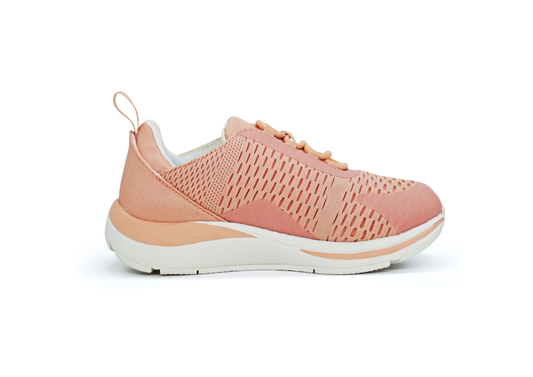
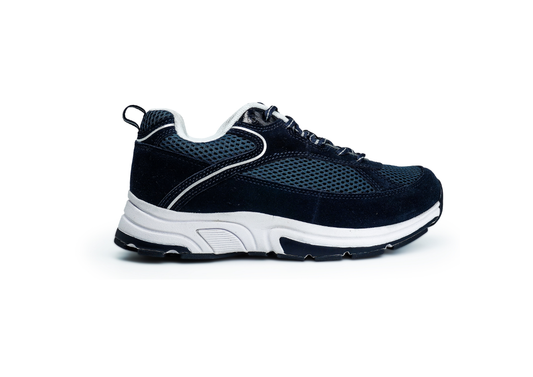

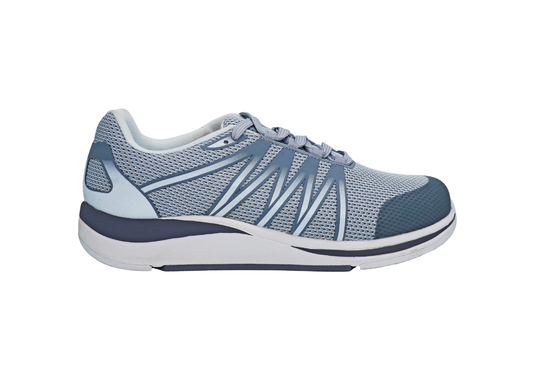

shoes for heel pain
Orthopedic Shoes for Heel Pain Relief: Expert Guide to Comfortable and Supportive Footwear
By Dr. Subramanyam Balaji, Ortho Shoes Corporation
Heel pain can limit activity and quality of life. This guide examines orthopedic shoes built to reduce heel pain and support foot health, summarising key features, how they work, who benefits, and practical buying advice.
Comprehensive Guide on Orthopedic Shoes for Heel Pain Relief
Orthopedic shoes are designed to combine stability, cushioning and arch support to ease heel pain, protect tissues and aid recovery. They are useful for chronic pain, structural deformities, and post-injury recovery.
Key Features of Orthopedic Shoes
Effective heel-pain shoes include targeted support, a roomy fit, and shock-absorbing soles. Core features are shown below:
| Feature | Description | Benefit |
|---|---|---|
| Customizable Support | Adjustable insoles and arch supports | Tailored fit for individual foot shapes |
| Wider and Deeper Fit | Accommodates foot deformities | Reduces pressure on sensitive areas |
| Cushioned and Shock-Absorbing Soles | Soft materials that absorb impact | Minimizes stress on the heel and joints |
These elements together create a stable, cushioned environment that reduces strain and improves comfort during daily activities.
How Orthopedic Shoes Alleviate Heel Pain
Orthopedic shoes reduce heel pain by redistributing load with arch support, absorbing impact with cushioning, and improving alignment through firm heel counters. These mechanical effects help conditions such as plantar fasciitis and heel spurs.
Ortho Shoes is an Indian orthopedic footwear brand that specialises in therapeutic designs incorporating advanced cushioning and ergonomic lasts to suit varied foot anatomies.
Who Needs Orthopedic Shoes?
Several groups commonly benefit from supportive footwear:
- Individuals with Chronic Foot Pain: Supportive shoes can reduce daily discomfort.
- People with Foot Deformities: Designed shapes and roomy toe boxes accommodate bunions or hammertoes.
- Individuals Recovering from Injury: Extra cushioning and stability aid rehabilitation.
Understanding which group fits your situation helps when choosing footwear for long-term care.
Expert Recommendations for Effective Footwear Choices
To select useful orthopedic shoes, focus on practical fit and support factors. Experts advise:
- Consulting a Professional: A podiatrist can recommend features tailored to your feet.
- Looking for Key Features: Prioritise arch support, cushioning, a stable heel counter, and removable insoles.
- Considering Lifestyle: Match shoes to daily activities—work, walking, or casual wear.
If you want ready options, Ortho Shoes offers a range designed to balance comfort and therapeutic support.
What Causes Heel Pain and How Can Orthopedic Shoes Help?
Heel pain arises from issues such as plantar fasciitis, heel spurs, and overuse. Identifying the cause guides treatment; shoes that cushion and support can lower tissue stress and absorb impact.
Understanding Plantar Fasciitis and Heel Spurs as Common Conditions
Plantar fasciitis is inflammation of the plantar fascia and often causes sharp heel pain with the first steps after rest. Heel spurs are bony projections linked to chronic strain; both can reduce mobility and daily comfort.
Research supports the effectiveness of mechanical treatments, including specialised footwear, in managing conditions such as plantar fasciitis.
Mechanical Treatments for Plantar Fasciitis Relief
Context: Plantar fasciitis is one of the most common foot injuries. Several mechanical treatment options, including shoe inserts, ankle-foot orthoses, tape, and shoes are used to relieve the symptoms of plantar fasciitis. Objectives: To investigate the effectiveness of mechanical treatment in the management of plantar fasciitis.
Effectiveness of mechanical treatment for plantar fasciitis: a systematic review, K Postema, 2019
How Cushioning and Arch Support Reduce Heel Pain
Cushioning absorbs repetitive impact and reduces load on the heel, while arch support improves alignment and spreads pressure across the foot. Combined, these features reduce pain and promote recovery.
Which Features Define the Best Shoes for Heel Pain Relief?
Prioritise the following when shopping for heel-pain footwear:
- Customizable Support: Removable insoles and adjustable arch options.
- Wider Fit: Roomy toe box and deeper volume for deformities or swellings.
- Durable Construction: Quality materials preserve support over time.
Advanced Cushioning Technologies and Heel Support Materials
Many models use memory foam, gel inserts, or layered midsoles to improve shock absorption and reduce peak forces on the heel.
Ergonomic Design Tailored for Individual Foot Anatomy
Ergonomic lasts, a pronounced arch, and a stable heel help align the foot and avoid pressure points—important for long-wear comfort.
How to Choose the Right Orthopedic Shoes for Your Specific Needs?
Start by assessing foot structure and daily activity, then match shoe features accordingly. Use these quick guidelines:
- Consider Foot Condition: Flat feet, high arches, diabetes or post-op needs require specific features.
- Evaluate Activity Level: Pick a model suited for walking, standing long hours, or light exercise.
- Look for Specific Features: Ensure proper arch support, cushioning and fit before purchase.
Selecting Men's and Women's Heel Pain Shoes Collections
Choose collections shaped for your anatomy: women’s models often have a narrower last, while men’s styles may offer broader support and volume.
Footwear Options for Diabetic and Arthritis Patients
Diabetic or arthritic feet benefit from seamless interiors, adjustable closures and extra depth to reduce friction and accommodate swelling.
What Do Customers Say About Their Experience with Heel Pain Shoes?
Customer feedback commonly highlights reduced pain and improved activity after switching to supportive footwear, emphasising practical daily benefits.
Real Testimonials Highlighting Pain Relief and Comfort
Many users report noticeable comfort gains and increased mobility within weeks of consistent wear.
Clinical Endorsements and Doctor Recommendations
Podiatrists and clinicians frequently recommend supportive footwear as part of a conservative treatment plan for heel pain.
Frequently Asked Questions
1. How do I know if I need orthopedic shoes?
Consider them if you have persistent heel pain, walking pain, or foot deformities. A podiatrist can advise on the best features or prescriptions.
2. Can orthopedic shoes be stylish as well as functional?
Yes—many brands now blend therapeutic elements with modern styles, so you can find attractive options without sacrificing support.
3. How often should I replace my orthopedic shoes?
Replace them every 6–12 months depending on use and wear. Replace sooner if cushioning or support degrades.
4. Are there specific brands known for quality orthopedic shoes?
Several brands, including Ortho Shoes, New Balance and Brooks, offer reputable models. Compare fits and reviews to find the right match.
5. Can I use custom orthotics with orthopedic shoes?
Yes. Choose shoes with removable insoles to accommodate custom orthotics and ensure correct alignment.
6. What should I look for when trying on orthopedic shoes?
Prioritise fit: enough toe-room, arch support aligned with your foot, stable heel, and comfortable cushioning. Test by walking and try shoes later in the day when feet may be slightly swollen.
7. Are orthopedic shoes covered by insurance?
Coverage varies. Some insurers cover therapeutic footwear with a prescription—check with your provider and keep documentation if required.
