
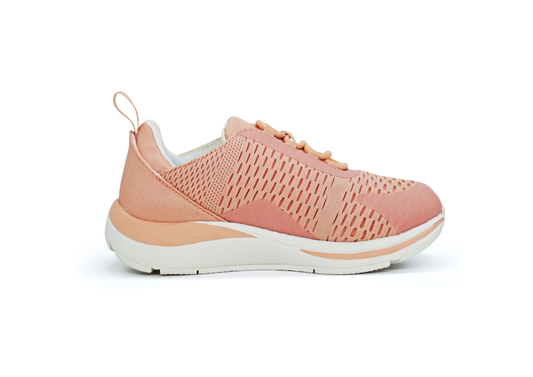
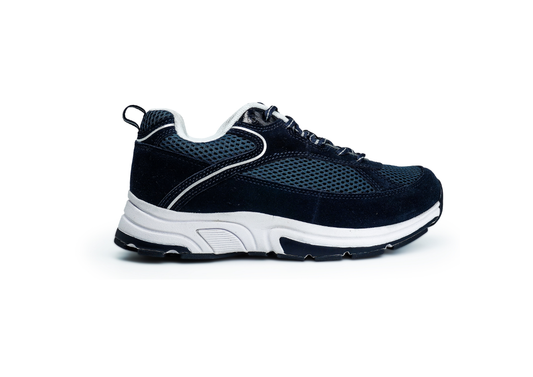

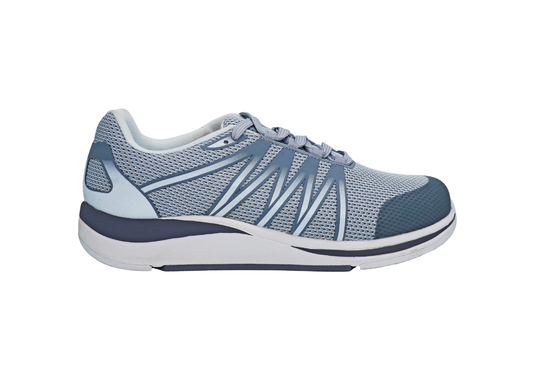

orthopedic walking shoes
Best Orthopedic Walking Shoes for Foot Pain Relief and Comfort
By Dr. Subramanyam Balaji, Ortho Shoes Corporation
Orthopedic walking shoes are designed to support and cushion feet for common conditions. They reduce pain, redistribute weight, and help maintain foot health. This article outlines key design features, how shoes address plantar fasciitis, diabetes, and arthritis, and which options suit specific needs. Choosing appropriate footwear can noticeably improve everyday comfort and mobility.
What Are Orthopedic Walking Shoes and How Do They Support Foot Health?
Orthopedic walking shoes combine arch support, targeted cushioning, and a roomy toe box to lower pressure on sensitive areas and promote alignment. These design elements improve weight distribution and reduce mechanical stress during walking, which can lessen pain and help prevent further complications.
Proper footwear plays a central role in managing foot and ankle alignment and preventing related problems.
Orthotic Footwear for Foot & Ankle Alignment & Pain Relief
Controlling foot and ankle alignment with orthotic devices and footwear can reduce compensatory movements and the associated painful complications.
Foot deformities, biomechanical and pathomechanical changes associated with aging including orthotic considerations, part II, 2003
How Do Orthopedic Shoes Alleviate Common Foot Conditions?
Orthopedic shoes relieve pain from plantar fasciitis, diabetes-related foot problems, and arthritis by delivering focused support and cushioning. They work through several targeted mechanisms, including:
- Arch Support: Distributes weight evenly across the foot, reducing strain on the plantar fascia and other structures.
- Cushioning: Absorbs shock and minimizes impact for sensitive feet.
- Stability: Maintains proper alignment and lowers injury risk.
Combined, these features help reduce pain and improve daily function for people with chronic foot issues.
Which Features Define Comfortable Orthopedic Walking Shoes?
Comfort and clinical effectiveness typically stem from:
- Arch Support: Supports alignment and reduces arch strain.
- Cushioning: Adds shock absorption and comfort.
- Wide Toe Box: Lets toes move naturally and relieves forefoot pressure.
These elements together create a more comfortable, stable walking experience for people with foot pain.
Which Orthopedic Walking Shoes Are Best for Specific Conditions?
Different conditions benefit from specific features. Practical recommendations:
- For Plantar Fasciitis: Prioritise strong arch support and good cushioning; consider men's orthopedic walking shoes or equivalent women's models from reputable brands.
- For Diabetes: Choose seamless interiors and well-cushioned insoles to reduce blister and sore risk.
- For Arthritis: Select shoes with a wide toe box and adjustable straps to accommodate swelling and improve comfort.
Choosing shoes that address the primary problem for each condition improves symptom management.
Research supports footwear interventions to improve pain, function, and disability in people with arthritis.
Footwear Interventions for Arthritis Foot Pain
The key inclusion criteria were studies reporting on findings of footwear interventions for people with arthritis with foot pain, function, impairment and/or disability.
Footwear interventions for foot pain, function, impairment and disability for people with foot and ankle arthritis: a literature review, 2018
What Are the Benefits of Orthopedic Shoes for Plantar Fasciitis?
Shoes for plantar fasciitis offer clinical advantages such as:
- Arch Support: Reduces pressure on the plantar fascia and eases pain.
- Cushioning: Improves shock absorption for painful steps.
- Stability and Alignment: Encourages proper alignment to prevent further issues.
Tailoring footwear and orthotics to the individual improves outcomes for plantar fasciitis.
Footwear & Orthotics for Plantar Fasciitis Treatment
Many treatment options exist, including rest, stretching, strengthening, change of shoes, arch supports, orthotics, night splints, anti-inflammatory agents and surgery. Usually, plantar fasciitis can be treated successfully by tailoring treatment to an individual's risk factors and preferences.
Treatment of plantar fasciitis, 2001
How Do Diabetic Orthopedic Shoes Protect and Support Feet?
Diabetic orthopedic shoes protect feet at higher risk of injury. Key protective features include:
- Seamless Interior: Reduces friction and the chance of blisters and sores.
- Cushioned Interiors: Adds comfort and shock absorption for sensitive feet.
- Arch Support: Maintains alignment and reduces strain.
These design choices help prevent injuries and support foot health in people with diabetes.
How Can Orthopedic Walking Shoes Provide Effective Heel Pain Relief?
Specialised walking shoes relieve heel pain through focused design. Important aspects include:
- Design Features: A cushioned heel and arch support reduce pressure on the heel.
- Materials Used: Quality materials increase durability and comfort for long-term wear.
- User Testimonials: Many users report reduced pain after switching to supportive orthopedic shoes.
These elements make orthopedic shoes effective in managing heel pain.
What Shoe Features Are Essential for Heel Pain Support?
Prioritise these features for heel pain:
- Heel Cushioning: Absorbs shock and lowers heel impact.
- Arch Support: Keeps alignment to reduce heel strain.
- Shock-Absorbing Soles: Add comfort and stability while walking.
Combined, these features provide meaningful relief for many people.
Are Heel Pain Relief Shoes Suitable for Daily Walking?
Yes. Heel pain relief shoes are intended for regular wear. Look for:
- Structured Arch Support: To maintain alignment during daily activities.
- Cushioned Midsole: For ongoing shock absorption.
- Roomy Toe Box: To allow natural toe movement and improve comfort.
These traits make such shoes practical for everyday walking.
How to Choose the Best Orthopedic Walking Shoes for Your Needs?
Choose shoes by considering:
- Consult a Professional: A podiatrist or orthopedic specialist can identify your needs.
- Look for Key Features: Ensure adequate arch support, cushioning, and a wide toe box.
- Assess Your Foot Type: Knowing your foot type helps you pick the most comfortable model.
These steps guide you to footwear that provides reliable support.
What Factors Should You Consider When Selecting Orthopedic Shoes?
Evaluate these practical factors:
- Fit: Shoes should fit well and support without excessive tightness.
- Material: Breathable, durable materials improve comfort and longevity.
- Cushioning Options: Choose cushioning appropriate for your activity level and sensitivity.
Considering fit, materials, and cushioning helps ensure the shoes meet your needs.
Where Can You Find Trusted Orthopedic Walking Shoes?
Reputable brands specialise in orthopedic footwear and offer options such as men's and women's orthopedic walking shoes, diabetic footwear, heel pain relief shoes, and arthritis footwear. Choosing established brands helps ensure you invest in footwear that supports foot health and reduces pain.
Frequently Asked Questions
1. Can orthopedic walking shoes be worn for sports or exercise?
They are suitable for daily wear and light exercise. For high-impact or lateral-movement sports, use sport-specific athletic footwear. Consult a podiatrist if unsure which model matches your activity.
2. How often should I replace my orthopedic walking shoes?
Replace them every 6 to 12 months depending on use. Signs you need a new pair include worn soles, reduced cushioning, or new discomfort. Regular checks keep support consistent.
3. Are there specific brands known for high-quality orthopedic walking shoes?
Brands known for supportive footwear include New Balance, Brooks, ASICS, and Skechers. Check technologies, materials, user reviews, and clinician advice when choosing a brand.
4. Can I use custom orthotics with orthopedic walking shoes?
Many models accept custom orthotics; look for removable insoles. Ask a podiatrist to confirm compatibility and optimise fit.
5. What should I do if my orthopedic shoes cause discomfort?
First check the fit and support. If problems continue, see a podiatrist or orthopedic specialist to assess foot structure and recommend alternative styles or orthotic adjustments.
6. Are orthopedic walking shoes suitable for all foot types?
They can suit flat feet, high arches, and neutral arches, but select models that address your specific foot type and conditions. A specialist can help match features to your needs.
7. How do I properly care for my orthopedic walking shoes?
Clean shoes with a soft brush or cloth and avoid machine washing unless allowed. Store them in a cool, dry place and use shoe trees to preserve shape. Inspect for wear and replace shoes when support declines.
