


Non-Weight-Bearing Boots: What They Do and How They Work
Non-Weight-Bearing Boots: What They Do and How They Work
You’ve been told you are "non-weight-bearing," and suddenly your own home feels like an impossible obstacle course. Looking at your leg, you might wonder why you need a walking boot if you aren't allowed to walk.
According to standard orthopedic protocol, this device isn't a shoe substitute—it is a protective vault for delicate healing hardware. Whether you are following a strict stress fracture protocol or an Achilles tendon recovery timeline, non-weight-bearing means exactly zero pounds of pressure.
Adopt the "Glass Floor" mindset: imagine the ground is made of fragile glass. Putting down even a fraction of your weight shatters your progress and restarts the healing clock.
How a Walking Boot Works (When You Aren't Walking)
A CAM (Controlled Ankle Motion) walker acts as a protective shield, locking your joints in place so bones or tendons can safely knit back together. To provide this 360-degree armor, your device relies on four key components:
● The Shell: The hard plastic outer shield that blocks external impact.
● The Liner: Soft padding for skin comfort.
● The Straps: Velcro strips used to secure the fit and prevent internal sliding.
● Air Bladders: A built-in pump system used for edema (swelling) control.
Underneath, the rigid rocker-bottom sole stops micro-movements. While it looks like it’s made for walking, in this phase, it serves as a stabilizer to ensure that if you accidentally "tap" the floor, the impact is redistributed away from the injury.
Crutches vs. Knee Scooters: Navigating Without the Floor
Since you aren't stepping down, you are entirely dependent on mobility aids. Choosing the right one depends on your environment:
|
Tool |
Best For |
Pro Tip |
|
Crutches |
Stairs & Tight Spaces |
Ensure pads sit 2 inches below armpits to avoid nerve damage. |
|
Knee Scooter |
Flat Hardwood Floors |
Take wide, slow turns to prevent the scooter from tipping. |
|
iWALK (Hands-Free) |
Going Up Stairs |
Great for balance but requires good hip strength. |
Propelling yourself on one leg requires significantly more energy. Expect "muscle fatigue" in your good leg and upper body, and keep trips to the kitchen or bathroom short.
FAQ: 10 Common Questions About Medical Boots
1. Can I take the boot off to sleep? Only if explicitly cleared by your doctor. Most protocols require 24/7 wear to prevent accidental "point-and-flex" movements that can re-tear tendons.
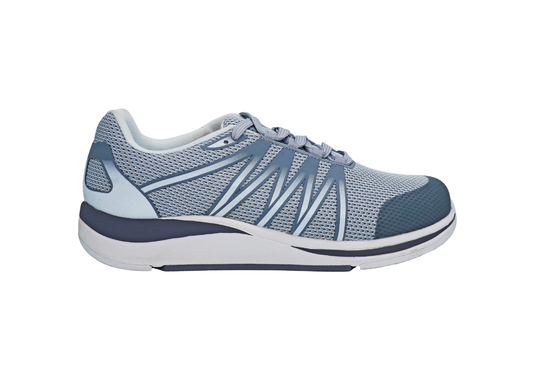
2. Why does my hip hurt on the "good" side? The boot adds ~3 inches of height, creating a leg length discrepancy. Use supportive walking footwear with a thick sole on your healthy foot to level your hips.
3. How do I clean the liner? Most fabric liners are removable. Hand-wash with mild soap and air dry only. High heat from a dryer can warp the specialized foam.
4. Can I drive with a boot on my right foot? Standard medical advice is no. It is unsafe and often illegal, as the boot restricts the reaction time needed to move between the gas and brake.
5. What are the air bladders for? They allow you to customize the fit. As swelling (edema) goes down, you pump them up to keep the leg immobilized.
6. How do I shower? Use a dedicated waterproof cover. Never balance on one leg in a wet tub; use a stable shower chair for safety.
7. Why are my toes cold? Check your straps. If the boot is too tight, it can restrict circulation. If numbness persists, contact your doctor immediately.
8. Can I use orthotic inserts inside the boot? Some boots allow for this to provide extra arch support, but always check with your physical therapist first.
9. How do I stop the boot from "smelling"? Wear moisture-wicking diabetic-style socks inside the liner to absorb sweat and prevent bacterial growth.
10. When can I start walking again? This is determined by X-rays or ultrasounds. Your doctor will move you to "Partial Weight Bearing" (PWB) before you can fully walk.
Life-Hacks for Recovery
● The Pillow Fortress: Place one cushion under your calf and another against your outer leg at night. This stops the boot from painfully rotating outward while you sleep.
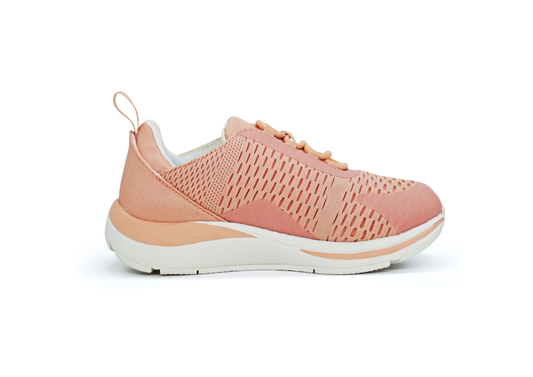
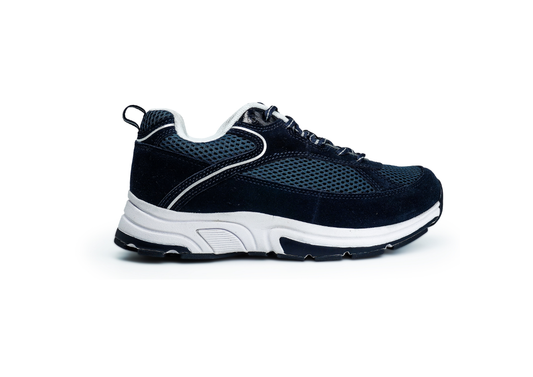
● The "Good" Shoe: Wear men's orthopedic shoes or women's comfort sneakers on your uninjured foot. This provides the shock absorption needed for the extra load that leg is carrying.
● Toe Wiggles: Unless told otherwise, wiggle your toes often to maintain blood flow and prevent stiffness.
Graduating from the boot is a victory, but it marks the start of physical therapy. Proceed with patience—you’ve built a strong foundation for your final recovery.
