
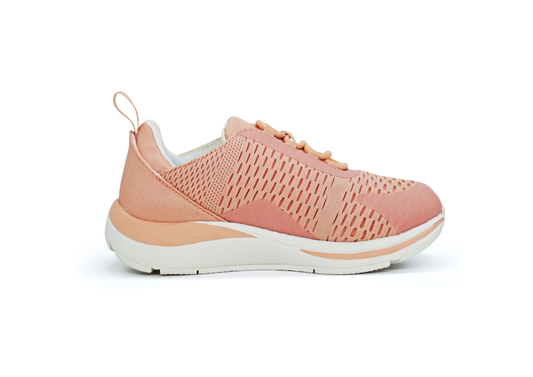
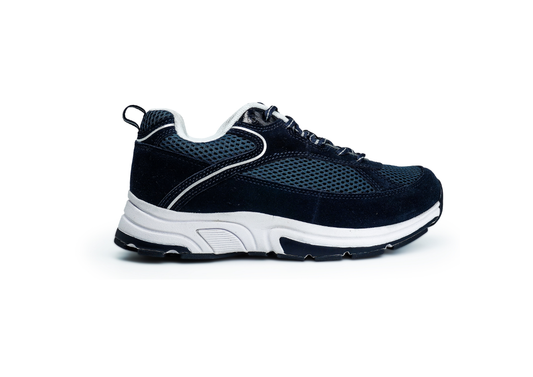

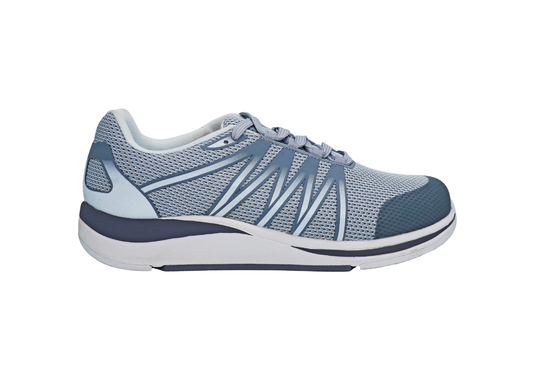

Top Diabetic Sandals for Comfort and Support
Choosing the Best Diabetic Sandals for Comfort
Choosing the right footwear is a health priority for individuals with diabetes. High-quality diabetic sandals combine plush comfort, protective shielding, and orthopedic-grade support to reduce localized pressure, improve gait alignment, and lower the risk of skin breakdown.
These sandals are engineered to prevent injuries and complications, particularly for those managing neuropathy, poor circulation, or foot deformities. When sandals incorporate design principles found in therapeutic shoes, they provide superior arch support and stabilize the heel to distribute body weight more evenly across the foot.
Essential Features for Daily Relief
With features like wide toe boxes and adjustable straps, specialized sandals provide a customizable fit that accommodates daily swelling. This is vital for reducing friction and preventing the formation of blisters. Furthermore, breathable materials and cushioned insoles keep feet dry and minimize fatigue during long walking days.
In this guide, we will explore how to select the best diabetic sandals and what to look for when seeking an orthopedic approach to diabetic foot care.
Why Proper Footwear Matters for Diabetics
Proper footwear is the first line of defense in managing diabetic foot health. Because diabetes can lead to reduced sensation (neuropathy) and poor circulation, the right pair of orthopedic shoes for men or women is essential to prevent undetected cuts or ulcers.
-
Injury Prevention: Prevents pressure build-up on sensitive areas.
-
Structural Support: Provides extra stability for weakened foot structures.
-
Ulcer Mitigation: Reduces the risk of skin damage caused by friction.
Orthopedic principles add a layer of stability and alignment. For those with a history of callusing or structural issues like bunions, a specialized diabetic orthopedic sandal can make a significant difference in preventing recurring pain.
Key Orthopedic Features to Look For
Prioritizing features that cater to biomechanical needs ensures your sandals do more than just "feel soft." Look for these specific attributes:
-
Cushioned Insoles: High-density foam or gel absorbs impact and reduces strain.
-
Wide Toe Box: Ensures toes aren't cramped, which is critical for those seeking arthritis footwear.
-
Adjustable Straps: Allows for a tailored fit even as foot volume changes throughout the day.
-
Arch Support: Vital for maintaining alignment and helping those with flat feet (pes planus).
-
Removable Footbeds: Essential if you need to insert custom-made orthotics.
Diabetic Sandals for Men: Performance & Stability
Men’s diabetic sandals often prioritize a blend of rugged durability and orthopedic stability. Whether it's for an active routine or casual wear, men require sandals that can handle various terrains while protecting the foot's integrity.
Options like the Jackson Men's Orthopedic Sandal focus on:
-
Rugged Construction: Durable materials for outdoor use.
-
Secure Heel Seating: Deep heel cups to prevent side-to-side motion.
-
Enhanced Grip: Non-slip outsoles to prevent falls.
For those who prefer a closed-toe option for maximum protection, orthopedic walking shoes for men provide a similar level of diabetic-safe construction with full coverage.
How to Choose the Right Fit and Style
When shopping for orthopedic shoes for women or men, timing is everything. It is widely recommended to try on sandals later in the afternoon when feet are at their maximum size due to natural swelling.
Selection Checklist:
-
Adjustability: Ensure the closures can be loosened or tightened easily.
-
Seamless Interiors: Look for a smooth lining to prevent skin irritation.
-
Style Needs: Choose between open-toe designs for maximum breathability or closed-toe for protection against debris.
If you struggle with specific conditions like plantar fasciitis, ensure the sandal has a rigid shank and excellent heel cushioning to mitigate morning pain.
Tips for Caring for Your Diabetic Foot Sandals
To maintain the protective qualities of your footwear, follow these maintenance tips:
-
Daily Inspection: Check for worn-out soles or loose stitching that could create pressure points.
-
Hygiene: Clean sandals with mild soap and ensure they are 100% dry before wearing to prevent fungal growth.
-
Rotation: Rotate between two pairs, such as a sandal and a comfortable orthopedic walking shoe, to allow the cushioning to "recover" its shape.
Orthopedic Footwear Q&A: Diabetic Sandals
Q: Should diabetic sandals have arch support?
A: Absolutely. Arch support helps distribute pressure across the entire foot, which is especially helpful for those with a high arch (pes cavus) to prevent localized "hot spots."
Q: Are sandals safe for people with neuropathy?
A: Yes, provided they are designed with a protective sole and a secure fit. For maximum safety, many podiatrists recommend a diabetic-specific walking shoe for long distances and sandals for lighter activity.
Q: What is better: a soft or supportive sole?
A: A balance. A sole that is too soft offers no stability, while one that is too hard creates pressure. Look for "structured cushioning" found in Sweet Walker collections.
Conclusion: Step Into Comfort and Safety
Investing in the right diabetic sandals is an investment in your mobility and long-term health. By combining the breathability of a sandal with the structural integrity of heel pain shoes, you can enjoy the warm weather without compromising on safety. Explore the full range of science-backed footwear at OrthoShoes.in to find your perfect fit today.
