
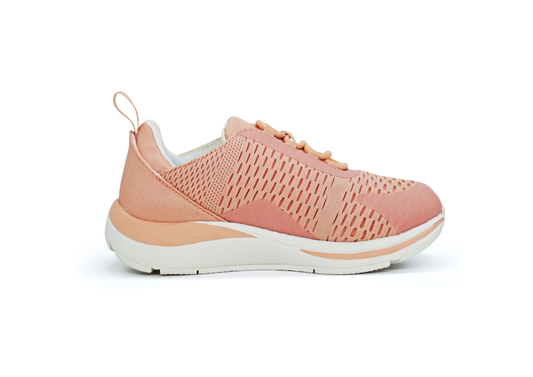
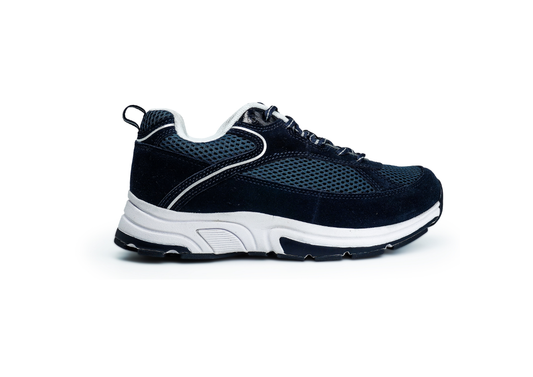

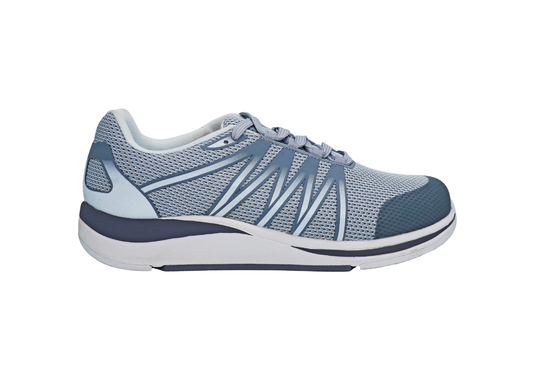

ortho footwear
Orthopedic Shoes for Men and Women: Expert Guide to Choosing Ortho Footwear for Heel Pain, Diabetes, and Arthritis
By Dr. Subramanyam Balaji, Ortho Shoes Corporation
Choosing the right orthopedic shoes helps reduce pain, support foot structure, and protect vulnerable feet. This guide summarizes what to evaluate when selecting orthopedic footwear, the main medical benefits, and how these shoes compare with other types so you can pick an effective model for heel pain, diabetes, or arthritis.
Key Considerations
Several practical factors determine whether a shoe will provide the support and comfort you need.
Foot Conditions:
Match shoe features to the condition. Heel pain often needs firm arch support and cushioning. People with diabetes require protective, roomier shoes that allow for swelling and reduce injury risk. Identifying the underlying problem guides feature choice.
Research highlights the particular challenges people with plantar heel pain face when choosing suitable footwear.
Footwear Challenges & Solutions for Plantar Heel Pain
People with plantar heel pain report difficulty with footwear comfort, fit and choice. Reduced heel loading during barefoot walking, toe flexor weakness, and female gender are independently associated with reports of footwear difficulties in people with heel pain.
Determinants of footwear difficulties in people with plantar heel pain, J Sullivan, 2015
Foot Structure:
Your arch type and toe shape affect needed support. Flat feet usually require stronger arch support; high arches benefit from cushioning. Bunions or hammertoes need a wider toe box to reduce pressure.
Material and Construction:
Look for shock-absorbing midsoles, breathable uppers, and a firm heel counter. Durable construction and removable insoles increase the shoe’s therapeutic potential.
Fit and Sizing:
Correct fit is vital. Shoes that are too tight worsen symptoms; too loose ones fail to support. Professional fitting and removable orthotics help achieve the right fit, especially when swelling is present.
Evidence consistently emphasizes precise fit and professional guidance when selecting orthopedic footwear.
Orthopedic Shoe Selection: Fit, Customization & Effectiveness
There are various approaches to providing patients with orthopedic shoes: selecting or customizing ready-made shoes to match a specific deformity, or producing custom shoes. Selection requires an integrated approach because each patient presents different factors. The key indicator of effectiveness is how well the shoe's inner shape matches the foot in the correction position.
A concept of automated selection of orthopedic shoes, 2020
Medical Benefits
Orthopedic shoes can reduce pain, improve alignment, and increase stability. By redistributing pressure, they protect sensitive areas and may reduce strain on joints and soft tissues, supporting better posture and mobility.
Comparisons of Footwear Options
Orthopedic shoes deliver targeted support compared with general athletic or casual footwear.
| Type of Footwear | Key Features | Benefits |
|---|---|---|
| Athletic Shoes | Lightweight, flexible | Good for activity, but may lack therapeutic support |
| Casual Shoes | Stylish, versatile | Comfortable for everyday use, not always corrective |
| Diabetic Shoes | Extra cushioning, protective | Prevent injuries and accommodate swelling |
| Orthopedic Shoes | Arch support, stability | Designed to address foot ailments and provide relief |
The table highlights how orthopedic models focus on correction, pressure relief, and stability for specific conditions.
What Are Orthopedic Shoes and How Do They Support Foot Health?
Orthopedic shoes are designed to correct or accommodate foot problems. They incorporate arch support, cushioning, and closures that stabilise the foot and reduce strain during daily use.
Design Features
Typical features include contoured insoles, cushioned midsoles, firm heel counters, and adjustable fastenings to maintain alignment and comfort.
Benefits for Specific Conditions
For heel pain, arch support and cushioning reduce strain. Diabetic footwear protects the foot and allows space for foot changes. For arthritis, supportive soles reduce joint stress and make walking easier.
Recommendations for Use
Use orthopedic shoes consistently for chronic conditions and consult a clinician to confirm the best style and any required orthotics.
Defining Orthopedic Footwear: Features and Medical Benefits
Orthopedic footwear provides therapeutic support and symptom relief through internal shape, cushioning, and support elements tailored to the foot’s needs.
How Orthopedic Shoes Address Common Foot Conditions
These shoes combine support, cushioning, and alignment correction to lessen pain and improve mobility for many common conditions.
Which Orthopedic Shoes Are Best for Heel Pain and Arthritis Relief?
When selecting shoes for heel pain or arthritis, prioritise the features below to reduce pressure and improve gait.
Key Shoe Features That Alleviate Heel Pain and Joint Stress
- Arch Support: Distributes weight and reduces heel pressure.
- Cushioned Soles: Absorb shock for more comfortable movement.
- Stability Features: Promote proper alignment and lower injury risk.
Comparing Arthritis Shoes and Heel Pain Footwear Options
Arthritis styles emphasise joint stability; heel-pain models prioritise cushioning and arch support. Choose based on the main symptom and clinician advice.
How Does Diabetic Footwear Prevent Complications in India?
Diabetic footwear reduces ulcer and infection risk by protecting the foot, lowering pressure points, and accommodating shape changes.
Benefits of Diabetic Footwear
- Protection: Shields the foot from injury.
- Comfort: Accommodates swelling for all-day wear.
- Support: Helps maintain alignment to reduce complications.
Key Features of Diabetic Footwear
- Soft Materials: Reduce friction and pressure.
- Wide Toe Box: Allows natural toe alignment and comfort.
- Removable Insoles: Accept custom orthotics as needed.
Recommendations for Effective Use
Wear diabetic shoes regularly and follow personalised clinical advice to lower complication risk.
Evidence shows that consistent use of orthopedic footwear is a key factor in preventing recurrence of diabetic foot ulcers.
Preventing Diabetic Foot Ulcer Recurrence with Orthopedic Footwear
Orthopedic footwear after a healed diabetic foot ulcer (DFU) may prevent recurrence better than conventional shoes.
Orthopedic Footwear for People With Lower-Limb Conditions, 2022
What Are the Benefits of Comfortable Orthopedic Sandals and How to Select Them?
Orthopedic sandals provide breathability and support in warm weather when designed with therapeutic features.
Features That Enhance Comfort and Support in Orthopedic Sandals
- Adjustable Straps: Allow a secure, adaptable fit for swelling.
- Arch Support: Maintains alignment while walking.
- Cushioned Footbeds: Reduce impact and increase comfort.
Tips for Selecting Orthopedic Sandals for Daily Use
- Look for Quality Materials: For durability and comfort.
- Check for Proper Fit: Ensure they fit without pinching.
- Consider Style: Choose a supportive design you will wear often.
Browse a wide selection of women's orthopedic styles at "orthopedic shoes for women".
For targeted relief, see "heel pain shoes".
If you manage diabetes, consider "diabetic footwear" that can help prevent complications.
Men can review supportive options at "orthopedic shoes for men".
Those with arthritis may benefit from "arthritis footwear" designed to reduce joint stress.
For the full selection of supportive and comfortable options, visit "orthoshoes.in".
Frequently Asked Questions
1. How can I determine my foot type for orthopedic shoe selection?
Use the wet test (step on paper after wetting the foot) to see your arch. A full print suggests flat feet; a narrow print indicates high arches. For precise assessment and shoe recommendations, consult a podiatrist.
2. Are orthopedic shoes suitable for everyday wear?
Yes. They are designed for daily use to provide support and reduce pain. Modern options are also often attractive—choose a pair that fits well for consistent benefit.
3. Can I use custom orthotics with orthopedic shoes?
Yes. Many models accept custom orthotics; look for removable insoles and confirm compatibility with your clinician.
4. How often should I replace my orthopedic shoes?
Replace shoes every 6–12 months depending on wear. Replace sooner if cushioning or support diminishes to prevent renewed discomfort.
5. Are there specific brands known for quality orthopedic shoes?
Both mainstream and specialist brands offer supportive models. Consider comfort, fit, features, and reviews, and ask clinicians for brand suggestions tailored to your needs.
6. Can children benefit from orthopedic shoes?
Children with developmental or structural foot issues can benefit from appropriate footwear. Early assessment by a pediatric podiatrist helps determine whether orthopedic shoes are needed.
7. What should I look for when buying orthopedic sandals?
Prioritise adjustable straps, arch support, and cushioned footbeds. Try them on and walk to check comfort and stability before buying.
