
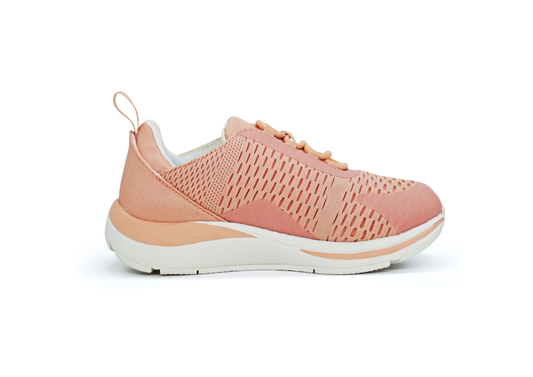
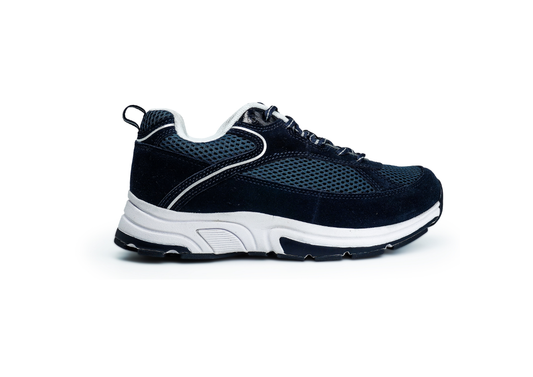

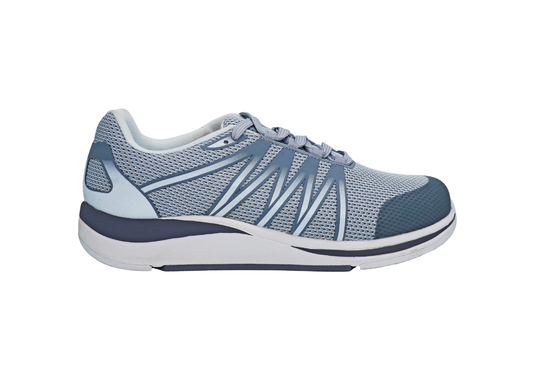

orthopedic footwear for ladies
Ladies Orthopedic Shoes: Expert Guide to Comfortable Foot Pain Relief Footwear
By Dr. Subramanyam Balaji, Ortho Shoes Corporation
Finding the right footwear is essential for women with foot pain. Orthopedic footwear supports the foot, reduces pain, and promotes lasting foot health. This guide highlights core shoe features, practical tips, and condition-specific recommendations so you can choose a comfortable, supportive pair.
Comprehensive Guide on Orthopedic Footwear for Ladies
Orthopedic shoes are built to support and accommodate foot issues. They improve alignment, reduce pain, and fit a range of foot shapes to deliver better comfort and stability for women of different ages.
Key Features to Look For
Focus on features that directly improve support and comfort. Key elements include:
| Feature | Description | Importance |
|---|---|---|
| Arch Support | Provides stability and helps distribute weight evenly | Reduces strain on the feet |
| Cushioned Soles | Absorb shock and provide comfort during walking | Enhances overall comfort |
| Wide Toe Boxes | Allows for natural toe movement and reduces pressure | Prevents discomfort and blisters |
These features help ensure a correct fit and the support needed for common foot conditions.
Expert Recommendations
Use condition-focused criteria to narrow choices and consult a podiatrist when needed.
- Plantar Fasciitis: Prioritize strong arch support and heel cushioning.
- Diabetic Footwear: Choose wide fits and soft, seam-free interiors to reduce pressure.
- Arthritis: Adjustable closures and roomy toe boxes accommodate swelling and improve comfort.
Professional advice can pinpoint the best models for your needs.
Tips for Selecting the Right Footwear
Follow practical steps to find the right pair:
- Assess Your Foot Type: Flat, high, or neutral arches need different support levels.
- Consult Professionals: A podiatrist can recommend features or custom orthotics.
- Try Before You Buy: Walk in shoes to confirm fit, support, and comfort.
Selecting the right orthopedic footwear typically requires a detailed assessment of foot measurements to ensure optimal fit and effectiveness.
Selecting & Customizing Orthopedic Shoes for Optimal Fit
There are various approaches to providing patients with orthopedic shoes. This may be the selection or customization of ready-made orthopedic shoes according to a specific deformation, or custom production of shoes. In any case, the selection of a shoe model requires an integrated approach, since when working with each new patient, specialists are faced with various factors. The most important indicator of the effectiveness of orthopedic shoes is the compliance of its inner shape with the parameters of the foot in the correction position. When selecting ready-made shoes, an assessment of the degree of compliance of shoe parameters with foot data is especially relevant, since it allows determining whether ready-made shoes are suitable or custom production is required.
A concept of automated selection of orthopedic shoes, 2020
What Are the Key Benefits of Orthopedic Footwear for Women?
Orthopedic shoes offer targeted support that reduces strain, relieves pain, and improves mobility. For women prioritizing foot health, these benefits make orthopedic footwear a worthwhile investment.
How Do Orthopedic Shoes Alleviate Common Foot Conditions in Ladies?
By combining arch support, cushioning, and proper fit, orthopedic shoes reduce inflammation and pressure for conditions like plantar fasciitis and accommodate swelling from arthritis, improving daily comfort.
Which Medical Features Ensure Comfort and Support in Women's Orthopedic Shoes?
- Arch Support: Maintains alignment and reduces strain.
- Cushioned Soles: Absorb shock for more comfortable walking.
- Breathable Materials: Help keep feet dry and comfortable.
These features together protect foot function and reduce discomfort.
Which Foot Conditions Do Ladies Orthopedic Shoes Effectively Address?
- Plantar Fasciitis: Arch support and heel cushioning relieve heel pain.
- Arthritis: Roomy, adjustable designs reduce pressure and fit swelling.
- Diabetic Foot Complications: Soft interiors and correct sizing lower ulcer risk and improve stability.
Targeted footwear can enhance daily comfort and mobility.
How Do Orthopedic Shoes Help Manage Heel Pain and Plantar Fasciitis?
Key elements are arch and heel support, cushioned soles, and a proper fit. Together these reduce strain on the plantar fascia and absorb impact during walking.
Research shows continuous foot support, including orthotic sandals used at home, can complement traditional orthotics for conditions like plantar fasciitis.
Orthotic Sandals & Inserts for Plantar Fasciitis Relief
ABSTRACT: AbstractBACKGROUNDPlantar fasciitis (PF) affects around 10% of the population. Prefabricated orthotics with arch support has been shown to provide symptom relief in PF by decreasing the repetitive stress sustained by the plantar fascia. However, prefabricated orthotics are only effective when shoes are worn, meaning the foot may be left unsupported when it is impractical to wear shoes. Using orthotic sandals in conjunction with prefabricated orthotics may increase PF symptom relief, as they can be worn inside the home, extending the period in which the foot is supported.
Use of orthotics with orthotic sandals versus the sole use of orthotics for plantar fasciitis: Randomised controlled trial, 2015
What Are the Benefits of Diabetic and Arthritis Footwear for Women?
- Prevention of Ulcers: Soft, well-fitting shoes reduce pressure and friction.
- Pain Relief: Cushioning and support ease joint and soft-tissue pain.
- Improved Stability: Non-slip soles and good support enhance safety.
Specialized footwear lowers complications and improves daily comfort.
How to Choose the Best Orthopedic Shoes for Women in India?
- Foot Conditions: Identify needs such as arch support or diabetic protection.
- Support Features: Prioritize arch support, cushioning, and removable insoles.
- Sizing: Ensure a proper fit with toe room and secure closure.
Pick brands that offer models suited to women's feet in India, emphasizing comfort and accurate sizing.
What Shoe Features Should Women Prioritize for Foot Pain Relief?
- Cushioning: Adequate padding to absorb impact.
- Arch Support: Maintain alignment and reduce strain.
- Material Quality: Breathable, flexible materials improve comfort.
These priorities help reduce pain and support daily activity.
Where Can Women Find Trusted Orthopedic Footwear Brands and Collections?
Explore reputable brands and specialist retailers—online and locally—to compare models, read reviews, and confirm sizing before buying.
What Care Tips and Usage Guidelines Enhance Orthopedic Footwear Effectiveness?
- Regular Cleaning: Keep shoes clean to preserve materials and fit.
- Proper Storage: Store in a cool, dry place to avoid deformation.
- Usage Guidelines: Follow manufacturer instructions for inserts and wear patterns.
Good care helps maintain support and comfort over time.
How Should Women Maintain and Care for Their Orthopedic Shoes?
- Regular Cleaning: Use suitable methods for the material.
- Proper Storage: Prevent crushing or deformation.
- Replacement Guidelines: Replace shoes when cushioning or support declines.
Timely maintenance preserves effectiveness and comfort.
When Is It Recommended to Consult a Specialist About Orthopedic Footwear?
- Persistent Pain: If pain continues despite supportive shoes.
- Foot Conditions: For new or worsening problems.
- Fitting Issues: If you cannot find a comfortable fit.
A specialist can recommend appropriate footwear or orthotics for optimal care.
Frequently Asked Questions
What should I consider when buying orthopedic shoes online?
Check sizing guides, read reviews about fit, and confirm return/exchange policies. Know which features you need—arch support, cushioning, or removable insoles.
How often should I replace my orthopedic shoes?
Replace shoes every 6–12 months depending on wear. Look for sole wear, reduced cushioning, or loss of support as signs it's time.
Can I use custom orthotics with my orthopedic shoes?
Yes. Choose shoes with removable insoles to insert custom orthotics and consult a podiatrist to ensure compatibility.
Are there specific brands known for quality orthopedic footwear?
Several mainstream and specialist brands are known for supportive designs; research models and reviews to find the best fit for you.
What are the best practices for breaking in new orthopedic shoes?
Break them in gradually—short wear sessions increasing over days. Stop and reassess fit if you experience persistent discomfort.
Can orthopedic shoes be stylish as well as functional?
Yes. Many brands now combine support with attractive designs across casual and dress styles.
