
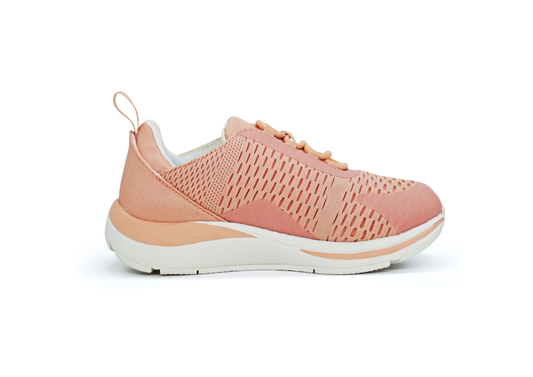
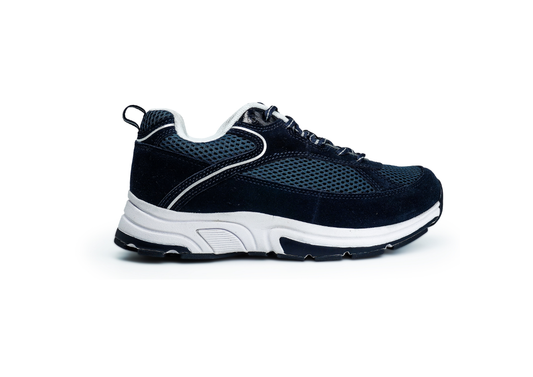

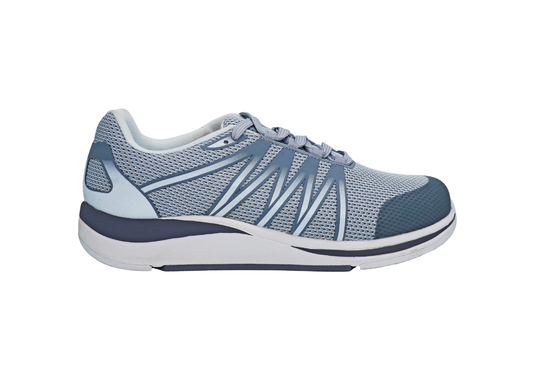

orthopedic shoes for men
Men's Orthopedic Shoes: Expert Solutions for Foot Pain Relief and Comfort
By Dr. Subramanyam Balaji, Ortho Shoes Corporation
Men's orthopedic shoes provide targeted support and comfort for common foot issues such as plantar fasciitis, arthritis and diabetes. This guide summarizes key shoe types, essential features, condition-specific recommendations and practical tips for choosing the right pair.
Types of Orthopedic Shoes
Orthopedic footwear comes in several styles to suit different needs and settings.
- Diabetic Shoes: Extra depth and cushioning to protect sensitive feet and reduce ulcer risk.
- Athletic Orthopedic Shoes: Supportive, shock-absorbing designs for exercise and active use.
- Casual and Dress Shoes: Style-forward options that retain orthopedic support for daily wear.
- Slippers and House Shoes: Comfortable indoor models with stable soles and cushioning.
Essential Features
When selecting orthopedic shoes, prioritise reliable support, fit and durability. Key elements:
- Anatomical Arch Support: Distributes weight and reduces strain.
- Cushioned, Shock-Absorbing Soles: Reduce impact and fatigue.
- Supportive Heel Counters: Stabilize the rearfoot.
- Wide, Roomy Toe Boxes: Allow natural toe alignment and reduce pressure points.
- Durable Outsoles: Provide traction and stability.
Recommendations for Specific Foot Conditions
Choose shoes that address the mechanics and symptoms of your condition:
- Plantar Fasciitis: Firm arch support and generous cushioning.
- Arthritis: Soft uppers, adjustable closures to accommodate swelling.
- Diabetes: Extra depth, seamless interiors to minimise friction.
- Bunions: Wide toe box and soft materials to reduce pressure.
- Hammertoes: Flexible uppers with room for toe movement.
- Flat Feet: Stability and arch support to control pronation.
- High Arches: Cushioned insoles and structured arch support.
Ortho Shoes offers a range designed to address these needs and help men find the correct fit.
Additional Considerations
Consult a podiatrist for assessment and a professional fitter for sizing. Proper measurement and gait analysis improve outcomes and ensure any orthotics fit correctly.
What Are the Key Benefits of Men's Orthopedic Footwear?
Orthopedic shoes improve comfort, reduce pain and support healthier foot mechanics through:
- Targeted Support: Stabilises alignment and reduces strain.
- Pain Relief: Cushioning and arch support lower pressure on painful areas.
- Daily Comfort: Breathability and shock absorption improve walking comfort.
How Do Orthopedic Shoes Support Foot Health and Pain Management?
They combine features that maintain alignment, absorb impact and redistribute pressure:
- Enhanced Stability: Keeps the foot aligned to reduce muscle and ligament strain.
- Cushioned Soles: Absorb shocks from walking and standing.
- Roomy Toe Boxes: Prevent pinching and improve circulation.
- Sturdy Construction: Ensures long-term support.
- Customisable Fit: Adjustable elements accommodate changes and orthotics.
- Pressure Redistribution: Spreads load evenly across the foot.
- Breathable Materials: Reduce moisture-related problems.
Which Features Make Shoes Comfortable for Plantar Fasciitis and Arthritis?
Key elements for these conditions include:
- Cushioning: To absorb shock and reduce pressure.
- Arch Support: To relieve strain on the plantar fascia.
- Soft, Flexible Materials: To accommodate swelling and tender areas.
- Rocker or Contoured Soles: Help promote an efficient, low-stress gait.
Clinical studies note that certain postoperative and therapeutic shoe designs can significantly reduce forefoot and heel stress.
Postoperative Shoe Design for Forefoot Pain Relief & Comfort
Postoperative care after first metatarsal osteotomies now includes specialized shoes intended to reduce stress in the forefoot. This study evaluated plantar pressure distribution, wearing characteristics, and the stress-reducing effectiveness of five commonly used postoperative shoe types. The researchers also modified the best-performing shoe to further improve forefoot relief and patient comfort.
Biomechanics of postoperative shoes: plantar pressure distribution, wearing characteristics and design criteria: a preliminary study, 2011
How to Choose the Best Orthopedic Shoes for Men with Specific Foot Conditions?
Evaluate fit, support and construction. Important factors:
- Proper Arch Support: Match to your arch type.
- Cushioned Midsole with Stability: Balance comfort with control.
- Wide, Non-Compressing Toe Box: Prevents pinching and toe deformities.
- Rocker Sole: Can reduce forefoot and heel stress.
- Adjustable Closures: For a customised fit and easy adjustments.
What Shoe Features Are Essential for Plantar Fasciitis and Heel Pain?
Focus on features that stabilise the heel and cushion the arch:
- Arch Support
- Cushioning & Shock Absorption
- Heel Stabilizers
- Wide Toe Box
- Extra Depth for Orthotics
- Durable Outsoles
Which Diabetic Shoes Offer Optimal Protection and Comfort?
Diabetic footwear should minimise friction and pressure while offering support:
- Extra Depth
- Seamless Interiors
- Cushioned Insoles
- Sturdy, Stable Outsoles
What Are the Top Orthopedic Shoe Options for Men in India?
Common choices available in India include:
- Ortho Shoes: Focused selections for comfort and support.
- Diabetic Footwear Brands: Purpose-built diabetic models.
- Athletic Orthopedic Shoes: Supportive options for active users.
How Does Ortho Shoes' Men's Collection Address Various Foot Ailments?
The collection targets problems with considered design:
- Chronic Foot Pain Relief
- Accommodating Foot Deformities
- Support for Systemic Conditions
- Key Features: Arch support, cushioning and durable materials.
What Do Customer Testimonials Reveal About Shoe Effectiveness?
Many users report reduced pain and improved mobility after switching to properly fitted orthopedic shoes, noting better daily comfort and activity tolerance.
Where Can Men Find Reliable Orthopedic Footwear and Support?
Consider the following sources when seeking shoes and fitting services:
- Ortho Shoes
- Local Podiatrist or Certified Pedorthist
- Online Retailers: Use reputable sellers with clear return policies.
How to Access Condition-Specific Collections Like Arthritis and Flat Feet Shoes?
Steps to find the right collection:
- Professional Consultation: Get a podiatric assessment.
- Specialized Brands: Choose brands focused on your condition.
- Check Key Features: Confirm arch support, cushioning and fit.
What FAQs Address Common Concerns About Orthopedic Shoes for Men?
Answers to frequent questions help with fit, function and care.
For people seeking relief from arthritis, footwear with extra cushioning and targeted support often improves comfort and mobility.
Frequently Asked Questions
1. How do I know if I need orthopedic shoes?
Consider orthopedic shoes if you have ongoing foot pain, difficulty walking, swelling or a medical diagnosis such as plantar fasciitis, arthritis or diabetes. A podiatrist can confirm the need and recommend specific models.
2. Can I wear orthopedic shoes for sports activities?
Yes. Many orthopedic models are designed for athletic use with shock-absorbing soles, reinforced arch support and stability features. Pick a model suited to your sport and foot type.
3. How should orthopedic shoes fit?
They should fit securely without pinching: stable heel, roomy toe box and adequate depth. Try shoes later in the day when feet may be slightly swollen and get professionally fitted if you use orthotics.
4. Are orthopedic shoes covered by insurance?
Coverage varies. Some plans will cover orthopedic shoes if prescribed by a healthcare professional. Check your policy requirements and keep prescriptions and receipts for claims.
5. How do I maintain my orthopedic shoes?
Follow manufacturer care instructions: wipe clean, air-dry, avoid extreme heat and replace insoles when worn. Regularly inspect shoes to retain proper support.
6. Can I use custom orthotics with orthopedic shoes?
Yes. Choose shoes with removable insoles and sufficient depth and width to fit custom orthotics comfortably. Consult your podiatrist for the best combination.
7. What should I look for when buying orthopedic shoes online?
Check brand reputation, customer reviews and return policies. Use sizing charts, read product descriptions for support and cushioning, and prefer adjustable closures and removable insoles when unsure.
