
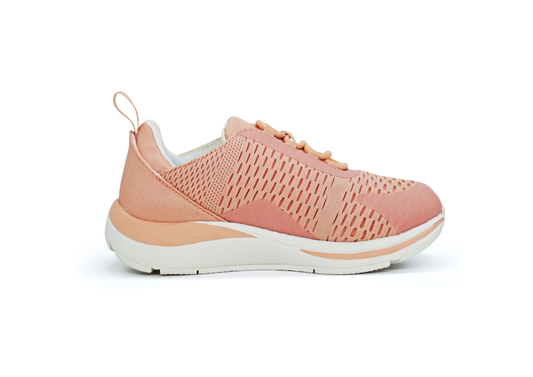
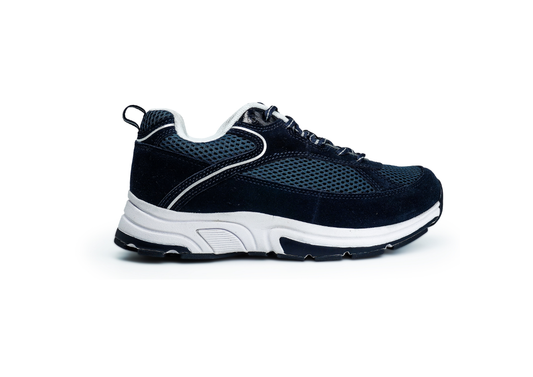

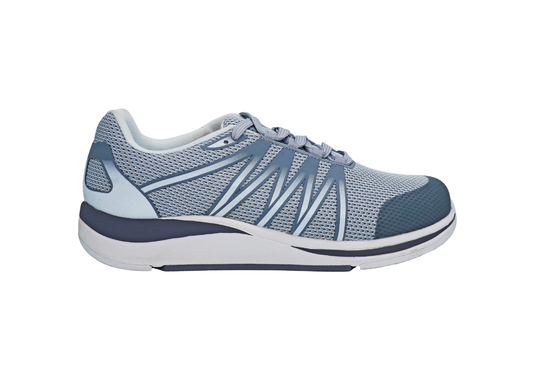

Best Shoes for Plantar Fasciitis: Ultimate Guide
Best Shoes for Plantar Fasciitis Complete Buying Guide
Waking up to a first step that feels like crushing a sharp pebble is a painful reality for millions. According to podiatric medicine, this stabbing sensation signals distress in your plantar fascia ligament. Picture this essential band of tissue as a tension-bearing bowstring supporting your foot's arch; overstretching it inevitably causes agonizing micro-tears.
Reaching for the squishiest footwear seems logical, but clinical experts warn that surface comfort rarely equals structural support. Evaluating proper plantar fasciitis shoes requires identifying three non-negotiable footwear features to successfully alleviate plantar fascia strain all day.
Why Your Foot Needs a 'Bridge' Foundation, Not Just a Soft Pillow
Buying the softest sneaker on the shelf feels logical for a painful heel, but plush memory foam is often a trap. While a pillowy insert feels great initially, true arch support shoes require a solid foundation, not just surface cushioning.
To understand the impact of shock absorption on foot inflammation, picture a suspension bridge. Just as a bridge needs rigid pillars to prevent the roadway from collapsing under heavy traffic, your foot needs a sturdy base. Here is why overly soft footwear actually increases heel strain:
-
Midfoot sagging: The shoe bends in the center, forcing your arch to collapse and overstretching your plantar fascia like a tight bowstring.
-
Bottoming out: Soft memory foam quickly flattens under your body weight, eliminating any actual support beneath the arch.
-
Muscle fatigue: Your foot muscles must work overtime simply trying to balance on an unstable, squishy surface.
Knowing what features define a good shoe for morning foot pain means prioritizing structural stability over fluff. A firm middle acts like a supportive scaffold, stopping your heel's attachment point from absorbing excessive force.
The 30-Second 'Store Test' to Spot Real Plantar Fasciitis Relief
Finding the best shoes for plantar fasciitis for women or men feels overwhelming, but you can verify a shoe's support in seconds.
-
Twist Test: If it twists easily → avoid it
-
Heel Test: Look for a firm heel counter
-
Bend Test: Should flex only at the toes
Passing this quick audit guarantees a solid baseline of protection.
Correcting the 'Inward Roll' with Motion Control and Proper Heel Drop
Noticing your ankles cave inward when walking means you are experiencing overpronation. To correct this, consider:
-
Neutral Shoes → Ideal for high arches
-
Motion control shoes → Best for flat feet and overpronation
Another crucial feature is heel-to-toe drop. A slight elevation reduces tension on the plantar fascia and improves comfort throughout the day.
Choosing Indoor Support: Why Your Hardwood Floors Are Sabotaging Your Feet
Walking barefoot indoors can worsen heel pain. Instead, switch to orthopedic slippers or supportive house shoes.
Look for:
-
Firm rubber soles
-
Built-in arch structure
-
Removable insoles for custom orthotics
This ensures continuous support from morning to night.
Your 14-Day Action Plan for Walking Pain-Free
When transitioning to orthopedic footwear:
-
Start with short wear periods
-
Gradually increase usage over 14 days
-
Track progress using the “Morning Metric”
If your first step becomes less painful, your shoes are working effectively.
