


Doctor-Approved Heel Pain Relief at Home | Effective Foot Pain Solutions
Doctor-Approved Heel Pain Relief at Home
Heel pain can be a frustrating and persistent issue. It often disrupts daily activities and affects overall well-being. Many people experience heel pain due to conditions like plantar fasciitis or heel spurs.
Fortunately, there are effective ways to manage this discomfort at home. With the right approach, you can find relief without needing immediate medical intervention. This guide offers doctor-recommended tips for alleviating heel pain, from stretching exercises to choosing the best shoes for heel pain.
Understanding Heel Pain: Common Causes and Symptoms
Heel pain typically stems from inflammation of the tissues connecting your heel bone to your toes. The most common culprits are plantar fasciitis and heel spurs, which trigger tenderness in the foot's underside.
Key symptoms often include:
-
Sharp or throbbing pain in the heel.
-
Swelling or warmth around the heel area.
-
Pain that is worst during the first steps in the morning.
Recognizing these symptoms early can help you implement effective relief strategies, such as switching to orthopedic slippers for indoor support.
Immediate Steps for Heel Pain Relief
When pain strikes, immediate action can prevent further irritation:
-
Rest: Avoid high-impact activities like running or jumping.
-
Ice: Apply an ice pack wrapped in a towel for 15–20 minutes several times a day to reduce swelling.
-
Elevation: Keep your foot above heart level to lessen inflammation.
-
Support: Wear arch support shoes even while walking around the house.
Doctor-Recommended Home Treatments
Doctors often suggest simple home remedies that provide substantial relief by stimulating blood flow and loosening tight tissues:
-
Massage: Roll a tennis ball or a frozen water bottle under your foot to massage the plantar fascia.
-
Epsom Salt Soaks: Dissolve salts in warm water and soak for 20 minutes to relax the muscles.
-
Orthotic Inserts: Use medical footwear or inserts to provide essential cushioning and pressure distribution.
-
Night Splints: These keep the foot flexed overnight to prevent morning stiffness.
Effective Stretching and Strengthening Exercises
Consistent movement is vital for long-term recovery. Try these three doctor-approved stretches:
1. The Wall Calf Stretch
Stand facing a wall with one foot behind the other. Keep the back leg straight and lean forward until you feel a pull in your calf. Hold for 30 seconds.
2. Towel Curls
While sitting, place a towel on the floor and use your toes to scrunch it toward you. This strengthens the small muscles that support the arch.
3. Ankle Rotations
Gently rotate your foot in circles to improve flexibility and blood flow before getting out of bed.
Choosing the Right Footwear and Orthotics
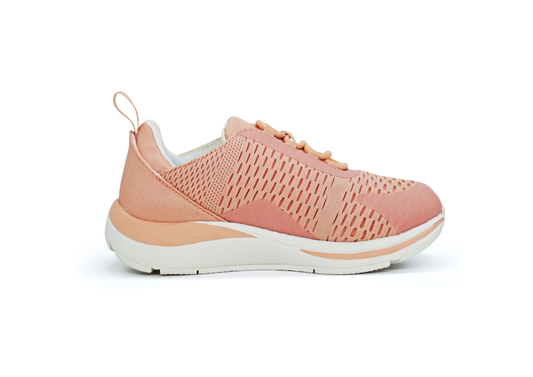
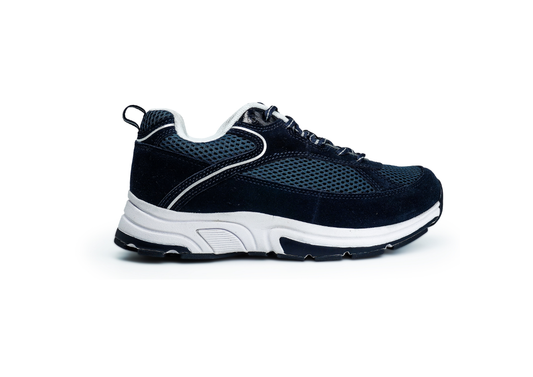
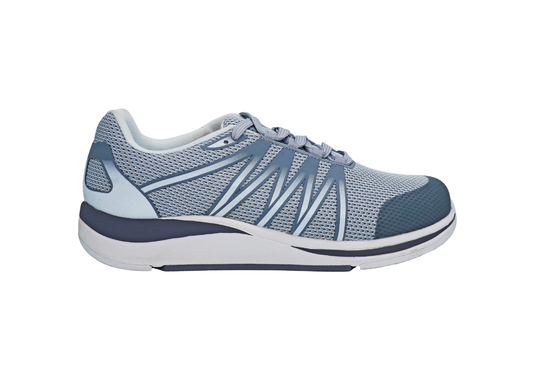
Wearing the wrong shoes is a leading cause of foot injury. Proper footwear should offer a firm heel counter and a well-cushioned midsole.
What to look for in relief footwear:
-
Cushioned Insoles: For maximum shock absorption.
-
Arch Support: To prevent the collapse of the plantar fascia.
-
Proper Fit: Ensure there is a wide toe box to avoid cramping.
For those looking for specialized options, exploring orthopedic footwear for men and women can provide the structural integrity needed to heal.
Lifestyle Changes to Prevent Recurrence
To keep the pain from coming back, consider these long-term adjustments:
-
Weight Management: Reducing excess weight lowers the daily "load" on your heel bone.
-
Low-Impact Exercise: Swap running for swimming or cycling.
-
Avoid Barefoot Walking: Always wear supportive footwear, especially on hard surfaces like tile or hardwood floors.
When to See a Doctor
While home care is effective for many, you should seek professional medical help if:
-
The pain is severe or prevents you from walking.
-
You notice numbness or tingling in the heel.
-
The pain does not improve after 2–3 weeks of consistent home treatment.
By combining these at-home strategies with high-quality orthopedic shoes, you can take control of your foot health and return to a pain-free lifestyle.
