


Top Medication for Edema in Legs: Effective Relief
Effective Medications for Leg Edema Relief
Have you ever taken off your socks after a long day to find deep, lingering indentations pressed into your ankles? This tightness is more than just daily discomfort. Doctors call this trapped excess fluid edema, and when those stubborn marks stay pressed into your skin, it is specifically known as pitting edema.
Think of your leg tissue like a kitchen sponge. Normally it remains slightly damp, but gravity constantly pulls water downward, eventually causing that sponge to become oversaturated and noticeably heavy. As fluid gets trapped in your lower extremities, finding effective tablets for swollen feet can matter for everything from comfort at work to being able to wear your regular footwear.
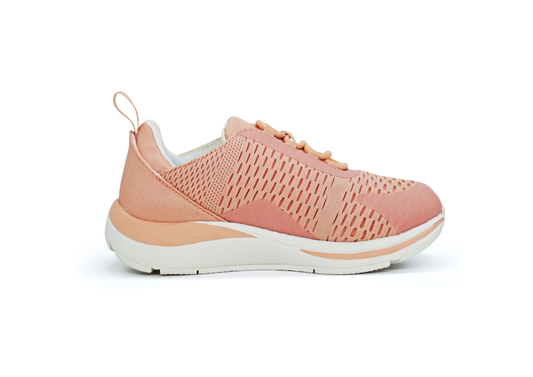
For many people, swelling shows up first as “shoe problems”: straps that suddenly feel tight, heels that rub, or shoes that fit in the morning but not by evening. Alongside medication, orthopedic footwear can reduce pressure points, improve stability, and make walking safer while you address the medical cause of fluid retention.
Clinical experience shows that simply propping your legs up on a pillow cannot always empty an overloaded system. Your body frequently needs a pharmacological “reset button” to manage the internal plumbing imbalance. Prescribing targeted medication for edema in legs gently tells your kidneys to safely open the drainage valves and release the pressure.
The ‘Sponge’ Effect: Why Your Body Traps Fluid
Gravity forces your veins to work like pipes pumping blood uphill. When these pipes become leaky, fluid escapes into the surrounding tissues, soaking them like a heavy sponge. This heavy feeling relies on a simple rule: water always follows salt. Carrying this extra water weight can also change your gait. When your ankles and feet are swollen, your joints move less freely, increasing the risk of blisters. This is why edema care often includes both medical treatment and supportive orthopedic shoes.
Loop Diuretics: The High-Power ‘Drain Openers’
When your legs trap stubborn fluid, your doctor might prescribe a loop diuretic. Often considered the best medicine for edema, these heavy-duty “drain openers” are crucial for severe swelling.
Furosemide vs. Torsemide for Pedal Edema
| Medication | Onset Time | Duration | Absorption Reliability |
| Furosemide | ~1 Hour | ~6 Hours | Variable |
| Torsemide | ~1 Hour | ~12 Hours | High/Consistent |
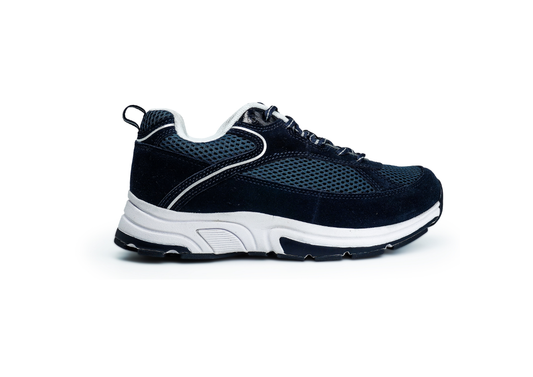
Because of the frequent bathroom trips associated with these meds, doctors recommend morning doses. To stay comfortable as your foot size changes throughout the day, mens orthopedic walking shoes with adjustable features are highly recommended.
The Balancing Act: Potassium-Sparing Meds
As your kidneys work overtime to flush out extra water, they can also sweep away vital minerals like potassium. To prevent this, doctors often prescribe specialized “add-on” medications like spironolactone. These act as a smart filter, releasing fluid while locking essential potassium safely inside your body.
Warning Signs: Watch for unexpected leg cramps or a fluttering heartbeat, which may indicate an electrolyte imbalance.
Beyond Water Pills: Treating Vein Health
If the one-way valves inside your veins weaken, fluid pools in your tissue—a condition called venous insufficiency. Doctors may suggest “vasoprotectors” to support vein tone. Stable womens orthopedic shoes help your calf muscles work more efficiently as a "pump" to assist blood flow back to the heart.
Q&A: Medication, Footwear, and Daily Management
1) What are the most common drugs for edema in the legs? Doctors most often use diuretics (“water pills”), such as loop diuretics and thiazides, sometimes paired with potassium-sparing medications. The best choice depends on whether the cause is heart, kidney, or venous related.
2) Can orthopedic footwear reduce swelling by itself? Orthopedic shoes do not remove fluid, but they reduce pain and instability while you treat the underlying cause. They are essential when swelling changes your shoe fit throughout the day.
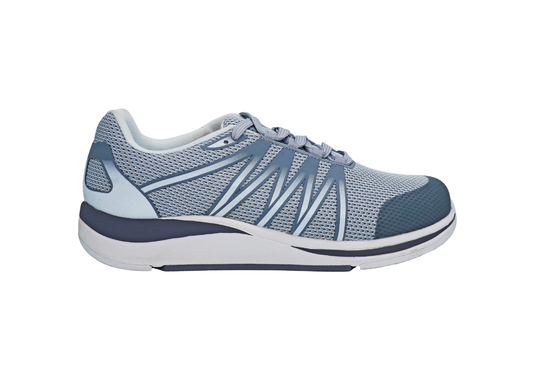
3) What shoe features are best for swollen feet? Look for extra depth, a wide toe box, and adjustable closures (like Velcro straps). Orthopedic shoes for women and men provide these features to prevent skin breakdown.
4) Should I buy shoes in a larger size if my feet swell? Not necessarily. Oversizing can cause slipping and falls. Instead, choose adjustable footwear in the correct length with added depth to accommodate volume changes.
5) Can I use compression stockings and orthopedic shoes together? Yes, provided the shoe has enough depth. Try footwear on while wearing your stockings to ensure a proper fit.
6) When should swelling become a medical emergency? Seek urgent care for sudden one-sided swelling, chest pain, breathlessness, or if the leg becomes red and warm to the touch.
By pairing the right pharmacological management with adjustable orthopedic footwear, you can safely navigate recovery and enjoy lighter steps.
