
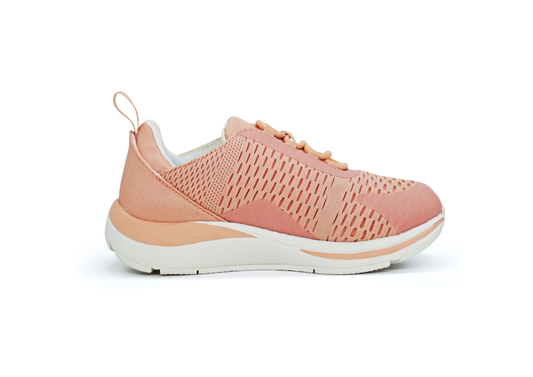
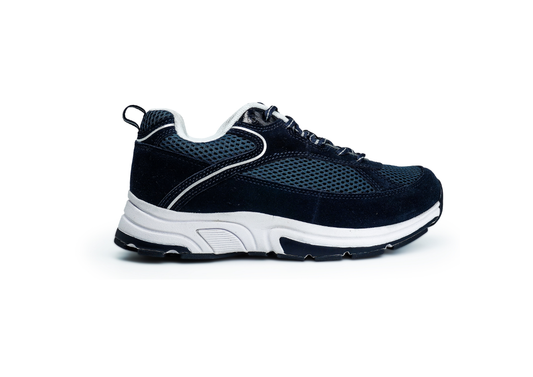

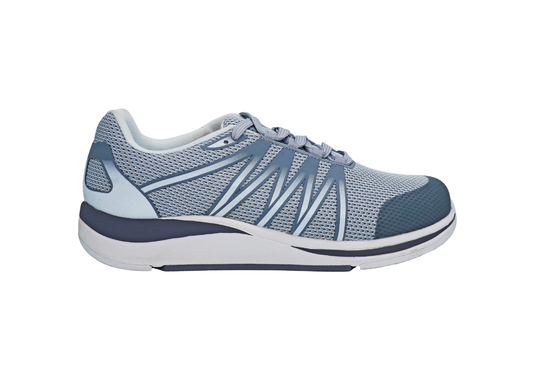

Top Shoes for Back Pain Relief: Best Picks
Best Shoes to Alleviate Back Pain

You spent an hour standing at the kitchen counter, and now your lower back aches. Before grabbing ibuprofen, check what is on your feet.
Many assume the best shoes for back pain are soft pillows. According to biomechanics experts, walking on marshmallows actually worsens strain. If flimsy flats cause your feet to tilt, your spine twists. This domino effect—the kinetic chain—means unsupported feet misalign your hips and physically pull your lower back out of place.
Stopping this requires ergonomic footwear for lumbar support. Finding proper shoes for back pain relies on three simple pillars you can test yourself: firm support, strategic cushioning, and precise fit.
The Domino Effect: How Your Foot Arch Controls Your Lower Back Pressure
Think of your feet as the foundation of a house. When the arch flattens, your foot rolls inward toward the ground—a movement called overpronation. If you wonder can flat feet cause chronic back aches, this collapse is exactly where the trouble begins.
The domino effect happens quickly once that foundation slants. Your knee twists inward, forcing your hips to drop forward into a "pelvic tilt." Your lower back must then arch uncomfortably just to keep you upright. This demonstrates the severe impact of overpronation on hip and back health and explains how arch support affects spine alignment.
Checking your own foundation is easy. Step out of the shower onto a piece of heavy paper; if your wet footprint shows no dry curve in the middle, your arches are collapsing. You can also inspect the bottom of an old, worn shoe to verify:
-
Heavy inside edge wear: Points to overpronation (collapsing arches).
-
Heavy outside edge wear: Points to underpronation (stiff arches).
-
Even wear across the heel: Indicates healthy, neutral alignment.
Fixing this tilt is the crucial first step to pain-free standing. After leveling your foundation, you still need materials to cushion the daily impact and protect those joints.
Shock Absorbers for Sciatica: Comparing Memory Foam and Gel Insoles

Most think walking on pillows cures nerve pain, but "mushy" shoes actually force your back to work harder. When comparing memory foam vs gel insoles for spinal comfort, their specific jobs matter. Memory foam relieves sharp pressure points while standing, whereas gel provides bouncy impact absorption to protect your joints while moving.
Finding shock absorbing sneakers for sciatica relief requires balancing that initial softness with a solid foundation. If the middle of the shoe (the midsole) is too flexible, your foot twists unsteadily, sending shooting pain straight up your spine. Check this by testing midsole flexibility for spinal stability right in the store. Simply try to wring the shoe out like a wet towel; it should easily bend at the toes but remain completely stiff in the middle.
This structured resistance stops your back muscles from constantly micro-adjusting just to keep you balanced. Once you secure this perfect mix of soft cushion and middle firmness, the final piece is locking the back of the foot securely to complete that alignment.
The Architecture of Support: Heel Counters and Drop Heights for Herniated Discs
Locking your foot in place begins at the back. When choosing walking shoes for herniated disc issues, you must find the correct heel-to-toe drop for lower back pressure. This drop is the cushioning height difference between the heel and toes. A 10mm to 12mm drop acts like a tiny wedge, reducing pulling tension on your Achilles tendon and stopping the Domino Effect of strain from reaching your spine.
Right above that wedge sits the heel counter—the rigid cup wrapping your heel. You need a firm heel counter for gait improvement to prevent your ankle from wobbling sideways. Test this by simply pinching the back of the shoe. If it collapses easily, skip it; if it stays stiff, your foundation remains secure.
Your daily routine also dictates the overall sole shape. Here is a quick feature guide for evaluating orthopedic footwear for degenerative disc disease:
-
Neutral Cushions: Flat and stable. Ideal for standing at the sink or slow-paced errands.
-
Rocker Bottom Soles: Curved like a rocking chair. Best for active walking because they naturally roll your foot forward, reducing harsh spinal bending.
Combining these structural details creates a protective shield for your back. The final step is verifying these features physically before spending money.
The 3-Step In-Store Test: How to Shop Like a Podiatrist Without the Degree

Staring at a shoe wall feels overwhelming, but your hands can easily cut through the marketing fluff. Look for podiatrist recommended footwear features like motion control—stopping your foot from rolling inward. Even if the tag promises slip-resistant soles with motion control, verify it yourself:
-
The Twist Test: Twist the toe and heel in opposite directions.
-
The Heel Squeeze: Pinch the back to ensure it stays firm.
-
The Rule of Thumb: Leave a thumb-width of space at the toes.
Twisting the shoe checks its torsional rigidity, meaning it shouldn't wring out like a wet rag. This firm center prevents the Domino Effect, stopping ankle wobbles from straining your spine. Meanwhile, the Rule of Thumb prevents toe crowding, which otherwise destroys your standing balance.
Passing these checks guarantees a solid foundation. It also creates the ideal base for custom orthotics and proper spinal posture correction.
Your Action Plan for Pain-Free Movement: Breaking in and Rotating Your Gear
You no longer have to guess in the shoe aisle. To maximize the best shoes for lower back pain, ease into them using a two-week break-in period. Try a daily shoe rotation to prevent muscle fatigue, and strictly follow the 500-mile rule to replace worn foam before aches return.
Finding good shoes for back pain fundamentally changes how you move. Soon, you will notice increased standing stamina throughout your busy day. It just makes sense: when your foundation is solid and properly aligned, your back naturally follows suit, reducing that stubborn daily pain.
Q&A: Shoes for Back Pain
What features matter most when choosing shoes for back pain?
Prioritize a stable midsole (firm through the middle), consistent arch support, a secure heel counter, and cushioning that absorbs impact without feeling unstable. In practice, the best shoes for back pain feel supportive rather than “soft” in every direction.
Are the best shoes for back pain always “orthopedic” shoes?
Not necessarily. “Orthopedic” is a broad label and not a guarantee of fit or stability. Many running or walking models can be good shoes for back pain if they pass the twist test, hold the heel firmly, and match your foot type.
What are the best shoes for lower back pain if I stand all day?
Look for a stable, moderately cushioned platform with reliable arch support and a firm heel counter. For long standing, overly soft soles often increase fatigue; stability tends to be the deciding factor for the best shoes for lower back pain.
Can insoles fix back pain on their own?
Insoles can reduce strain by improving foot alignment and cushioning, but they are not a universal fix. They work best when the base shoe is stable; putting a supportive insole inside a highly flexible shoe often delivers limited benefit.
Is a higher heel-to-toe drop better for back pain?
A moderate drop can reduce tension through the Achilles–calf complex and may feel more comfortable for some people, but “more” is not automatically “better.” If you have persistent pain, consider trying a few drop heights and noting how your lower back responds over several days.
How do I know if my shoes are causing back pain?
Common clues include uneven outsole wear, heel wobble, a midsole that twists easily, and symptoms that worsen after long standing or walking in the same pair. If your discomfort improves with a more stable pair, footwear is likely a meaningful contributor.
When should I see a clinician instead of changing shoes?
If pain is severe, persistent, radiating, or associated with numbness/weakness, seek medical advice. Footwear can be an important variable, but it should not replace evaluation for conditions such as nerve compression or inflammatory causes.
