


Top Plantar Stretching Exercises for Fast Relief
Top Plantar Stretching Exercises for Fast Relief
If your first few steps out of bed feel like walking on thumbtacks, your body is sending a loud message. That sharp ache often involves your plantar fascia—the thick band of tissue running across the bottom of your foot. Like a bowstring holding your arch together, this tissue can tighten and shorten while you sleep.
Stretching helps, but so does what you put on your feet the rest of the day. From an orthopaedic footwear perspective, your goal is twofold:
-
Reduce strain on the fascia with targeted plantar stretching exercises.
-
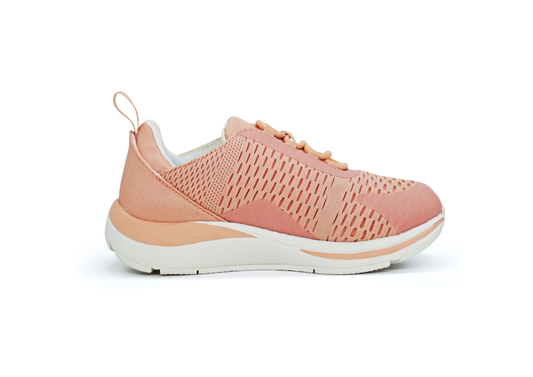
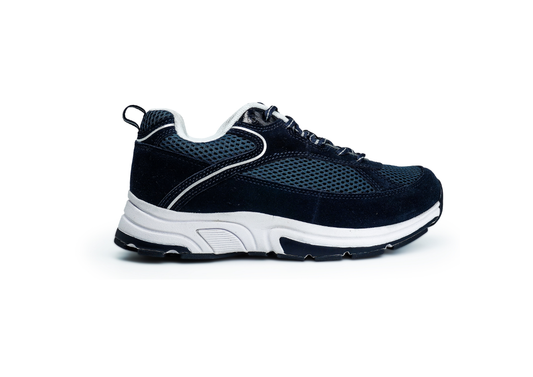
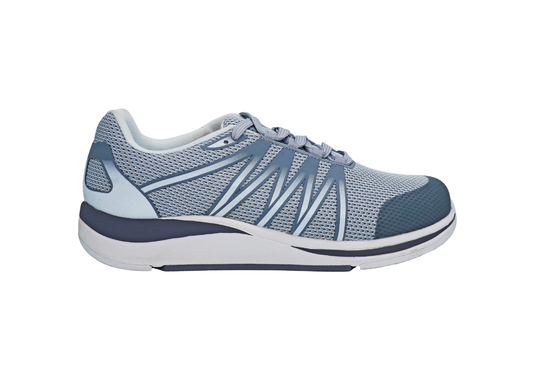
Support the arch and heel with stable, well-cushioned orthopaedic footwear that matches your foot shape and daily load.
The Bowstring Connection: How Your Foot Arch Absorbs Stress
Picture the natural curve of your foot like an archery bow. The bones create the hard, curved frame, and your plantar fascia—the connective tissue underneath—is the string holding it together. Every time you take a step, this string stretches to absorb body weight before recoiling to help you move forward.
Problems begin when prolonged standing, hard floors, and unsupportive or worn-out shoes limit normal foot motion and increase peak pressure under the heel. Over time, the "bowstring" can become irritable and stiff, pulling at its heel attachment. Stretching the bottom of the foot gently reduces tension, while supportive shoes help prevent the same overload from returning with every step.
Bedside Relief: 3 Seated Stretches to Prep Your Feet
Waking up with sharp heel pain is a common sign that the fascia has tightened overnight. A key self-care strategy is pre-weight-bearing stretching—lengthening the tissue before you stand. Try these movements on the edge of your bed:
-
The Seated Toe Pull: Cross your foot over your opposite knee, gently grab your toes, and pull them back toward your shin until you feel tension along the arch.
-
The Towel Scrunch: Gather a towel using only your toes to activate intrinsic foot muscles that help support the arch.
-
The Cross-Legged Arch Rub: Keep your toes pulled back while using your thumb to massage the arch and heel band for a warm-up effect.
Consistent performance of these stretches, paired with high-quality footwear, can be highly effective for long-term relief.
Winning the Tug-of-War: Why Stretching Your Calves Saves Your Heels
Heel pain doesn't always start in the foot. When calf muscles are tight, they pull on the Achilles tendon, altering how your heel and arch load during walking. This is why many PT plans prioritize calf flexibility.
The Wall Lean: Stand facing a wall, step one leg back, keep the back knee straight, and press the heel down. Lean your hips forward until you feel a steady stretch in the calf.
In clinic, physiotherapy for heel pain often pairs stretching with smart footwear choices—specifically shoes with a stable heel counter and targeted cushioning found at orthoshoes.in.
Deep Stretching & Recovery Tools
When symptoms linger, adding simple tools can strengthen your recovery routine:
-
The Frozen Water Bottle Roll: Freeze a plastic bottle and roll your foot over it while seated to combine mobilization with cold therapy.
-
The Tennis Ball Trigger Point: Place the ball under your arch, apply light pressure, and roll slowly to target tight areas.
-
The Staircase Heel Drop: Stand with the front of your feet on a step, hold a rail, and lower your heels below the edge for a deeper release.
Footwear Matters: What to Look for in Orthopaedic Shoes
Exercises help the tissue adapt; footwear helps control the forces that irritate it. If you're dealing with plantar fasciitis, look for these features in your next pair from orthoshoes.in:
| Feature | Benefit |
| Structured Arch Support | Reduces strain on the fascia during the gait cycle. |
| Heel Cushioning | Absorbs impact during heel strike. |
| Firm Heel Counter | Provides stability to prevent overpronation. |
| Roomy Toe Box | Allows natural toe splay and reduces arch compensation. |
Building Your 5-Minute Foot Ritual
Progress comes from consistency. Use this short routine to stay pain-free:
-
Morning (1 min): Bedside toe pull + arch rub before standing.
-
Mid-day (1 min): Under-desk bottle/ball roll.
-
Evening (2 min): Wall lean + gentle heel drop.
Pair this with supportive footwear during the day and avoid prolonged barefoot time on hard floors to reduce repeated flare-ups.
Q&A: Plantar Fasciitis and Footwear
How often should I do these exercises?
Daily practice works best. Start morning and evening, and adjust based on how your feet feel the next day.
What kind of shoes are best for plantar fasciitis?
Generally, you want stable shoes with a contoured footbed and a slight heel elevation. You can find specialized options for various activities at orthoshoes.in.
Should stretches hurt?
No. You should feel "strong tension," not sharp or stabbing pain. If it hurts, back off the intensity.
